

Laying a Strong Academic Foundation for Your Career
Golden Hook & Introduction
SECTION
Nova: Forget the all-nighters, the endless highlighting, the stressed-out cram sessions. The path to academic mastery and a thriving career isn't found in brute force. It's found in a surprisingly simple, yet profoundly effective, shift in how you about learning.
Atlas: That sounds almost too good to be true, Nova. Less studying, better results? How does that even work when every student I know feels like they're constantly drowning in material?
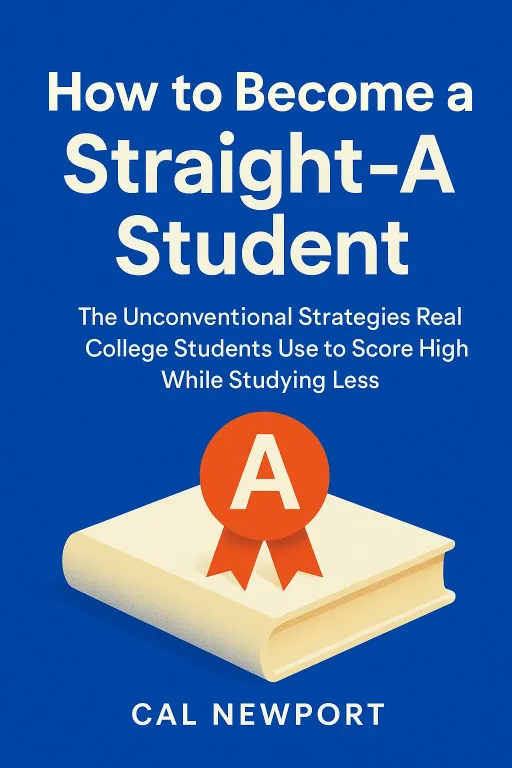
Nova: Well, that's precisely the myth we're tackling today, Atlas. We're diving into two incredibly insightful books that challenge conventional wisdom. First, Cal Newport's, which is a fascinating read from a computer science professor known for his evidence-based approaches to productivity and deep work. Newport really pushes back against the idea that more effort automatically equals better results.
Atlas: I can see how that would resonate with our listeners who are always looking to build lasting habits and sustain focus. The idea of "less stress" while achieving more is pretty compelling.
Nova: Absolutely. And then we pair that with Ken Bain’s. Bain's work is particularly unique because he didn't just theorize; he conducted extensive qualitative research, interviewing top students to uncover the and that truly set them apart, rather than just listing study techniques. It really shifts the focus from you do to you think about learning.
Atlas: So, we're talking about a double dose of intentionality here. One for the strategic habits, and one for the deep learning mindset.
Nova: Precisely. It’s about transforming academic effort from a grades-focused chore into a powerful engine for genuine mastery and long-term career success.
Strategic Learning Habits for Academic Mastery
SECTION
Nova: So let's start with Newport’s insights. His "no-stress" approach isn't about slacking off; it's about working. He debunks the idea that you need to spend hours passively re-reading notes or highlighting everything in sight. Instead, he champions techniques like and.
Atlas: Okay, but hold on. Active recall sounds like more work, not less. How does that reduce stress when you're already swamped with deadlines and trying to sustain focus? It feels like another thing to add to the mental load.
Nova: That's the common misconception, Atlas. Active recall is about, not duration. Think of it like this: when you read a chapter and then immediately try to summarize it from memory without looking at the book, you're forcing your brain to retrieve that information. It's like a mental retrieval workout. This process strengthens the neural pathways far more effectively than simply re-reading, which often creates an illusion of knowledge.
Atlas: So basically, instead of just passively absorbing, you're forcing your brain to the information, like a mini-quiz?
Nova: Exactly! It’s like building muscle memory for your brain. The effort of retrieving makes the memory stick. It feels harder in the moment, but you retain more, which means you need review sessions overall. Imagine reading a paragraph, then closing the book and trying to explain the core concept aloud to an imaginary audience or even just to yourself. That's active recall in action. It’s about being an active participant in your learning, not just a spectator.
Atlas: I like that. For someone trying to build lasting habits, where do they even start with active recall? What's the tiny step for someone who just wants to dedicate those 10 minutes daily, as we always talk about?
Nova: The tiny step is simple: after reading section of a textbook or listening to a lecture, pause. Close your notes or the book. And then, either write down everything you remember, or verbally explain the main points. Even for just five minutes. That brief, intentional effort makes a world of difference. It's about being present and engaged.
Nova: And this ties into. Instead of just transcribing lectures, Newport advocates for methods like the Cornell Note-Taking System, or simply summarizing key ideas in your own words, asking questions about the material, and identifying main points during the lecture itself. This isn't just about recording; it's about processing the information you receive it.
Atlas: Structured note-taking for studying? I imagine a lot of our listeners, especially the 'doers' out there, might see that as just another thing to schedule or another system to learn. How does it make studying stressful if you're adding structure?
Nova: It makes it less stressful because it prevents the dreaded "cramming crisis." When your notes are already organized, summarized, and include your own questions, you’re not starting from scratch when exam time comes. You’ve already done the heavy lifting of understanding and processing. It reduces the cognitive load later. And this leads us to Newport’s third pillar:. This is about scheduling specific blocks of time for specific tasks, including studying, and sticking to them. It creates boundaries, reduces decision fatigue, and minimizes the anxiety of feeling like you be studying all the time.
Atlas: So, it’s about creating an intentional container for your focus, rather than letting it bleed into every other part of your life. That makes sense for managing time effectively.
Cultivating a Deep Learning Mindset for Career Relevance
SECTION
Nova: And that strategic approach to you learn leads us perfectly to you learn, which Ken Bain explores so beautifully in. Bain really shifts the paradigm, moving beyond just techniques to the underlying mindset. His book, which received significant academic praise for its unique insights, shows that top students aren't just memorizing facts; they’re developing a and.
Atlas: That makes me wonder, isn't focusing on grades counter-intuitive for someone who's trying to build a strong foundation for their future career? Grades still open doors, right?
Nova: They do, Atlas, but Bain argues that the students aren't primarily motivated by grades. Grades become a of their genuine desire to master the material. They approach learning with an intrinsic curiosity, asking "why does this matter?" and "how does this connect to something else I know?" They see the bigger picture. For example, a history student might not just learn dates and names, but actively seek to understand how a political movement influenced economic policies that echo today. Or an engineering student might grapple with the ethical implications of their designs, connecting their technical skills to broader societal impacts.
Atlas: How does 'making connections across disciplines' actually translate into a competitive edge in a high-stakes career environment? Like, how does a deep understanding of, say, philosophy help a software engineer?
Nova: That's an excellent question, and it's where the long-term career benefits truly shine. A software engineer who understands philosophy might be better at identifying and solving complex, unstructured problems, not just coding. They might design more ethical AI, or build products that truly understand human behavior. This ability to connect seemingly disparate ideas fosters adaptability, critical thinking, and innovative problem-solving – skills that are far more valuable and enduring in any career than rote knowledge of a specific programming language, which can become obsolete.
Atlas: I see. So it's about shifting from a transactional view of education—'I put in X effort, I get Y grade'—to an investment mindset: 'I invest in genuine understanding, and that pays dividends in my future capabilities'?
Nova: Exactly! Bain found that these students cultivate a "learning mindset." They embrace challenges, view mistakes as opportunities for growth, and are driven by a hunger for intellectual development. They're not just trying to clear the next hurdle; they're building a robust mental framework that will serve them throughout their entire lives and careers. They are, in essence, becoming strategic builders of their own knowledge.
Atlas: That’s such a hopeful way to look at it. It’s about building a foundation of true competence.
Synthesis & Takeaways
SECTION
Nova: Ultimately, both Newport and Bain underscore the profound importance of. It's not about passively absorbing information or just ticking boxes for grades. It's about critically engaging with the material, actively constructing your understanding, and constantly asking how it applies to real-world problems and your long-term goals.
Atlas: That’s actually really inspiring. Because for someone driven by growth and wanting to envision a successful future, this isn't just about passing exams; it's about the kind of person who can tackle complex problems in their career and truly master their domain. It’s about building that lasting habit of deep engagement.
Nova: Precisely. And if you're looking for that tiny step to start this journey, we have one directly from our discussion: for your next assignment, instead of just reading, try explaining the core concepts aloud to an imaginary audience or a friend. This integrates both active recall and deeper understanding, bridging the gap between Newport's strategies and Bain's mindset.
Atlas: That’s a perfect example of a tiny step for a pragmatic learner. It hits both books' insights. It’s like a micro-habit for mastery that directly impacts your potential.
Nova: And that leads us to our deep question for you, our listener: How can you shift your academic approach from merely getting good grades to genuinely mastering the material in a way that directly contributes to your long-term career goals?
Atlas: And that's the question that really gets to the heart of building a strong foundation, isn't it? It's about intentionality, not just effort.
Nova: This is Aibrary. Congratulations on your growth!