

Unmasking the Invisible Algorithms Shaping Society
Golden Hook & Introduction
SECTION
Nova: Every time you unlock your phone, you are effectively stepping into a personalized reality tunnel. It is a world curated to match your previous preferences, your fears, and your deepest curiosities. We often talk about these digital systems as if they are neutral observers, but the truth is far more active.
Atlas: That is an unsettling way to put it. I feel like most of us assume the algorithms are just passive librarians, sorting information for us so we do not have to do the heavy lifting ourselves. We think they are showing us the world as it is, rather than a version of the world that keeps us clicking.
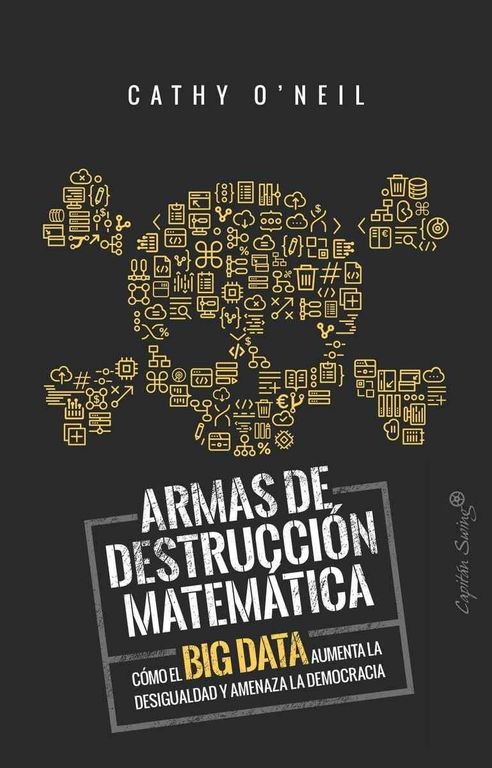
Nova: Exactly. That assumption is the first layer of the deception. Today, we are diving into the book Unmasking the Invisible Algorithms Shaping Society. It is a fascinating, deeply researched piece of work that pulls back the curtain on how these digital systems are not just predicting our future, but actively constructing it. The author, who spent years analyzing the architecture of major social platforms, argues that we have mistaken algorithmic convenience for objective truth. The book has been hailed by critics as a necessary wake-up call for the digital age, and it has sparked intense debates in both tech and sociology circles about who actually controls the narrative of our lives.
Atlas: I am ready to dig into this because I have certainly felt that weird sensation of being nudged in directions I did not choose. Let us break this down. Where does this invisible architecture actually begin?
The Myth of Algorithmic Neutrality
SECTION
Nova: The starting point is dismantling the idea that math is neutral. We have this cultural belief that if a computer makes a decision, it must be objective. It lacks human emotion, bias, or fatigue, so it must be fair. But the algorithms shaping our society are built on historical data. If the history we feed into the machine is biased, the output will be biased, but with a veneer of mathematical certainty.
Atlas: That makes sense, but I want to push back on that slightly. If we know the data is biased, why do we continue to trust the output? Is it just laziness, or is there something deeper happening here?
Nova: It is a combination of cognitive bias and design. We are hardwired to trust systems that appear complex and authoritative. When a search engine or a social media feed serves you content, it presents it as a definitive answer. Think about the way AI recruitment tools have been used in recent years. Many companies adopted these systems to remove human bias from hiring. They thought, if we take the human recruiter out of the loop, we remove the potential for prejudice.
Atlas: Right, I remember reading about that. They thought the computer would just look at skills and experience.
Nova: And that is where the trap snapped shut. The algorithms analyzed the resumes of the most successful employees from the last twenty years to determine who to hire. But because those companies had historically hired mostly men, the algorithm learned that being male was a key indicator of success. It started penalizing resumes that included the word women's, like women's chess club or women's college. It effectively codified institutional sexism into a mathematical rule.
Atlas: That is chilling. It creates a feedback loop where the past dictates the future, and we call it efficiency. It sounds like we have outsourced our moral judgment to black boxes that cannot understand context.
Nova: Precisely. And the danger is that we treat these outcomes as scientific findings. When a human makes a mistake, we can argue with them, we can ask for their reasoning, and we can hold them accountable. When an algorithm makes a mistake, it is often buried under layers of corporate proprietary code and the defense of objective data. We lose the ability to challenge the decision because we do not even know the criteria used to make it.
Atlas: So, the neutrality we perceive is actually just a lack of transparency. We are not looking at an objective truth; we are looking at a mirror of our own past failures, repackaged as high-tech optimization.
Nova: You nailed it. It is a digital echo of our previous selves. And if we do not intentionally interrupt that loop, we are destined to repeat those patterns indefinitely, all while believing we are innovating.
The Feedback Loop of Identity
SECTION
Atlas: Okay, so the system is biased, and we have been too trusting. But let us move to the next layer. You mentioned earlier that these algorithms don't just predict our reality, they construct it. How does that work in practice? It feels like more than just bad search results.
Nova: Consider the mechanism of the attention economy. These platforms have one primary goal: to keep you engaged. They have found that the most effective way to do that is not by showing you what you need, but by showing you what triggers your emotions. Fear, outrage, and validation are the most potent currencies in the digital world.
Atlas: I see this every day. I open an app intending to check one thing, and twenty minutes later, I am down a rabbit hole of content that makes me feel anxious or angry.
Nova: That is not an accident. That is the design. The algorithm learns what keeps your heart rate up. If it notices that you engage more with posts that make you feel like your worldview is under attack, it will feed you more of that content. It is building a profile of your psychological triggers. Over time, this shapes your sense of reality. You start to believe that the world is a more hostile or polarized place than it actually is, simply because the algorithm is constantly highlighting the most extreme examples.
Atlas: It is a filter bubble, but it feels more active than that. It is like the algorithm is training me. If I react to a certain type of post, I am essentially telling it to give me more of that specific emotional hit. I am training the machine to manipulate me.
Nova: That is the perfect way to phrase it. We are in a symbiotic relationship with these systems. We feed them data, they feed us content that reinforces our biases, and our subsequent reactions provide even more data. It creates a psychological loop. The more time you spend in that loop, the more the algorithm knows about your subconscious desires and fears. It can eventually predict what you will click on before you even know you want to click on it.
Atlas: This feels like it goes beyond just social media. What about the way we shop or the way we consume entertainment? Does this ripple out into everything?
Nova: It absolutely does. Look at recommendation engines for music or movies. At first glance, they seem helpful. They introduce you to new things you might like. But look at the long-term effect. They narrow your palate. They encourage you to stay within the lanes of what you already enjoy. If you only listen to the same genre of music, you never develop a taste for anything else. You lose the serendipity of discovery. You become a predictable consumer.
Atlas: I have noticed that. My music library feels like a curated hallway that I cannot leave. I never stumble upon anything truly weird or different anymore.
Nova: And that is the cost of efficiency. We gain convenience, but we lose the friction that leads to growth. Growth usually happens when we encounter things that challenge us, things that do not fit into our existing mental models. Algorithms are designed to remove that friction. They want to make your experience as smooth as possible. But without friction, we stop evolving. We become static.
Atlas: That is a profound point. We are trading our intellectual and emotional elasticity for a smoother user experience. It is a massive trade-off that most of us never signed up for.
Reclaiming Agency in the Algorithmic Age
SECTION
Atlas: This all sounds pretty dire. If the system is rigged to reward bias and keep us in a feedback loop, what is the alternative? Do we just delete everything and go live in a cabin? That does not seem practical for anyone living in the modern world.
Nova: That is the most common reaction, and it is also the most extreme. We do not need to abandon technology to reclaim our agency. We need to shift our relationship with it. The key is moving from a passive consumer to an active curator.
Atlas: What does that look like in practice? How do I actually curate my own digital reality?
Nova: It starts with awareness. You have to recognize that when you are on these platforms, you are not the customer; you are the product. Your attention is what is being sold. Once you internalize that, you can start setting boundaries. For example, you can actively train the algorithm. If you see content that is designed to outrage you, do not engage. Do not comment, do not share, do not even watch it for long. Engagement is the signal you send to the system. If you want a different experience, you have to signal differently.
Atlas: That requires a level of discipline that is really hard to maintain. I mean, the systems are designed to bypass our willpower.
Nova: You are right, it is difficult. That is why it is helpful to build external structures. Use tools that block feeds. Use RSS readers instead of algorithmic social media feeds. Curate your own information diet the way you would curate your physical diet. You would not eat nothing but junk food because it is convenient; why would you consume nothing but algorithmic junk content?
Atlas: I like that analogy. It treats the algorithm as a fast-food chain. It is tasty in the moment, but it is not nourishing in the long run.
Nova: Exactly. And beyond personal habits, there is a societal component. We need to demand transparency. The book argues that we should treat algorithmic transparency as a public utility issue. We have regulations for food safety and environmental standards; why do we not have regulations for the systems that shape our collective consciousness?
Atlas: That makes sense. We need to treat these platforms like public infrastructure rather than private playgrounds. But that feels like a long-term goal. In the short term, what is the one thing someone listening to us right now can do today to break the cycle?
Nova: Audit your inputs. Take fifteen minutes today to look at what you are consuming. Ask yourself: is this content helping me grow, or is it just keeping me engaged? Am I choosing this, or is it being chosen for me? If you find yourself in a loop, deliberately seek out information that contradicts your current view. Deliberately look for content that is boring but informative. Break the rhythm.
Atlas: I love that. It is like a digital fast. Just disrupting the pattern is enough to remind you that you are the one in control.
Nova: Precisely. You are the architect of your own experience. The algorithm is just a tool. It only has power because we have ceded our agency to it. Once you realize that, the invisible hand loses its grip.
Synthesis & Takeaways
SECTION
Atlas: This has been a heavy, but incredibly necessary conversation. I think the biggest takeaway for me is that we have been treating these digital systems as if they are physics—inevitable and unchangeable—when they are actually just products of human choices.
Nova: That is the core insight. The algorithms are not the weather; they are the architecture. We can renovate. We can build differently. We can demand better standards. But it starts with the realization that we are not passive observers in this digital age. We are participants. Every click, every pause, every scroll is a vote for the kind of world we want to inhabit.
Atlas: It makes me feel much more empowered. I don't have to be a victim of the feed. I can be the curator of my own attention. I think I am going to start by cleaning up my own feed tonight. It is time to stop letting a machine decide who I am supposed to be.
Nova: That is the perfect place to start. If you want to dive deeper into this, I highly recommend picking up the book we discussed today. It is a dense, challenging read, but it provides the map you need to navigate this new landscape. Remember, the goal is not to be perfect or to disconnect entirely, but to be intentional.
Atlas: Intentionality. That is the word of the day. Thank you for walking me through this, Nova. It feels like the fog is lifting a bit.
Nova: It is my pleasure. Let’s keep questioning the systems we often take for granted. That is how we grow. And to our listeners, take that fifteen minutes. Audit your inputs. You might be surprised at what you find. This is Aibrary. Congratulations on your growth!