

Mastering the Numbers Game: Advanced Valuation in Sports
Golden Hook & Introduction
SECTION
Nova: Atlas, I want you to tell me, in one word, what's the most valuable asset in sports?
Atlas: Oh, one word? Hmm. Talent. No, actually… the fans. No, wait, the stadium! This is harder than it sounds. Why are you putting me on the spot like this?
Nova: Because it's a trick question, kind of! Everyone has an instant answer, but real value in sports is so much more complex, and often, it's invisible to the naked eye. We're talking about advanced valuation today.
Atlas: Invisible value? That sounds like something out of a spy novel, not a finance textbook.
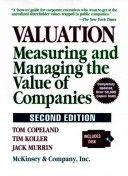
Nova: Exactly! Today, we're dissecting the art and science of "Mastering the Numbers Game: Advanced Valuation in Sports." It’s a deep dive inspired by the rigorous frameworks found in books like by McKinsey & Company, Inc. and Tim Koller, and by Paul Pignataro. What’s fascinating about Koller and the McKinsey team is their relentless pursuit of practical, real-world application for complex financial theories. They don’t just present models; they show you how to them, which is crucial when you’re talking about something as dynamic as sports.
Atlas: So we're talking about taking these super rigorous, almost academic financial models and trying to apply them to something as emotional and unpredictable as sports? That sounds like trying to catch lightning in a bottle with a spreadsheet.
Nova: Well, it's less about catching lightning and more about building a better lightning rod. We’re exploring how to adapt these powerful tools to truly see the economic worth of sports organizations, pushing beyond just the surface-level metrics. It’s about building a meaningful career where passion meets purpose, for anyone who wants to really understand the 'how' and 'why' behind success in sports finance.
The Limitations of Traditional Valuation in Sports
SECTION
Atlas: Okay, so let's start with the basics. If I'm trying to value, say, a tech company, I'm looking at things like revenue streams, profit margins, growth rates, maybe some intellectual property. Pretty straightforward, right? But when you talk about a sports team, what are the traditional models missing? What makes them fall short?
Nova: That’s a brilliant starting point. Traditional discounted cash flow, or DCF, models are phenomenal for stable businesses. They project future cash flows and discount them back to today. But a sports team isn't just a business; it's also a cultural institution, a source of civic pride, and an emotional investment for millions.
Atlas: Right, you can't just plug in ticket sales and TV deals and call it a day. There's so much more.
Nova: Exactly. Think about a local team. Their value isn't solely in their balance sheet. What about the community impact? The ripple effect of a championship season on local businesses, tourism, even municipal morale? How do you factor that into a DCF model? Pignataro's models are incredibly robust for forecasting, but even he'd tell you that the inputs for a sports franchise have layers of complexity that a typical widget manufacturer doesn’t.
Atlas: So, you're saying a traditional model might value a team based on its current revenue, but it completely misses the potential upside if they suddenly become a dynasty? Or the emotional goodwill that keeps fans coming back even through a losing season?
Nova: Precisely. Take, for example, a team that has a very strong youth academy. A traditional model might only see the immediate cost of that academy. But what about the pipeline of homegrown talent it creates, potentially saving millions in transfer fees or generating future sales? What about the loyalty it builds with local fans who see 'their' kids playing on the big stage? That's a real option, a strategic flexibility that's incredibly hard to quantify.
Atlas: That makes perfect sense. It's like valuing a house purely on its square footage, ignoring the neighborhood, the school district, or the emotional attachment of the family living there. But how do these valuation experts, like Koller and his team at McKinsey, suggest we tackle these 'invisible' assets? Do they have a secret formula for fan loyalty?
Nova: They highlight that real options analysis can be incredibly powerful here. It's about valuing the flexibility and strategic choices that a business has. For a sports team, that could be the option to expand the stadium if demand surges, or the option to develop a new revenue stream from esports. These aren't guaranteed cash flows, but they represent valuable potential.
Atlas: So it's not just about what the team doing, but what it do. That’s a much more dynamic way of looking at value. But still, how do you put a number on the emotional connection? That seems like the ultimate black box.
Nova: It’s not easy, and it’s where the 'art' of valuation truly comes in. It requires a blend of quantitative rigor and qualitative insight. You need to understand the market, the culture, and the psychology of the fan base. It's about finding proxies, indirect measures that reflect that deeper value.
Atlas: Proxies? Give me an example. What's a proxy for the unquantifiable roar of the crowd?
Quantifying Intangibles: Brand, Loyalty, and Community
SECTION
Nova: Think about brand value. For a normal company, brand equity might be measured by customer surveys, market share, or pricing power. For a sports team, it's all that, but amplified by emotion. A team like the New York Yankees, for instance, has a global brand that transcends their performance on any given year. People buy their merchandise, not just as fans, but as a statement.
Atlas: Oh, I see! So, the number of jerseys sold globally, the social media engagement, the willingness of sponsors to pay a premium to be associated with that team – those are all tangible reflections of an intangible brand value.
Nova: Exactly right! And fan loyalty is another massive one. How do you measure loyalty? It's not just season ticket sales. It's the renewal rates even after a bad season, the willingness to travel for away games, the online discussions, the merchandise purchased. You can even look at things like local economic impact studies tied to major sporting events or team successes. These start to paint a picture of the team's intrinsic value to a community, which then translates into long-term financial stability and growth potential.
Atlas: So, we're adapting the DCF model by being much more creative and expansive with our inputs. Instead of just revenue, we're looking at of revenue that are driven by these intangibles. And instead of just costs, we're looking at in things like community programs or youth development that build future value.
Nova: That’s the core idea. You might use advanced statistical modeling to correlate fan engagement metrics with future revenue projections. Or scenario analysis, where you model different outcomes based on team performance, brand perception, or even social trends. It’s about building a far more comprehensive financial model that captures the multi-faceted nature of a sports entity.
Atlas: It’s almost like you're trying to build a narrative around the numbers. You're not just presenting data; you're telling the story of the team's value, not just what it earns today, but what it to its stakeholders and what its potential is.
Nova: Precisely. And that's where the insights from books like Pignataro's on financial modeling become incredibly relevant. You're building robust, flexible models that can incorporate these nuanced data points. It's about asking the right deep questions, like "How would you adapt a traditional discounted cash flow model to account for the unique brand value and fan loyalty of a major sports team?" You answer that by layering in proxies and understanding the optionality.
Atlas: So, for someone who's analytical, who sees the game and understands the numbers, but also cares about the 'why' behind success, this is the sweet spot. It's not just crunching numbers; it's understanding the soul of the organization.
Nova: It absolutely is. It's about trusting your instincts that there's more to the story than what's on the surface. It’s about connecting your core passions—sports and finance—and preparing yourself for future influence by mastering these advanced insights.
Synthesis & Takeaways
SECTION
Atlas: So, what’s the ultimate takeaway for our listeners who are looking to truly master this numbers game in sports? It sounds like it’s not enough to be good at finance; you also need to be an anthropologist, a psychologist, and a storyteller.
Nova: It’s about becoming a financial visionary. You need to embrace the quantitative rigor of books like and, but then you have to overlay that with a deep understanding of the unique dynamics of sports. It's the ability to translate the passion, the loyalty, the cultural significance of a team into a language that traditional finance can understand.
Atlas: And that translation is what gives you the edge. It allows you to see true value where others just see a balance sheet. It allows you to make strategic decisions that truly reflect the comprehensive worth of a sports organization.
Nova: Exactly. It's about moving beyond surface-level metrics to truly dissect and understand the economic worth. It's a blend of art and science, where your sharp, analytical mind meets your passion for the game. That’s how you build a meaningful career in sports finance, by seeing the game in its entirety.
Atlas: That's a powerful thought. It's not just about the money, it's about understanding the entire ecosystem of value. This is Aibrary. Congratulations on your growth!