

From Blueprint to Reality: Mastering Practical Building Skills
Golden Hook & Introduction
SECTION
Nova: Alright, Atlas, if you had to sum up the essence of mastering practical building skills in five words, what would they be?
Atlas: Oh, that's a fun challenge! For me? "Avoid costly mistakes, build confidence."
Nova: Ooh, solid. I like that. Mine would be: "Build with brains, not just brawn."
Atlas: And honestly, that's the perfect setup for today's deep dive. Because for anyone who's ever tried to tackle a home improvement project, or even just fix something around the house, the cold, hard truth is: guessing leads to costly mistakes and frustration.
Nova: Absolutely. And that's exactly why we're shining a spotlight on the power of solid foundational knowledge today. We’re talking about bridging the gap from just dreaming about a project to actually making it a tangible reality.
Atlas: Right, because for our listeners who are driven by that desire for self-reliance and achieving real results, you can’t just wing it when it comes to building. You need a blueprint for the blueprint, if you will.
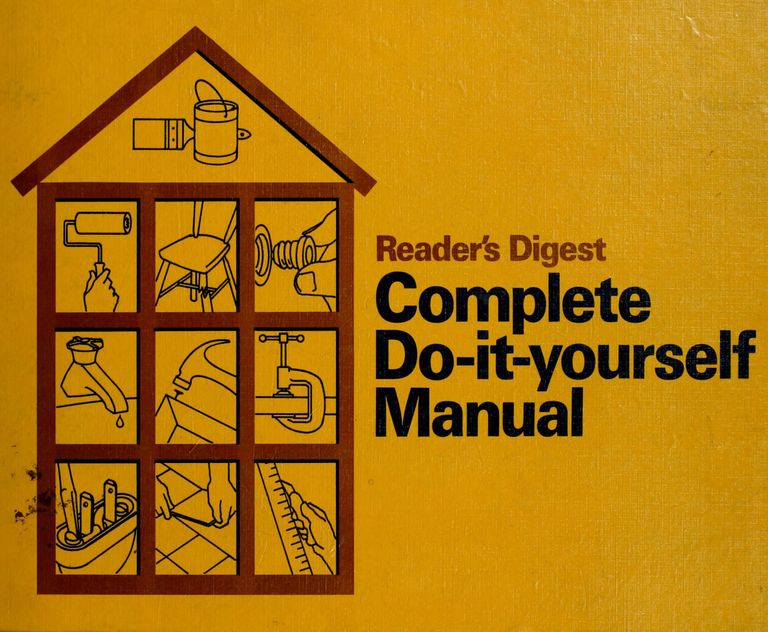
Nova: Precisely. And we’re going to look at two powerful resources that demystify these complex building processes, giving you the confidence to execute your projects effectively. We’re talking about "The Complete Do-it-Yourself Manual" by Reader's Digest, and the "Ultimate Guide to Home Wiring" by Creative Homeowner.
Atlas: Those titles sound like they promise a lot, but how do these manuals actually transform something that feels so complex into something genuinely achievable for someone who might feel like they have two left thumbs?
Nova: Well, that's the beauty of them. They’re not just theoretical texts; they are hands-on, step-by-step guides. They're designed to be your steadfast companion through everything from a simple repair to a more ambitious renovation, empowering you to trust your own hands and your own judgment. It’s about cultivating that 'Master Builder' mindset.
The Universal Language of Building: Mastering Foundational DIY Skills
SECTION
Nova: So, let's start with the broader strokes, the universal language of building, which is where a resource like "The Complete Do-it-Yourself Manual" truly shines. Imagine for a moment you’ve decided to build a simple garden shed. It sounds straightforward, right? But then you start thinking: framing, foundation, roofing, siding, a door, a window… where do you even begin?
Atlas: Oh man, I know that feeling. That initial burst of enthusiasm quickly turns into a deer-in-headlights moment. You go to the hardware store and suddenly you’re staring at a thousand different types of screws and lumber, and you have no idea which end is up.
Nova: Exactly! And this is where the "cold fact" comes in: guessing leads to costly mistakes. I once had a friend who wanted to build a simple backyard deck. He had the best intentions, watched a couple of online videos, and just dove in. Two months later, the deck was visibly wobbly, the railings were uneven, and he had spent twice his budget on materials because of constant re-dos and buying the wrong things.
Atlas: That sounds rough, but honestly, I imagine a lot of our listeners can relate to that scenario. Okay, but sometimes those comprehensive 'manuals' can feel overwhelming, like trying to drink from a firehose. How does this particular manual actually make it for someone who's never even held a level before?
Nova: That's a great question, and it speaks to the genius of its design. It’s structured to build knowledge incrementally. It doesn’t just show you "how to hammer a nail"; it explains you choose a certain type of nail for a specific wood, to properly swing a hammer for maximum efficiency and safety, and then to use a nail versus a screw. It covers everything from basic electrical work to laying concrete, providing clear illustrations and step-by-step instructions that hold your hand through each sub-task.
Atlas: So, it’s not just about learning individual techniques, but understanding the, the, and the behind each step, ensuring a sturdy, safe outcome. I imagine for someone driven by self-reliance, having that comprehensive guide feels like a superpower. It avoids those frustrating, confidence-crushing trips back to the hardware store for the 'right' fastener or the 'correct' tool.
Nova: It absolutely does. It transforms the daunting into the doable. Think about repairing drywall, for instance. A small hole might seem like a simple patch job, but without the right technique for taping, mudding, and sanding, you end up with a noticeable bulge or crack. The manual breaks it down into precise, manageable steps, so you’re not just patching, you’re restoring. It's about building competence and, in turn, unshakeable confidence in your own abilities.
Electrifying Confidence: Unpacking the Intricacies of Home Wiring
SECTION
Nova: Speaking of building confidence, there's one area where guessing isn't just costly, it's downright dangerous: electricity. And that naturally leads us to our second tactical insight: mastering home wiring.
Atlas: Whoa, wiring always feels like a black box to me. It's one thing to build a fence or patch drywall, but messing with electricity feels like playing with fire, literally. How does a book like "Ultimate Guide to Home Wiring" even begin to make something so intimidating feel manageable?
Nova: That’s a common and very valid reaction, Atlas. The danger is real, which is why knowledge is paramount. This guide demystifies the entire electrical system of a home. It’s like having an expert electrician patiently explain everything from the service panel to the outlets in your walls. It covers the intricacies of electrical systems, ensuring safety and compliance.
Atlas: So, are we talking about just basic repairs, like replacing a light switch, or does it genuinely empower you to, say, add a new circuit for a workshop or install new lighting fixtures without having to call an electrician for every single step? Because that would be a game-changer for someone who really wants to customize their space.
Nova: It absolutely equips you for more than just basic repairs. The guide walks you through understanding circuit breakers, grounding protocols, wire gauges, and how to safely extend circuits. It’s about empowering you to tackle projects like installing recessed lighting, adding a new appliance outlet, or even upgrading your service panel, all while adhering to safety codes. The emphasis is on understanding the principles, not just following instructions blindly.
Atlas: That makes me wonder, what's a common misconception people have about home wiring that this guide immediately dispels? Because I imagine there are a lot of old wives' tales or just plain bad habits out there.
Nova: Oh, definitely. One huge misconception is that as long as the lights turn on, it's safe. The guide clarifies that proper grounding, correct wire sizing for the load, and secure connections are absolutely critical, even if a circuit to be working. A seemingly functional but improperly wired outlet can be a fire hazard or lead to electrocution. This book gives you the 'why' behind every safety measure, turning fear into respect and competence. It’s about building a deep understanding, not just surface-level fixes.
Synthesis & Takeaways
SECTION
Nova: So, whether we're talking about the broad scope of general DIY or the focused complexity of home wiring, what we're really discussing today is the profound impact of foundational knowledge. These resources aren't just instruction manuals; they are blueprints for self-reliance and for transforming your visions into tangible, lasting achievements.
Atlas: That’s actually really inspiring. It feels like these books don’t just teach you skills; they teach you a form of literacy. You learn to read the language of building, to understand the systems that make our homes function. For someone who craves deep understanding and tangible results, it’s not just about saving money, it’s about true mastery and empowerment.
Nova: Exactly! It's that mindset shift, from being a passive consumer of services to an active, informed creator and maintainer of your own domain. It's about trusting your inner compass, not just in philosophical terms, but in the very real, physical act of building and creating. It's the ultimate confidence boost.
Atlas: So, for someone who's been putting off that "tiny step" – that one small building task, maybe a wobbly shelf or a flickering light – what's the ultimate confidence boost these books provide? What's the first step they should take right now?
Nova: The ultimate confidence boost is knowing you have a reliable guide by your side, a mentor in print. The first step, the tiny step, is simple: pick one small building task you've put off. Then, find the relevant section in one of these manuals, open it up, and plan its execution, step-by-step. Don't just skim it; truly engage with the instructions. That act of planning, grounded in solid knowledge, is where the blueprint truly begins to become reality.
Atlas: I love that. It’s about applying that deep understanding to create immediate, tangible results.
Nova: This is Aibrary. Congratulations on your growth!