

Uncovering Your Blind Spots: The Power of Strategic Self-Awareness.
Golden Hook & Introduction
SECTION
Nova: You think you're the master of your domain, the architect of your destiny? What if I told you your brain, right now, is being subtly hijacked by invisible forces, dictating your reactions?
Atlas: Whoa, that sounds like a sci-fi movie, but also… disturbingly familiar for anyone trying to build something significant. What kind of forces are we talking about?
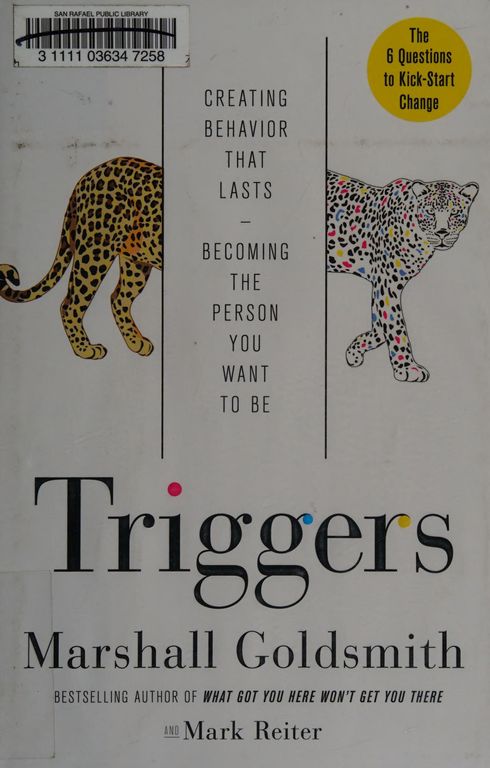
Nova: Exactly! We're talking about those hidden influences, the blind spots that even the most strategic minds can overlook. Today we're diving into "Uncovering Your Blind Spots: The Power of Strategic Self-Awareness," drawing profound insights from two foundational works: Marshall Goldsmith’s and Charles Duhigg’s. What’s fascinating about Goldsmith is that, despite being one of the world's top executive coaches, he openly shared his own personal struggles with self-awareness, making his framework incredibly authentic and rooted in his own journey to overcome blind spots.
Atlas: So even the most strategic minds, the ones who blueprint everything and aim to cultivate a thriving ecosystem, can miss something this fundamental? That's a powerful claim, Nova.
Nova: It is, Atlas. And it’s why understanding these unseen forces, these 'invisible architects' of our behavior, is such a game-changer. Today, we'll first explore how to unmask them – our triggers and blind spots. Then, we'll discuss how to rewire our operating system, moving from automatic reactions to cultivating intentional habits.
Unmasking the Invisible Architects: Identifying Your Triggers and Blind Spots
SECTION
Nova: So, let's start with Marshall Goldsmith's core idea: we are constantly being 'triggered.' He explains that a trigger is any stimulus that shapes our behavior. It can be external – like your phone buzzing, a specific person entering the room, or even just the time of day. Or it can be internal – a feeling of stress, a thought of inadequacy, or a sudden burst of excitement. These triggers, often unnoticed, set off a chain reaction of automatic responses.
Atlas: I imagine a lot of our listeners, especially those cultivating complex projects and driven by impact, probably have recurring situations that frustrate them. What's one of those hidden triggers for someone like that, someone who really cares about their legacy?
Nova: That's a great question, Atlas. Think about the recurring frustration of a project derailment. For someone deeply invested in building a legacy, a sudden setback might trigger an immediate, almost visceral, feeling of frustration or even self-doubt. The automatic response might be to micromanage, to blame others, or to withdraw. The trigger isn't the setback itself, but the it evokes, which then dictates an often unhelpful routine. This is where we often fail to see how these daily triggers shape our responses and limit our growth.
Atlas: Okay, but isn't it easy to just blame the trigger? To say, "Oh, my team triggered me"? What's the Goldsmith secret sauce here? How do you actually these hidden influences when you're in the thick of it, when you're trying to build something significant?
Nova: That’s the brilliance of Goldsmith. He doesn't just identify triggers; he offers a simple, yet profound, daily framework for self-awareness. He suggests asking yourself a series of active questions every day. Not just "Did I do my best today?" but questions like, "Did I do my best to set clear goals today?" "Did I do my best to be happy today?" "Did I do my best to engage others today?" These aren't passive reflections; they are active inquiries that force you to confront your intentions versus your actual behavior, revealing the gap where triggers often operate.
Atlas: So you're saying, by consistently asking these questions, I start to notice the patterns? Like, "Oh, every time I get a certain type of email, I default to a defensive posture"? It’s like creating a mental surveillance system for your own reactions.
Nova: Exactly! It's about bringing consciousness to the unconscious. That initial moment of awareness is crucial. It’s like suddenly seeing the strings of the puppet, where before you just saw the puppet moving. Recognizing these hidden influences is crucial for intentional progress. Once you see the trigger and your automatic response, you gain a choice.
Rewiring Your Operating System: From Automatic Reactions to Intentional Habits
SECTION
Nova: Once you start to see these triggers and your default reactions, the next natural question is, "Okay, now what?" This is where Charles Duhigg's work in becomes our blueprint for change. Duhigg reveals the science behind habit formation, showing us that every habit, good or bad, operates on a three-part loop: a cue, a routine, and a reward.
Atlas: So you're saying if I understand the 'cue' for, say, hitting snooze five times every morning, and the 'reward' I'm getting – maybe a few more minutes of perceived rest – I can swap out the 'routine'? Can you give us an example that truly resonates with someone who's trying to cultivate better outcomes, not just break bad habits?
Nova: Absolutely. Let's take that email example from earlier. The cue might be the 'ding' of a new message. The routine is immediately opening it, even if it disrupts deep work. The reward? A fleeting sense of control or the satisfaction of clearing the inbox, however temporary. If you want to cultivate more focused work, you identify that cue. Then, instead of the old routine, you introduce a new one: when the email 'dings,' you instead take a deep breath, close your email client, and check it only at designated times. The reward becomes the satisfaction of sustained focus and impactful work. Duhigg shows us that you don't necessarily eliminate the cue or the reward; you change the routine in between.
Atlas: That's powerful. It’s like understanding the operating system of your own behavior. And this really ties into what we're calling 'Nova's Take' – the idea that our actions are often automatic, but becoming aware allows us to choose better paths. For an 'Architect' who loves blueprints, how does understanding this loop provide a new kind of strategic advantage in building a thriving ecosystem?
Nova: It provides immense strategic advantage, Atlas. Knowing the cue-routine-reward loop allows you to intentionally design your environment and your responses. For the architect of a thriving ecosystem, this means you're not just reacting to problems; you're proactively designing systems that foster positive habits and mitigate negative ones. You can structure your day, your team interactions, even your physical space, to trigger desired behaviors and reward growth. It’s about cultivating better habits for sustained growth, not just for yourself, but for the entire system you're building.
Synthesis & Takeaways
SECTION
Nova: So, our journey today has taken us from the subtle, unseen triggers that shape our daily reactions, to the powerful, scientific understanding of how habits are formed. We've seen how recognizing these hidden influences empowers us to move from automatic responses to intentional choices. This isn't about achieving perfection, which as we know, is a myth; it's about embracing the messy middle and making consistent progress, which is where true power lies.
Atlas: This really speaks to building inner strength for the journey, and growing responsibly. The recommendation for daily reflection – five minutes – seems like a direct application of Goldsmith's framework. What's the biggest takeaway for our listeners who are aiming for significant impact and legacy, not just short-term wins?
Nova: For those seeking lasting impact and building a legacy, the biggest takeaway is this: strategic self-awareness is your ultimate tool. It allows you to transform recurring frustrations into opportunities for intentional design. Don't underestimate the power of simply observing your own reactions. Start by identifying just one recurring situation that frustrates you. Ask yourself, 'What's the hidden trigger here? What's the automatic routine? What's the reward I'm getting, even if it's a negative one?' And then, with that awareness, start experimenting with a new routine. Even a small shift can create a ripple effect.
Atlas: That’s a powerful call to action. It’s about taking control of the internal architecture before you can truly master the external.
Nova: Absolutely. It’s about making conscious choices that align with your deepest values and your vision for impact. This is Aibrary. Congratulations on your growth!