

Global Dynamics: Mastering the Art of International Commerce
Golden Hook & Introduction
SECTION
Nova: Atlas, quick game for you. I'll give you a global event, and you tell me the first three words that pop into your head about its economic impact. Ready?
Atlas: Oh, I like this! Hit me. My brain is prepped for rapid-fire.
Nova: Okay. The Suez Canal blockage.
Atlas: Supply chain chaos. Delays. Cost spikes.
Nova: Exactly! See how quickly we connect a singular event to global ripples? That immediate, almost intuitive understanding of interconnectedness is precisely what we're dissecting today.
Atlas: Oh, I see where you're going with this. It’s like a domino effect, but with container ships. Or, you know, tariffs.
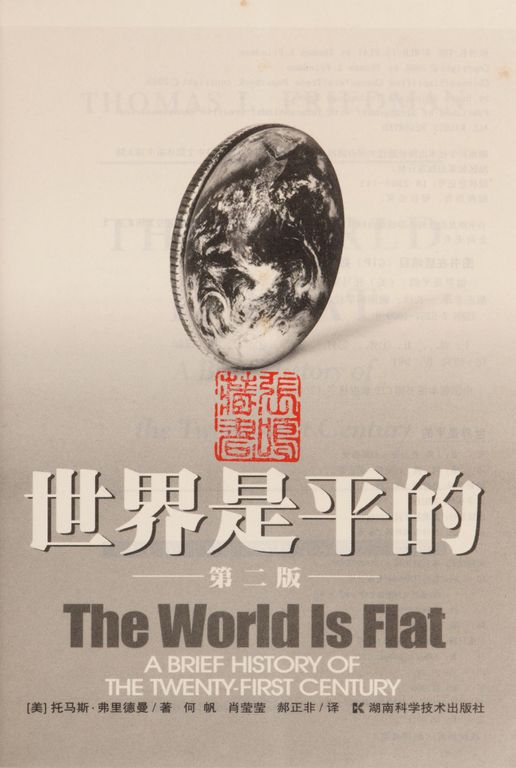
Nova: Perfectly put. Today, we're diving deep into the intricate dance of international commerce, drawing insights from two incredibly pivotal, yet contrasting, books: Thomas L. Friedman's seminal "The World Is Flat: A Brief History of the Twenty-first Century" and Matthew C. Klein and Michael Pettis's provocative "Trade Wars Are Class Wars: How Globalism Hurts the Middle Class."
Atlas: Wow. Friedman’s book, published nearly two decades ago, really captured the zeitgeist of globalization. It became a phenomenon, winning awards and sparking countless debates. He was already a Pulitzer Prize-winning journalist when he wrote it, known for making complex geopolitical ideas accessible. But Klein and Pettis, that’s a newer, sharper critique, isn't it?
Nova: Absolutely. Friedman’s work, which emerged from his travels and observations, painted a vivid picture of a world leveled by technology and trade. It was a massive bestseller, shaping how many viewed the future of global business. But as you said, Klein and Pettis offer a powerful counter-narrative, challenging some of those foundational assumptions. They argue that the promise of a "flat world" hasn't delivered for everyone, revealing the hidden costs of unchecked globalization.
Atlas: So basically you’re saying, we’re contrasting the utopian vision of globalism with its very real, sometimes painful, consequences. This is going to be good.
The Flattening World vs. The Uneven Playing Field
SECTION
Nova: Precisely. Let's start with Friedman's big idea: "The World Is Flat." His core argument is that various technological and political advancements, from the fall of the Berlin Wall to the rise of the internet and outsourcing, effectively "flattened" the global economic playing field.
Atlas: So in other words, it made it easier for businesses and individuals from different parts of the world to compete and collaborate, right? Like someone in Bangalore could now do the same customer service job as someone in Omaha.
Nova: Exactly. He identified ten "flatteners," including the workflow software, supply chaining, and even the rise of open-source software. These forces, he argued, democratized access to information and markets, making geographical distance less relevant and fostering a new era of global competition and innovation.
Atlas: That makes sense. I can definitely relate to how the internet has shrunk the world. For our listeners in aerospace logistics or trade compliance, the idea of a flattened world probably felt like a promise of seamless global operations. But hold on, if the world is so flat, why do we still see so much economic disparity and trade friction? That sounds a bit out there.
Nova: That's where Klein and Pettis come in with "Trade Wars Are Class Wars." They challenge the very premise of a uniformly flat world, arguing that what often appears as international trade imbalance is, in fact, a symptom of deep-seated domestic economic inequalities and policy failures.
Atlas: Okay, but how? Most people think trade wars are about countries fighting over tariffs or market access.
Nova: They reframe it. They argue that countries like Germany or China, with their high savings rates and suppressed wages, effectively subsidize their export industries. This allows them to flood global markets with cheaper goods, creating massive trade surpluses. But this isn’t just about trade policy; it’s about internal decisions that favor specific classes within those countries.
Atlas: So you're saying that a German factory worker might be earning less, which makes their products cheaper for export, but it also creates a wealth disparity within Germany?
Nova: Exactly. And on the flip side, countries like the US, with lower savings rates and high consumption, end up absorbing these surpluses, leading to trade deficits and, crucially, a hollowing out of their own manufacturing sectors. Klein and Pettis contend that these internal class dynamics — the rich getting richer while the middle class stagnates — are the true drivers of global economic imbalances, not just simple trade disputes.
Atlas: Wow, that’s kind of heartbreaking. So the "flattening" Friedman talks about might have benefits at the top, but it creates deep valleys for the middle and working classes. It’s like the world got flatter for some, but steeper for others.
Nova: A perfect analogy. Friedman saw the potential for shared prosperity, while Klein and Pettis highlight how that potential was often undermined by internal policy choices that exacerbated inequality, leading to what looks like trade wars but are really class wars playing out on a global stage. This is crucial for anyone managing global supply chains – understanding that the 'why' behind a tariff or a trade dispute often goes much deeper than the headlines.
The Hidden Costs of Globalization and Proactive Adaptation
SECTION
Nova: This brings us to a critical point for our listeners, especially those who are strategists and architects in their organizations. If trade imbalances are symptoms of domestic class struggles, then the solutions aren't just about adjusting tariffs.
Atlas: I’m curious, what does that mean for someone who needs to future-proof their business unit? If the underlying issues are so fundamental, how can they possibly mitigate risks?
Nova: It means adopting a proactive, deeply nuanced understanding of global economic forces. Instead of just reacting to regulations or trade agreements, you need to understand the socio-economic pressures that those policies. For instance, a rise in protectionist sentiment in a country isn't just about political rhetoric; it could be a direct response to decades of wage stagnation or job losses in specific sectors.
Atlas: So you’re saying, instead of just tracking tariffs, we should be tracking income inequality reports in key trading partners? That’s next level.
Nova: Precisely. Klein and Pettis argue that governments often use trade policy as a convenient scapegoat for their own failures to address wealth disparities at home. For businesses, this means identifying one recent global event—political, economic, or technological—and tracing its potential ripple effects through your supply chain or trade compliance requirements, not just on the surface, but to its deeper societal roots.
Atlas: Okay, so let's try an example. The recent push for "reshoring" manufacturing back to domestic markets. On the surface, it’s about national security or job creation. But if I'm applying the Klein and Pettis lens, I’d ask: Is this also a response to internal pressure from a struggling middle class, whose jobs were previously outsourced in the "flat world" era?
Nova: Exactly! And if you trace that ripple, you might anticipate increased labor costs, new regulatory hurdles, or even shifts in consumer preferences towards domestically sourced goods. For someone building new pathways for their business, this foresight is invaluable. It’s about asking: How can my business unit proactively adapt its trade and logistics strategies to mitigate risks and capitalize on opportunities presented by an ever-changing global economic landscape, not just the reasons, but the ones?
Atlas: That makes me wonder, how do you even begin to do that? It sounds overwhelming to connect every global event to domestic class struggles.
Nova: It starts with a mindset shift. The global stage can seem overwhelming, but with knowledge and strategic thinking, you can transform challenges into advantages. It's about recognizing that every policy, every trade dispute, every shift in consumer behavior has a deeper narrative rooted in human experience and economic realities. For an architect and strategist like you, it's about seeing the entire system, not just the visible parts.
Atlas: So basically you're saying, don't just look at the map; understand the geology beneath it.
Nova: Beautifully put. And that understanding empowers you to build more resilient, more adaptable, and ultimately, more successful international operations.
Synthesis & Takeaways
SECTION
Nova: So, what we’ve seen today is this fascinating tension between the promise of a "flat world"—a world of boundless opportunity and interconnectedness as described by Friedman—and the stark reality that this flattening often comes with profound and uneven costs, as illuminated by Klein and Pettis.
Atlas: It’s like Friedman gave us the blueprint for a global highway, but Klein and Pettis pointed out that some lanes are crumbling and others are reserved for the elite, all because of how the local traffic laws were written.
Nova: That’s a perfect example. The core insight here is that true mastery of international commerce isn't just about understanding trade agreements or logistics; it's about seeing the whole picture: the technological drivers, the economic incentives, and crucially, the social and political pressures within nations that manifest as global dynamics.
Atlas: For our listeners who are constantly building and innovating, it means trusting their vision to look beyond the surface. It means asking the deeper questions about things are happening globally, not just is happening. That foresight is what separates the reactive from the truly strategic.
Nova: Absolutely. And remember, the global economy is not a static entity; it's a living, breathing system shaped by human decisions. By understanding these deeper currents, you can move from simply reacting to proactively shaping your destiny within it. It’s about transforming what seems like an overwhelming challenge into a powerful strategic advantage.
Atlas: That’s actually really inspiring. This is Aibrary. Congratulations on your growth!