Stop Guessing, Start Influencing: The Guide to High-Value Sales Psychology
Golden Hook & Introduction
SECTION
Nova: Most people think sales is about talking people into things, about the perfect pitch or the slickest presentation. What if I told you the most effective influence isn't about talking at all, but about deeply understanding what makes us human?
Atlas: That’s a bold claim, Nova. Especially for our listeners navigating high-stakes negotiations and complex client relationships. I imagine many strategic leaders are thinking, "My work is about data and logic, not some fuzzy human psychology."
Nova: Ah, but that's precisely the misconception we're here to unravel today. We’re diving into "Stop Guessing, Start Influencing: The Guide to High-Value Sales Psychology," and at its heart are profound insights from giants like Robert Cialdini, a social psychologist who spent decades observing what truly makes people say 'yes.' His research isn't theoretical; it’s rooted in years of studying compliance professionals in the field, giving his principles immense practical weight.
Atlas: So, you’re saying this isn't about manipulation, but about something deeper? Because for many, the word 'influence' can sometimes carry a negative connotation, especially in ethical business dealings.
Nova: Exactly. We’re shifting from viewing sales as a transactional exchange to seeing it as a deep human interaction. True influence, the kind that builds lasting relationships and delivers high value, stems from understanding fundamental psychological triggers. This isn't about trickery; it’s about genuine connection and ethical persuasion.
The Six Pillars of Ethical Influence: Beyond Manipulation
SECTION
Nova: So, let's start with Cialdini. His work, widely acclaimed and groundbreaking, isn't just a list of tactics. It’s a framework for understanding why we, as humans, behave the way we do. He outlines six universal principles of influence: Reciprocity, Commitment and Consistency, Social Proof, Authority, Liking, and Scarcity.
Atlas: Okay, but how does a strategic leader, who’s all about analytics and long-term vision, apply something like 'reciprocity' without it feeling… transactional in a different way? Like, 'I give you something, so you owe me'?
Nova: That’s a great question, and it gets to the core of ethical influence. Reciprocity, for instance, isn't about a transactional quid pro quo. It's about genuine giving. Imagine you're a leader trying to secure a major partnership. Instead of immediately launching into your proposal, you proactively offer truly valuable market intelligence that you know would benefit their strategic planning, something they didn’t even ask for.
Atlas: Like a bespoke industry report, or an analysis of a competitor they’re eyeing?
Nova: Exactly. You've provided genuine value, demonstrating your expertise and your commitment to their success, even before they've committed to you. That creates a natural, human inclination for them to want to reciprocate, not out of obligation, but out of a feeling of goodwill and respect. It opens the door for a much deeper, more receptive conversation when you do present your solution.
Atlas: I can see how that builds trust. It reframes the interaction from a 'take' to a 'give first' mentality. What about something like Scarcity? That often sounds like a high-pressure sales tactic, which our listeners, who value long-term relationships, would actively avoid.
Nova: That’s where the ethical distinction is crucial. Scarcity, when used ethically, isn’t about creating false urgency. It’s about genuinely communicating limited availability of a high-value resource. Consider a bespoke, highly customized solution you’re offering. If your team genuinely has limited capacity for such intricate projects, communicating that fact—that you can only take on a select number of these partnerships per quarter to ensure quality—isn’t manipulation.
Atlas: You’re saying it’s about transparency regarding genuine constraints, not manufacturing artificial demand.
Nova: Precisely. It signals exclusivity and high-demand for a truly valuable offering. It's about respecting the client's intelligence and your own value. When these principles are understood as fundamental human responses, they become tools for fostering trust and connection, allowing for more effective and ethical negotiation, not coercion. It’s about creating an environment where a 'yes' feels natural and beneficial to everyone involved.
Everyone Sells: The Human-Centered Approach to Moving Others
SECTION
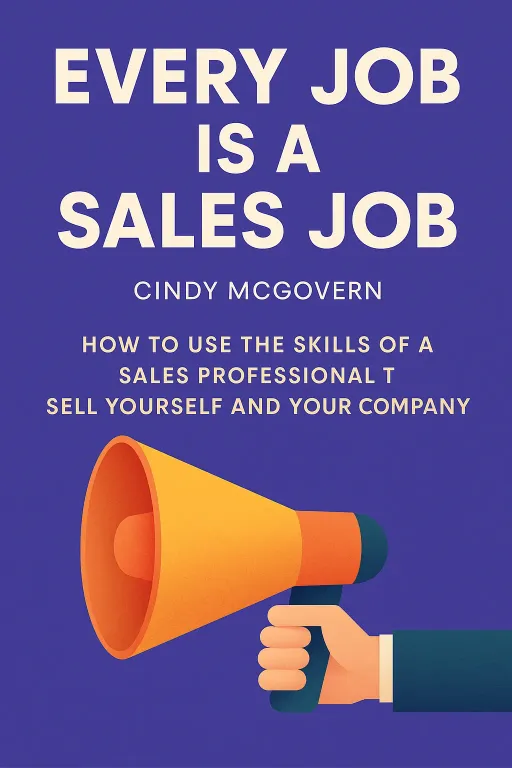
Nova: Now, once we grasp people are influenced through these deep psychological currents, the next step is often realizing is actually doing the influencing. This brings us to Daniel H. Pink's incredibly insightful book, "To Sell Is Human." Pink argues that in our modern economy, everyone is in sales.
Atlas: I imagine a lot of our listeners, the strategic leaders and analytical minds, might push back on that. They see themselves as innovators, problem-solvers, or strategists, not 'salespeople' in the traditional sense.
Nova: That’s the common misconception Pink challenges. He clarifies that "selling" has fundamentally changed. It’s no longer about the slick, fast-talking individual peddling wares. In today’s world, we are all constantly 'moving others.' Whether you're a CEO pitching a new vision to your board, a manager inspiring your team to adopt a new process, or an entrepreneur securing investment, you are engaging in the act of 'moving others.'
Atlas: So, it's about persuasion in a broader sense, going beyond just client acquisition. It’s about internal stakeholders, partners, even talent attraction.
Nova: Exactly. Pink reveals how to move others by understanding their perspective and framing your message in ways that resonate with their intrinsic motivations. It’s a profound shift from a traditional, feature-focused sales approach to one that is human-centered. Take a leader introducing a significant digital transformation, perhaps an AI integration in the insurance sector—a topic our user profile is keen on.
Atlas: That’s a massive undertaking. Teams often resist change, especially when it involves new technology and processes. How does 'selling' that vision ethically apply here?
Nova: Instead of just outlining the technical specs of the AI or the cost savings, a human-centered approach would focus on the team's intrinsic motivations. What do your employees truly value? Is it innovation? Is it efficiency that frees them from mundane tasks to do more creative work? Is it making their company a leader in the industry, ensuring their own job security and growth? The leader frames the AI integration not as a technological imposition, but as a path to achieving those deeper desires.
Atlas: So, you're not selling the AI; you're selling the future, the growth, the efficiency, the innovative edge that the AI enables, tailored to what you know motivates your team. It’s about connecting the change to their personal and professional aspirations.
Nova: Precisely. It’s about identifying their 'why' and speaking to it directly. This makes your influence both powerful and authentic, because you’re not pushing something them; you're helping them see how this new direction aligns with their own deeply held values and goals. It’s about building a shared vision, rather than imposing a directive.
Synthesis & Takeaways
SECTION
Nova: So, bringing these two powerful ideas together: Cialdini gives us the underlying psychological mechanisms that make us human, explaining we are influenced. Pink broadens our understanding of and these mechanisms are always at play, showing that 'selling' is a fundamental human activity for everyone, especially strategic leaders.
Atlas: It truly redefines what it means to be influential. It moves us away from transactional thinking and towards understanding the intricate web of human needs and motivations. It's about building genuine connection for lasting impact.
Nova: Absolutely. And this fundamentally shifts your approach from selling features to understanding and addressing core human needs, making your influence both powerful and authentic. For our listeners, the strategic leaders and insightful negotiators, the growth recommendation is clear: trust your inner wisdom and dedicate time for reflection.
Atlas: And that reflection can start right now, with a tiny, actionable step.
Nova: That’s right. For our listeners, identify one recent client interaction. Think about it. Which of Cialdini's principles—Reciprocity, Commitment and Consistency, Social Proof, Authority, Liking, or Scarcity—could have ethically enhanced your influence in that specific situation? Then, consciously apply that principle in your very next meeting. Observe the difference.
Atlas: That’s a brilliant way to immediately integrate these profound insights into their strategic approach. It’s not just theoretical; it’s about immediate, ethical application.
Nova: Indeed. Understanding these principles isn't about manipulating; it's about genuinely connecting and ethically persuading, which is crucial for high-value sales and lasting leadership. This is Aibrary. Congratulations on your growth!