Unmasking Influence: How to Navigate Human Decisions and Drive Change
10 minGolden Hook & Introduction
SECTION
Nova: What if I told you that most of your 'rational' decisions are actually just well-dressed gut feelings? And that true influence isn't about winning an argument, but understanding the invisible strings?
Atlas: Oh, I like that. So you're saying all those spreadsheets and pros-and-cons lists we painstakingly create... might just be our brains trying to make sense of what we already decided? That's actually kind of terrifying.
Nova: Absolutely! We often think we're purely logical beings, but the science tells a different story. Today, we're unmasking influence with two titans in the field: Robert Cialdini, whose groundbreaking book 'Influence: The Psychology of Persuasion' came from years of him going undercover in sales organizations to understand real-world tactics.
Atlas: Undercover? That’s dedication. Like a psychological spy.
Nova: Exactly! And then we have Daniel Kahneman, a psychologist who actually won the Nobel Memorial Prize in Economic Sciences for his revolutionary work on how we truly make choices, detailed in 'Thinking, Fast and Slow.'
Atlas: Wow, a Nobel for economics, but he's a psychologist. That itself challenges conventional thinking. So, we're talking about the science, not just the art, of getting people to say 'yes,' and understanding how our brains are wired for it?
Nova: Precisely. Today, we'll dive deep into this from two powerful perspectives. First, we'll explore how our minds actually make decisions, often without us even realizing it. Then, we'll discuss the six universal psychological triggers that, once understood, can unlock profound insights into human behavior and even help you design more compelling user journeys.
The Unseen Architects of Our Choices: Kahneman's Dual Systems of Thinking
SECTION
Nova: So, let's start with Kahneman and his partner Amos Tversky's incredible insight into our 'Two Systems' of thinking. Imagine you're walking down a dark alley late at night, and you hear a sudden, sharp noise behind you. What's your immediate reaction?
Atlas: Oh, I know that feeling. My heart would pound, I'd probably jump, and my mind would immediately race to 'threat!' before I even consciously processed the sound.
Nova: Exactly! That's your System 1 in action. It's fast, intuitive, emotional, and often operates automatically, beneath the surface of our conscious awareness. It's what allows you to understand simple sentences, recognize faces, or react to danger without effort. It's incredibly efficient.
Atlas: So you're telling me my 'gut feeling' about that new product launch isn't always my brilliant intuition, but sometimes just my brain taking a shortcut?
Nova: That’s a brilliant way to put it! System 1 generates impressions, feelings, and inclinations. It's the source of those quick judgments and biases. Now, if that noise in the alley turned out to be a cat knocking over a trash can, your System 2 would kick in.
Atlas: The slow, logical part? The one that says, 'Okay, analyze the situation, it's just a feline mischief-maker, calm down'?
Nova: Precisely. System 2 is effortful, deliberate, analytical, and logical. It’s what you use to solve a complex math problem, fill out a tax form, or, yes, rationally assess a product's features. The critical insight from Kahneman is that System 1 is largely in charge. It's the one constantly generating suggestions for System 2: impressions, intuitions, intentions, and feelings. If System 2 endorses these impressions, they turn into beliefs and voluntary actions.
Atlas: That makes me wonder, for our listeners in high-stakes environments, where every decision feels critical, how much of it is truly System 2, and how much is just System 1 in a very expensive suit?
Nova: A lot more System 1 than we'd like to admit! Consider advertising. Why do brands often use attractive models or evoke strong emotions, even for products that are purely functional? It's not because they're appealing to your logical System 2. They're going straight for your System 1, creating a feeling, an association, a 'liking,' before your System 2 even has a chance to thoroughly evaluate the product specifications.
Atlas: Right, like that feeling of trust you get from a visually appealing website, even if the content is... sparse. So, if most decisions are driven by this fast, intuitive System 1, then appealing to emotions and psychological triggers becomes incredibly crucial for designing compelling user journeys and even for strategic foresight, to anticipate how people will react.
Nova: Absolutely. Leaders who understand this realize that simply presenting facts and figures isn't always enough to drive change. You need to connect with that intuitive, emotional System 1 first. It’s about more than just data; it’s about framing, story, and feeling.
Cialdini's Six Keys: Unlocking the Psychology of Influence
SECTION
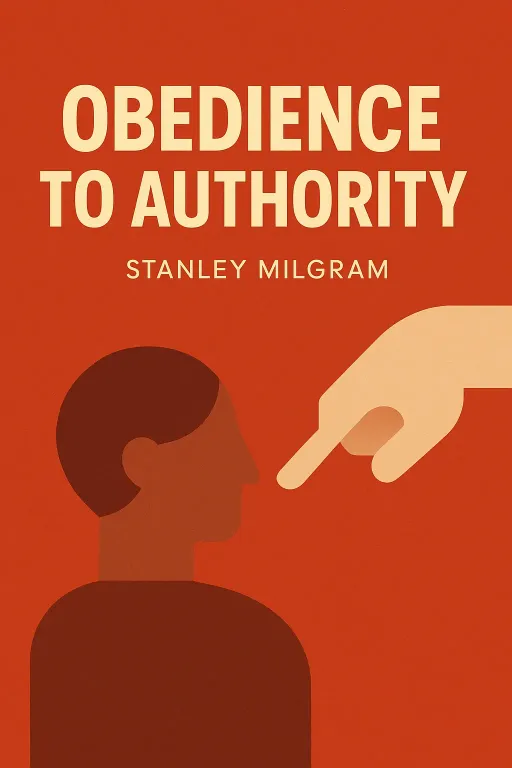
Nova: Understanding we decide, through Kahneman's lens, naturally leads us to truly influences those decisions, which is where Robert Cialdini's work becomes indispensable. He identified six universal principles of persuasion, mechanisms that tap directly into our System 1 responses.
Atlas: Okay, so if Kahneman tells us the brain processes, Cialdini gives us the actual levers to pull. Are these just manipulation tactics, or can they be used for good, for, say, building habit-forming products or leading teams more effectively?
Nova: That’s a crucial distinction, and Cialdini himself emphasizes ethical application. These principles are powerful precisely because they're hardwired into human psychology. Let's break down a few. First, We feel obliged to return favors.
Atlas: Like when someone gives you a free sample, you feel a little more inclined to buy their product? Even if you didn't really need it?
Nova: Exactly! It’s deeply ingrained. Then there's Once we make a small commitment, we feel pressure to follow through with larger, consistent actions. Think about signing a petition – that small action makes you more likely to donate to the cause later.
Atlas: So, getting a user to take a tiny first step in an onboarding process makes them more likely to complete the whole thing. That's a powerful behavioral nudge.
Nova: Indeed. Next, We look to others to determine appropriate behavior. If everyone else is doing it, it must be right. This is why testimonials, reviews, and 'most popular' labels are so effective.
Atlas: That’s a bit like seeing a crowded restaurant versus an empty one. The crowd signals 'good food,' even if you haven't tasted it yet. For market disruptors, this means showing, not just telling, that your solution is gaining traction.
Nova: Precisely. Then we have We tend to defer to credible experts. This isn't just about titles; it’s about perceived knowledge and trustworthiness. A doctor's recommendation, an academic's endorsement – these carry weight because our System 1 trusts authority figures.
Atlas: So, having an industry leader endorse your vision isn't just a vanity metric; it's a fundamental psychological trigger for others to follow.
Nova: Exactly. Fifth is We're more easily persuaded by people we like. This is why salespeople build rapport, find common ground, and offer compliments. It's not always about the product; sometimes it's about the connection.
Atlas: That gives me chills, thinking about how often I've agreed to things just because I genuinely liked the person asking. It's almost unconscious.
Nova: And finally, Opportunities seem more valuable when their availability is limited. 'Limited time offer,' 'only a few left,' 'exclusive access' – these phrases trigger a sense of urgency.
Atlas: Oh, I’ve been there. That fear of missing out, that FOMO, it's a huge driver. For someone focused on strategic foresight, understanding scarcity means you can frame your offerings to create genuine value and urgency, not just artificial pressure.
Nova: Absolutely. These aren't just tricks; they're deeply rooted psychological shortcuts our brains use to navigate a complex world. Understanding them is not about manipulation. It's about recognizing the natural currents of human behavior, so you can steer towards positive outcomes, whether that's encouraging healthier habits, fostering team collaboration, or inspiring customers to adopt an innovative solution.
Synthesis & Takeaways
SECTION
Nova: So, bringing Kahneman and Cialdini together, we see a powerful truth: human decisions are rarely purely logical. They are a complex dance between our fast, intuitive System 1, which is highly susceptible to psychological triggers, and our slower, more deliberate System 2, which often rationalizes those initial impulses.
Atlas: That’s actually really inspiring. It means that to truly lead, to innovate, to build resilient teams, it's not enough to just have the best idea. You also need to understand the human operating system. It's about designing for human nature, not against it.
Nova: Exactly. Ethical influence, then, becomes about recognizing these universal principles and intentionally applying them to guide people towards beneficial decisions. It's about creating environments and communications that resonate with both the logic and the deeply ingrained psychological patterns that drive us.
Atlas: For our listeners who are constantly innovating and building, I’d challenge you to think about a recent decision you made, or a decision you tried to influence. Which of Cialdini's six principles might have been at play? And how could understanding Kahneman's dual systems have changed your approach? It’s a tiny step, but it’s a powerful one in unmasking influence.
Nova: And that's how you move from just having a great vision to actually driving change.
Nova: This is Aibrary. Congratulations on your growth!