

The Trust Economy: Building Brand Loyalty Ethically
Golden Hook & Introduction
SECTION
Nova: Atlas, I’ve got a quick one for you. What’s the one thing that, if you lose it, is almost impossible to get back, but without it, nothing else really matters?
Atlas: Oh, that’s a deep cut right from the start! Hmm. My immediate thought is trust. Like, once it's gone, rebuilding it feels like trying to reassemble a shattered vase with superglue. And even then, the cracks are always visible.
Nova: Exactly! And that’s precisely what we’re dissecting today. We’re diving into "The Trust Economy: Building Brand Loyalty Ethically," drawing heavily from insights by authors like Ryan Holiday and Philip Kotler. What’s fascinating about this topic is how it forces us to confront the very foundations of how we interact with information and institutions today.
Atlas: That’s a great way to frame it. You know, when I think about Ryan Holiday, I'm reminded of how he really made a name for himself by pulling back the curtain on the media. His early career as a media strategist for some pretty big names gave him an insider's view, and he wasn’t afraid to expose the darker side of that world. It’s not just theory for him; it’s lived experience.
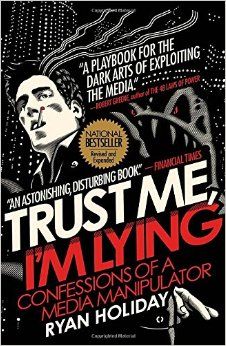
Nova: Absolutely. And that lived experience forms the backbone of his book, "Trust Me, I'm Lying: Confessions of a Media Manipulator." It's a raw, unflinching look at how easily news cycles can be bent to a specific will, how narratives are crafted, and how information spreads—or is made to spread.
Atlas: Oh, I like that. So, we're starting by looking behind the curtain, at the mechanics of manipulation? Because honestly, in today's world of endless content and conflicting headlines, it feels like we're constantly sifting through a minefield. What’s the first big takeaway from Holiday's work that really hits home for you?
The Dark Art of Media Manipulation
SECTION
Nova: The first big takeaway, and it's a chilling one, is the sheer of the media ecosystem. Holiday reveals how a small, well-placed piece of information, or even misinformation, can be amplified through a series of predictable steps. He talks about how bloggers, often under pressure for clicks, will pick up sensational stories without fact-checking. Then bigger, more reputable outlets, seeing the traction, will cite the smaller blogs, giving the story a veneer of legitimacy.
Atlas: So, it's like a game of telephone, but with a malicious intent at the start? And the "telephone" is the entire internet? That sounds rough, especially for anyone trying to make sense of current events or, say, a strategic analyst trying to get accurate data.
Nova: Precisely. He details how he would plant stories on obscure blogs, knowing that the hunger for content and the pressure to be first would lead larger, more established sites to pick them up. Once it hits a major news aggregator, it's game over. The story, whether true or not, has become "news." He even recounts how he’d sometimes manipulate a story by directly pitching it, but by making it seem like a natural discovery. He’d create a situation, then let the media stumble upon it.
Atlas: That’s incredibly cynical. And also, frankly, brilliant in a terrifying way. So, he wasn't just observing this; he was actively it. He was the architect of these information cascades. It makes me wonder, how does he justify that? Or is the book itself his form of atonement?
Nova: Good question. His perspective is less about justifying it and more about exposing it. He’s essentially saying, "Look, this is how the sausage is made. If you want to consume media responsibly, you need to understand these tactics." He’s not saying manipulation is good; he’s saying it's, and being aware of it is your first line of defense. It’s like a martial arts master teaching you the moves of your opponent.
Atlas: I can see that. For our listeners who are trying to build reputable brands or communicate ethically, understanding these dark arts is crucial. Because if you don't know the tricks, you can't protect yourself or your audience from them. Can you give an example of how this might play out in, say, a brand's reputation?
Nova: Absolutely. Imagine a competitor wanting to tarnish a brand’s image. Instead of a direct smear campaign, which is easily traceable, they could plant a subtly negative, slightly exaggerated story on a lesser-known industry blog. Maybe it's about a minor product glitch or a disgruntled ex-employee's vague complaint. Then, they use a network of anonymous social media accounts to amplify this story, making it trend. Soon, a larger tech news site, seeing the social media buzz and the initial blog post, publishes a more prominent piece. Before you know it, the initial, minor issue has spiraled into a full-blown PR crisis, all orchestrated from the shadows.
Atlas: Wow. That’s a powerful illustration. It’s not just about what's true, but what true, and how quickly that can gain momentum. So, for a strategic analyst, the lesson here isn't just about truth, but about the of truth and the mechanisms that shape it. But if that's the dark side, what's the antidote? How do we build trust when the very tools of communication can be so easily weaponized?
Radical Transparency as a Strategic Advantage
SECTION
Nova: That's where we pivot to the light, Atlas. And it brings us to a contrasting perspective from authors Lars Fæste and Philip Kotler in their work, "The Transparent Company: How to Build a Culture of Trust and Authenticity." While Holiday exposes the manipulation, Fæste and Kotler argue that in an age of skepticism, radical transparency isn't just a moral choice; it's a strategic advantage. They suggest that companies that are truly open and authentic can build deep trust with customers and stakeholders, and that this trust is a powerful, almost unassailable, competitive edge.
Atlas: That’s a bold claim. Radical transparency. My first thought is, isn't that incredibly risky for a company? Aren't there things you just be transparent about? Like, trade secrets or sensitive internal discussions?
Nova: You're hitting on the core tension, and it's a valid concern. Fæste and Kotler acknowledge that. They’re not advocating for reckless disclosure, but for a fundamental shift in mindset. It’s about being proactive in sharing information, even inconvenient truths, before they become problems. It’s about having a culture where integrity is so deeply embedded that transparency becomes a natural byproduct, not a forced PR strategy. They talk about how companies that embrace this approach often find that their customers are more forgiving when mistakes happen because there's a foundation of trust.
Atlas: I guess that makes sense. If you've been consistently honest, people are more likely to believe you when you say, "We messed up, and here's how we're fixing it." Rather than if you're constantly trying to hide things. Can you give an example of a company that embodies this kind of radical transparency?
Nova: They often point to companies that share their supply chain details, their environmental impact, or even their internal diversity metrics, not because they’re forced to, but because they believe it builds a stronger relationship with their audience. Take Patagonia, for instance. They're incredibly open about their manufacturing processes, their labor practices, and even encourage customers to repair their gear rather than buying new. They've built a brand around authenticity and environmental stewardship, and that level of transparency has cultivated an almost cult-like loyalty.
Atlas: Patagonia is a great example. It’s not just about selling products; it's about selling a philosophy, a way of being. And their transparency reinforces that. So, it's about aligning your actions with your values and then openly communicating that alignment. For a strategic analyst, this means not just developing a strategy but ensuring that the strategy itself is built on a foundation of integrity, and that its execution is visible.
Nova: Exactly. It's about moving from a mindset of "how much can we get away with?" to "how much can we openly share to strengthen our relationships?" This shift is profound because it transforms potential liabilities into assets. When you're transparent about your challenges, you invite collaboration and understanding, rather than suspicion.
Ethical Marketing: Beyond Manipulation to Genuine Connection
SECTION
Atlas: So, we've gone from the dark art of media manipulation to the strategic advantage of radical transparency. How do we bring these two seemingly opposing ideas together into a coherent framework for ethical marketing? Because the challenge for a lot of our listeners is figuring out how to navigate this tension.
Nova: That’s the crux of "The Trust Economy." It’s about leveraging both insights. Ethical marketing, in this context, requires two things. First, an of manipulation tactics. You need to understand how information can be distorted, not so you can use those tactics yourself, but so you can identify them, protect your brand from them, and counter them effectively. It’s defensive knowledge.
Atlas: So, knowing the enemy, not to join them, but to defend against them. That's a crucial distinction.
Nova: Precisely. And the second part is an unwavering to genuine transparency and authenticity. It’s about choosing to build your brand on a bedrock of trust, even when it's harder, even when it means admitting imperfections or taking a less sensational route. It’s about understanding that short-term manipulative gains are almost always outweighed by the long-term erosion of trust.
Atlas: That makes perfect sense. It’s like, you can't be naïve about the world, but you also can’t let the cynicism of others define your own actions. You have to be smart about the game, but play it ethically. For a strategic analyst, this means developing communication strategies that are not just effective but also deeply principled. It's about building a brand that can withstand scrutiny because it has nothing to hide.
Nova: And that’s where the real impact lies. In an era where information overload breeds distrust, the brands and organizations that prioritize genuine, ethical connection will be the ones that not only survive but thrive. They'll be the ones that earn true loyalty, not just fleeting attention. It’s about moving from transactional relationships to transformational ones, built on mutual respect and honesty.
Atlas: That’s actually really inspiring. It’s a hopeful message in a world that often feels very cynical about media and marketing. It’s about choosing to be a force for good, even when it’s tempting to cut corners.
Nova: Exactly. And for anyone looking to build that kind of brand loyalty, to be an ethical innovator, it starts with that dual awareness. Understanding the pitfalls, but always striving for the higher ground.
Synthesis & Takeaways
SECTION
Nova: So, what we’ve really explored today is the profound shift required in how we approach communication and brand building. It’s recognizing that in a world awash with manipulated narratives, genuine trust isn't just a nice-to-have; it's the ultimate currency.
Atlas: Absolutely. It’s about understanding that the strategic analyst of today isn't just a master of data and market trends, but also a guardian of integrity. It's about proactively building a culture of trust and transparency, leveraging ethical communication not just as a defensive measure, but as a competitive advantage.
Nova: And it’s a competitive advantage that builds profound, lasting loyalty, moving beyond fleeting attention to genuine connection. It's the difference between a brand that shouts for attention and one that earns profound respect.
Atlas: That’s a powerful distinction. And for our listeners, I think the biggest takeaway is to evaluate the content you consume, and the content you create, with both a critical eye and an ethical heart. Be aware of the manipulation, but always choose transparency.
Nova: A perfectly put summary, Atlas. And that choice, that commitment to ethical innovation, is what truly builds brand loyalty in the trust economy. This is Aibrary. Congratulations on your growth!