

The Network Effect: Why Connection, Not Just Content, Drives Artist Success
Golden Hook & Introduction
SECTION
Nova: Forget the myth of the lone genius artist toiling away in obscurity, waiting for their moment of recognition. What if your biggest breakthrough isn't about the next hit song, but about who your fans are talking to, and crucially, how they’re connecting with each other?
Atlas: Whoa. That’s a bold statement right out of the gate, Nova. It almost feels… counter-intuitive to how we've been taught artists "make it." We're always told it's about the content, the craft, the individual brilliance. Are you really saying that's not the primary driver?
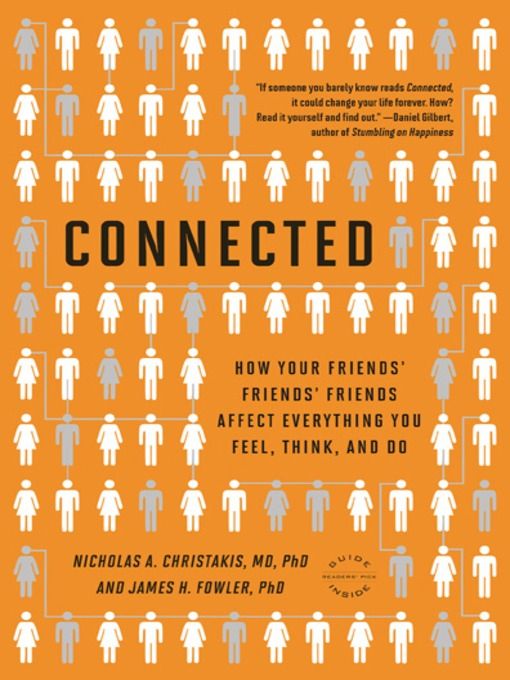
Nova: Absolutely, Atlas. And we’re not just talking gut feelings here. We’re diving into the profound, scientifically-backed insights from two foundational books today: "Connected: The Surprising Power of Our Social Networks and How They Shape Our Lives" by Nicholas Christakis and James Fowler, and Malcolm Gladwell's iconic "The Tipping Point." Christakis and Fowler, brilliant minds from Yale and Harvard respectively, fundamentally shifted our understanding of social science, showing us how deeply intertwined our fates are.
Atlas: Right. For our listeners who are independent artists, trying to build thriving careers and really unlock new value in this digital landscape, this shifts the whole paradigm. It's not just about getting music to, but getting to talk about music to friends. So, how does this "invisible influence" really play out in an artist's career?
Nova: It’s about recognizing that your audience isn't just a collection of individuals. It's a living, breathing, connected organism. And understanding that organism is far more powerful than endlessly optimizing your latest track.
The Invisible Threads: How Social Networks Shape Our Lives
SECTION
Nova: Christakis and Fowler’s work reveals that social networks profoundly influence everything from our health and happiness to our political views and even our success. What’s truly mind-bending is that this influence doesn't stop with your direct friends. It ripples out. They found that phenomena can spread up to three degrees of separation.
Atlas: Hold on. You’re telling me that a friend of my friend's friend could influence my chances of, say, discovering a new artist, or even my own artistic choices? That sounds a bit out there, but also, incredibly powerful for an artist trying to build a career. How does an artist even begin to map these invisible threads?
Nova: Well, it’s not about direct, conscious manipulation, Atlas. It's more like a statistical ripple effect, an organic contagion. Think about it like this: if you have a friend who starts running, you're more likely to start running. If their friend starts running, that likelihood increases even more, even if you’ve never met that person. It’s the subtle, often unconscious, spread of norms, behaviors, and information. For an artist, this means understanding how fan-to-fan connections form and influence each other, not just how fans connect directly with the artist.
Atlas: Okay, so it’s less about direct control and more about understanding the ecosystem. Like a forest where individual trees are important, but the vast, hidden mycorrhizal network underground is what truly sustains the entire ecosystem. That’s a great analogy. For our listeners who are independent artists, trying to break through in a crowded digital space, this shifts the whole paradigm. It's not just about getting music to, but getting to talk about music to friends. What's the practical implication here for an artist trying to build a legacy, or reshape their business model?
Nova: The implication is profound. It means shifting your focus from solely broadcasting your content to actively fostering the connections your fans. When fans connect with each other over your art, they form a more resilient, self-sustaining community. They become evangelists, sharing your music not because you asked them to, but because their peers are doing it, and they feel part of something bigger.
Atlas: That’s actually really inspiring. It sounds like a more organic, sustainable way to grow than just throwing money at ads, which often feels like shouting into the void for independent artists. So, if I'm an artist, and I'm understanding this, what's a tiny, tangible step I can take to start cultivating this network effect among my fans?
Nova: That’s precisely where the "Tiny Step" comes in. Encourage your most dedicated fans to connect with. Create a small, exclusive online space—it could be a private forum, a Discord server, a dedicated chat group—where they can interact, share their thoughts on your music, even collaborate on fan projects. The key is to facilitate their connection, not just your connection them.
The Anatomy of a Spread: How Ideas and Art Reach Critical Mass
SECTION
Nova: And once we understand the power of these networks, the next logical step, and what Malcolm Gladwell brilliantly dissects in "The Tipping Point," is how things actually through them, how they 'tip' from niche to mainstream. Gladwell's book was a cultural phenomenon in itself, popularizing the science of how trends ignite and spread like epidemics.
Atlas: Oh, Gladwell! I remember reading that. It felt like he pulled back the curtain on how trends happen, whether it was Hush Puppies shoes or the spread of syphilis in Baltimore. For artists, that's the holy grail, right? Getting your music to 'tip.' What are the key ingredients he identified that make something spread?
Nova: Gladwell identified three crucial types of people, or roles, that act as the engines of social epidemics. He called them 'Connectors,' 'Mavens,' and 'Salesmen.' The Connectors are the people with vast social circles, they know everyone across different groups. Think of that one friend who seems to be invited to every party, from the art gallery opening to the underground concert.
Atlas: Right, like the social glue. They’re not necessarily the ones creating the content, but they’re distributing it through sheer social reach. That’s a strategic insight for artists.
Nova: Exactly. Then you have the Mavens. These are the information specialists, the people who accumulate knowledge. They’re the deep divers, the researchers, the ones who know everything about a particular genre, artist, or movement. They don’t just know a lot of people; they know to know. They’re the early adopters who can spot genuine talent and understand its value before anyone else.
Atlas: I know those people! They’re the ones who were listening to that obscure band years before they blew up, and they’ll tell you all about their discography. So, they validate the content. And the third type? The Salesmen?
Nova: The Salesmen are the persuaders. They have an uncanny ability to influence others, to make ideas infectious. They’re charismatic, convincing, and when they talk about something, you listen. They don't just share information; they create enthusiasm and action. Imagine a dedicated fan who doesn't just post your song, but writes a passionate, compelling review that makes all their friends go listen immediately.
Atlas: So, if I'm an artist, I'm looking for these three types within my fanbase? That's a strategic shift. Instead of just chasing likes, I'm identifying the people who can actually my music through the network. But how does an artist these people? Is it just hoping they show up, or can you actively cultivate them?
Nova: You can absolutely cultivate them, Atlas. It starts with observation. Who are the fans commenting on everything? Who's always sharing your posts? Who's introducing your music to their friends in real life? Connectors might be the ones organizing fan meetups or sharing your content across multiple platforms. Mavens are the ones digging deep into your lyrics, sharing theories, or creating detailed fan wikis. Salesmen are the ones constantly recommending your music to others, passionately defending it. The goal isn't to manipulate them, but to recognize and empower these natural spreaders within your community.
Atlas: That’s a great way to put it. It’s not about manipulating, but empowering the natural spreaders. It also sounds like a more organic, sustainable way to grow than just relying on algorithms or traditional marketing. This could really unlock new value and equitable business models for independent artists who are often overlooked by the traditional industry.
Synthesis & Takeaways
SECTION
Nova: Precisely. When we put Christakis and Fowler's insights together with Gladwell's, we get a powerful blueprint. Christakis and Fowler show us the and of the network – those invisible threads that bind us. Gladwell then shows us the of how ideas, behaviors, and crucially, art, move through that network. For artists, this means shifting from a content-centric view – "my art is good enough, it just needs to be seen" – to a network-centric view: "my art thrives when my community is deeply connected and empowered to spread it."
Atlas: So it's like we're moving from a broadcast model – just sending out music – to a cultivation model, where the artist is a gardener tending a thriving ecosystem of connected fans. That's a profound shift, and it feels much more aligned with building a legacy and empowering a community, which is what so many independent artists genuinely want. It directly addresses the challenge of building thriving careers.
Nova: Absolutely. It’s about understanding that the value isn't just in the song itself, but in the collective experience and shared passion it ignites within a connected group. That’s where true reach and impact come from. It goes far beyond what any single algorithm can do.
Atlas: And that tiny step you mentioned earlier, about creating that exclusive online space for dedicated fans to connect with... that feels incredibly powerful now. It's about building genuine community, not just a following. That's the real impact we're talking about. It’s about building thriving careers by understanding the human element of connection.
Nova: Exactly. It’s about realizing that connection, not just content, is the true engine of sustainable artist success. It challenges conventional thinking in the best way, offering a strategic path forward.
Atlas: For anyone looking to truly understand how to build impact and reshape the creative industry for good, this is essential. This is Aibrary. Congratulations on your growth!