

Vegetarian Culinary Techniques & Environmental Impact
Golden Hook & Introduction
SECTION
Nova: Atlas, if I say 'vegetarian eating,' what's the first thing that springs to mind for you? No filter, just the raw, unadulterated truth.
Atlas: Oh man, easy. Tofu that tastes suspiciously like cardboard, and a whole lot of moral superiority. Am I close?
Nova: You are... hilariously off the mark, but also, in a way, perfectly setting the stage for what we're actually talking about today. We're diving deep beyond the stereotypes, into a world where food isn't just about what's on your plate, but the entire ecosystem it came from.
Atlas: Oh, I like that. So, we're not just talking about swapping a steak for a veggie burger. We're talking about something much bigger, something that makes you think about where your food actually originates.
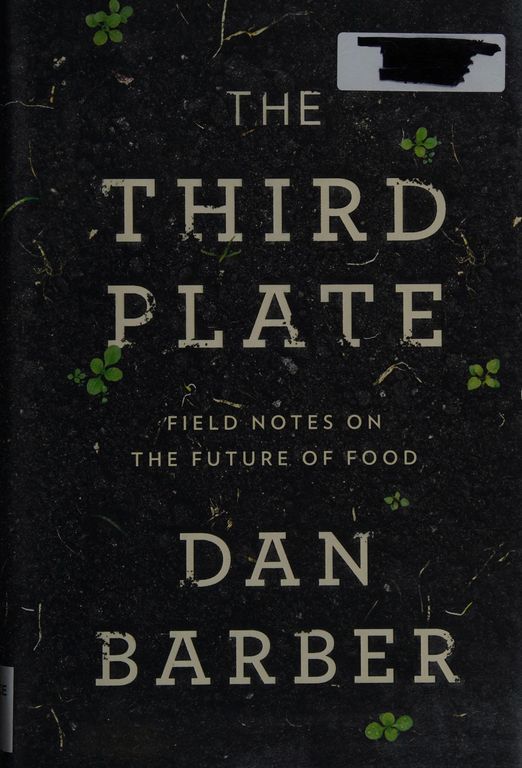
Nova: Exactly. And to guide us, we have two absolute titans in this space. First, we'll explore the groundbreaking work of Dan Barber, a chef who literally revolutionized his approach to cuisine, as captured in his book, "The Third Plate." Barber, for those unfamiliar, is a renowned chef, and his book challenges conventional thinking about food, advocating for a sustainable and flavorful approach that truly respects ecological systems.
Atlas: It’s interesting how a chef, someone so focused on flavor and experience, can also be a pioneer in ecological thinking. It makes you wonder if the best solutions often come from unexpected corners.
Nova: Absolutely. And then we'll turn to the investigative genius of Michael Pollan, whose seminal work, "Omnivore's Dilemma," really pulls back the curtain on the origins of our food. Pollan, a master of narrative nonfiction, explores everything from industrial agriculture to foraging, forcing us to confront the environmental and ethical implications of every bite we take. This book sparked a massive cultural conversation upon its release and continues to be incredibly relevant.
Atlas: Right? That book really made waves, and for good reason. It’s hard to ignore the broader implications once someone like Pollan lays them out so clearly. So, we're essentially looking at conscious cooking not just as a personal choice, but as a lever for planetary health.
The Philosophy of Sustainable Eating: Beyond Vegetarianism
SECTION
Nova: Precisely. And let's kick off with Dan Barber's "The Third Plate" because it fundamentally reframes what sustainable eating can even mean. He argues it's not simply about omitting meat, but about eating a healthy, integrated ecosystem.
Atlas: Wait, so it's not just about swapping a steak for a veggie burger? That sounds a lot more complex than a simple diet change. For someone trying to make impactful choices, how does this 'ecosystem' approach actually translate to a grocery list? I imagine a lot of our listeners are thinking, "Okay, great philosophy, but what do I?"
Nova: That’s a fantastic question, and it’s where Barber’s genius as a chef comes in. He spent years at his restaurant, Blue Hill at Stone Barns, realizing that the conventional plate—protein as the star, surrounded by side dishes—was inherently unsustainable. He flipped it. The 'third plate' is one where the menu is dictated by what the land to produce sustainably. Think about it: a farmer might grow a specific grain to enrich the soil, or a certain legume because it fixes nitrogen. Barber says, 'Let's make the star.'
Atlas: So, the ingredients aren't just chosen for taste, but for their contribution to the entire ecological cycle. That sounds almost like a designer approach to farming and cooking. But how does that scale? Is this just for high-end restaurants, or can this philosophy genuinely inform broader sustainable business practices, like for our listeners in more corporate settings who are thinking about ethical supply chains?
Nova: It’s scalable in its philosophy, if not always in its exact execution. Barber's point is that if consumers, and by extension, businesses, begin to value these 'whole system' ingredients—the grains, the cover crops, the underutilized parts of an animal—then farmers will have an economic incentive to produce them. It shifts demand. He's not just selling a dish; he’s selling a about responsible agriculture. It’s about changing the of eating, not just individual recipes. It's about conscious consumption, which resonates deeply with anyone driven by purpose and wanting to make an ethical impact. The book received widespread critical acclaim for its innovative perspective, really pushing the boundaries of what 'farm-to-table' could mean.
Atlas: That gives me chills. So, it’s not about restriction, but about unlocking a deeper, more intentional relationship with our food system. I can see how that mindset could easily be transferred to other areas of business, looking at the entire lifecycle of a product or service.
Unpacking the 'Omnivore's Dilemma': Tracing Our Food's Footprint
SECTION
Nova: And speaking of culture and impact, that naturally leads us to Michael Pollan's "Omnivore's Dilemma," which really rips open the curtain on our food truly comes from, and the environmental and ethical weight each choice carries. Pollan takes us on this incredible journey, tracing food back to its industrial, organic, and even hunter-gatherer origins.
Atlas: I know that book is widely acclaimed and really changed a lot of conversations, prompting a lot of us to think differently. But what's the most surprising 'aha!' moment Pollan uncovers for someone who already considers themselves quite conscious about their food? What's the hidden truth that still shocks people?
Nova: For many, it’s his deep dive into industrial corn. Pollan meticulously shows how corn, in its various forms—high-fructose corn syrup, corn-fed beef, corn oil—permeates almost everything we eat. It’s not just in the obvious places like soda; it's the foundation of industrial meat production, it's used in processed foods, even in things you wouldn't expect. And the profound environmental costs of this monoculture system—the pesticides, the fertilizers, the fossil fuels required to produce and transport it—are staggering. It’s an invisible subsidy of cheap, unhealthy food that has massive ecological consequences.
Atlas: So, the 'dilemma' isn't just 'what should I eat,' but 'what am I supporting with my dollar?' That's a powerful thought for someone who wants to build for impact, who wants to align their choices with their values. How does understanding these hidden costs help someone strategically build a more sustainable future, not just personally, but perhaps even professionally, in their own advocacy?
Nova: It's about empowerment, not guilt. For the analytical innovator, understanding these complex supply chains allows for strategic intervention. Knowing the true cost of industrial food drives demand for alternatives, supports regenerative agriculture, and influences corporate sourcing decisions towards more ethical and sustainable options. It’s about connecting the dots between your plate and the planet. It's about aligning your personal ethics with your professional actions, which is a core tenet of being a 'Conscious Contributor.' This knowledge becomes a tool for building a better future.
Atlas: I can see that. It's about asking the right questions, even when the answers are uncomfortable. It’s about building for impact, just like the user profile suggests.
Synthesis & Takeaways
SECTION
Nova: Absolutely. If we synthesize these two incredible books, Barber gives us a visionary blueprint for to eat sustainably, rooted in ecological harmony and flavor. Pollan, on the other hand, reveals the urgent and the current challenges, exposing the hidden complexities of our food system. Both point to a holistic approach where food choices are deeply intertwined with ecological health, community, and personal values.
Atlas: It really does feel like a healing moment, as the content puts it, when your kitchen choices align with your broader ethical commitments. So, for our listeners, the 'Analytical Innovator' who wants to apply this practically, what's a 'tiny step' they can take this week that isn't overwhelming but truly impactful?
Nova: I love that question. The tiniest step, but a powerful one, is to choose one new vegetarian ingredient or cooking technique to experiment with this week. And here’s the crucial part: focus on its seasonality and local availability. That simple act reconnects you directly to the Barber-esque 'third plate' philosophy—eating with the ecosystem in mind.
Atlas: That’s a great way to put it. And the 'Deep Question' from the content asks: How can your passion for sustainable vegetarian cuisine inform and inspire your professional advocacy for sustainable business practices? That's a heavy one. What's one thought you'd leave listeners with to ponder on that?
Nova: I'd say, the same analytical rigor and ethical compass you apply to choosing what goes on your plate – understanding its origins, its impact, its true value – apply that same lens to your business decisions. Food is just one microcosm of a larger system. Your personal choices are a powerful training ground for your professional advocacy, a way to hone your conscious contributor muscles.
Atlas: That's a fantastic way to frame it. Our food choices aren't just personal; they're a blueprint for how we engage with the world and build a better one.
Nova: Absolutely. It's about nourishing body and planet, one conscious choice at a time.
Atlas: Couldn't agree more. This has been a truly insightful discussion, Nova.
Nova: Thanks for joining us. This is Aibrary. Congratulations on your growth!