

Mastering the Narrative: Inspiring Action Through Story
Golden Hook & Introduction
SECTION
Nova: Atlas, if I say "inspiration," what's the first image that pops into your head? A motivational speaker on a stage? A soaring eagle?
Atlas: Oh, man, usually it’s a perfectly curated Instagram feed with a quote in a fancy font. Or maybe a CEO giving a TED Talk about disrupting an industry. Why, what’s yours?
Nova: See, that’s exactly where we often get it wrong. What if I told you that true inspiration, the kind that moves mountains and builds empires, isn't about grand gestures or perfectly polished speeches? It's actually woven into the very fabric of how we communicate, how we understand ourselves, and how we connect with others.
Atlas: Hold on, so you’re saying it’s not about the "what" you say, but the "how" you say it? That sounds almost too simple for something as powerful as inspiration.
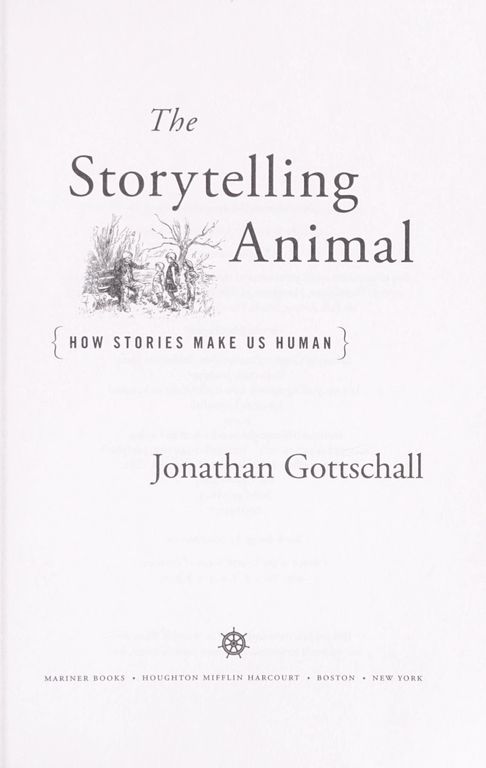
Nova: It’s deceptively simple, but profoundly powerful. And today, we’re unpacking the blueprint for exactly that. We’re diving into the undeniable power of narrative, drawing insights from two incredible books: Jonathan Gottschall’s "The Storytelling Animal: How Stories Make Us Human" and Carmine Gallo’s "The Storyteller's Secret."
Atlas: Ah, Gottschall, the literary scholar who delves into why stories are fundamental to our existence. And Gallo, who’s all about the practical application for leaders and brands. A great pairing!
Nova: Absolutely. Gottschall, a professor of English, really makes the case that our brains are wired for narrative. He argues that stories aren't just entertainment; they're our primary tool for navigating the world, understanding complex social dynamics, and even practicing for real-life scenarios in a safe space. It's a deep dive into the very evolutionary purpose of storytelling.
Atlas: That makes me wonder, so Nova, when you say "wired for narrative," are we talking about something deeper than just liking a good movie?
Nova: Much deeper. Think about it: from the earliest cave paintings to the latest Netflix series, humans have always been storytellers. Gottschall posits that our minds are essentially "storytelling machines," constantly creating narratives to make sense of chaos, to predict outcomes, and to derive meaning. He even suggests that our dreams are just stories we tell ourselves while we sleep!
Atlas: Whoa, so even my weird dream about trying to pay for groceries with a pet ferret is my brain trying to make sense of something? That’s wild.
Nova: Exactly! It reveals a fundamental human need. And this need isn't just passive; it's active. Stories are how we persuade, how we teach, how we learn, and critically, how we inspire. It’s not just about conveying information; it’s about conveying meaning and emotion within a memorable framework.
Atlas: That’s a great way to put it. For anyone leading a team or trying to get buy-in on a new strategy, just throwing facts and figures at people often falls flat. You need that emotional hook.
Nova: Precisely. And that brings us to our first core insight: The profound, almost primal, human connection to narrative.
The Primal Connection to Narrative
SECTION
Nova: Gottschall argues that stories are not a luxury; they’re a necessity. They are the evolutionary advantage that allowed us to transmit knowledge, build communities, and even develop empathy. When you listen to a story, your brain activity mirrors the storyteller’s. Your mirror neurons are firing, you’re experiencing the emotions, the challenges, the triumphs as if they were your own.
Atlas: So when I hear a compelling story about a team overcoming an impossible deadline, I'm not just hearing facts; I'm physiologically experiencing a version of that struggle and triumph. That’s powerful.
Nova: It’s incredibly powerful. And this is where Carmine Gallo steps in, taking that fundamental understanding and showing how to wield it. Gallo, drawing on his background as a communications coach and author, really emphasizes that effective leaders, innovators, and brands don't just present data; they tell stories that resonate. He gives practical advice, using examples from figures like Steve Jobs, Martin Luther King Jr., and even brands like Apple and Starbucks, to illustrate how compelling narratives can transform an audience's perception and drive action.
Atlas: That makes sense. It’s about more than just presenting information. It’s about making someone the information.
Nova: Exactly. Think about how a great movie or book pulls you in. You’re not just watching characters; you’re them. You’re invested in their journey. Gallo's point is that the same principles apply in a business meeting, a sales pitch, or even a casual conversation with your team.
Atlas: But wait, how does someone like, say, a strategist presenting quarterly numbers, suddenly become a master storyteller? We’re not all screenwriters here.
Nova: And that's the beauty of it! You don't need to be. Gallo breaks it down into actionable steps. One key takeaway from his work is that every message, no matter how dry, has a story embedded within it. You just have to find it and frame it. He talks about three types of stories: internal, external, and visionary.
Atlas: So, for a strategist, it might be telling the story of how a previous quarter's challenge was overcome, or the journey of a client who found success using their product.
Nova: Precisely. It’s about illustrating the 'why' behind the 'what.' Before you present the new efficiency protocol, tell the story of the frustration it’s designed to alleviate. Before you roll out a new product, tell the story of the customer whose life it will change. This isn't about manipulation; it's about connection and meaning.
Atlas: That’s actually really inspiring. It means anyone can do this. It’s not just for the naturally charismatic. But it still feels like a big leap for someone who's used to just delivering facts.
Crafting Your Story for Their Success
SECTION
Nova: And that brings us to our second core insight: the practical art of weaving your story into their success. It's about empowering your team by connecting your journey to their purpose. One of Gallo's most powerful ideas is that the best stories are often personal. They reveal vulnerability and authenticity.
Atlas: Oh, I get that. When a leader shares a personal struggle, it immediately makes them more human, more relatable. It builds trust.
Nova: Exactly. Gottschall’s research shows us that works on a deep level: stories allow us to simulate social situations. When a leader shares a personal anecdote, the team is, in a way, running a simulation of that leader’s experience. They gain insight, empathy, and a sense of shared humanity.
Atlas: So it's not just about the leader looking good, but about creating a shared experience that strengthens the collective.
Nova: Absolutely. Think about the user profile we’re speaking to today. Someone who seeks to inspire, who is practical, and who is driven by collective success. For them, embracing vulnerability and sharing their personal journey isn’t a weakness; it’s a superpower. It strengthens their influence.
Atlas: That’s a powerful reframe. So, instead of just saying "we need to hit these Q3 targets," a leader might tell a story about a previous time they faced a daunting challenge, how they felt, what they learned, and how they ultimately succeeded.
Nova: That's a perfect example. And Gallo would add that the story needs to have a clear beginning, middle, and end, with a protagonist, a challenge, and a resolution. It’s the classic hero's journey, adapted for the boardroom or the workshop floor.
Atlas: So, for our listener, a tiny step before their next team meeting could be to identify one key message and then brainstorm a personal anecdote or case study that illustrates its 'why' before presenting the 'what' or 'how.'
Nova: Precisely. Instead of just presenting the new project timeline, tell the story of this project matters, what problem it solves, and how it connects to the team's bigger mission. Make it vivid. Make it human.
Atlas: That’s a deep question: How can you weave your personal journey and the team's collective purpose into a compelling story that ignites shared passion and commitment? It’s not just about telling story, it’s about telling the story.
Nova: And the right story is always about connection. It's about finding the common ground, the shared values, the collective aspiration. When you tell a story, you're not just speaking to individual minds; you're speaking to a collective heart. You're creating a shared reality, a shared purpose.
Synthesis & Takeaways
SECTION
Nova: What we’re really talking about today is moving beyond just transmitting information to truly inspiring action. It's recognizing that beneath all the data and strategy, humans are driven by meaning, by emotion, and by connection.
Atlas: So it’s about acknowledging that our brains are built for stories, as Gottschall shows us, and then intentionally using that knowledge, as Gallo teaches, to create narratives that don't just inform, but transform.
Nova: Absolutely. The profound insight here is that inspiration isn't a mystical quality; it's a skill. A skill rooted in understanding our innate human wiring for narrative. When you master that, you don't just lead; you resonate. You don't just manage; you ignite.
Atlas: And it’s not about being a showman, but about being authentic and vulnerable. It’s about connecting your personal journey to the collective purpose, allowing your team to see themselves in your story and find their own passion ignited.
Nova: It's about remembering that at the end of the day, people don't just want facts; they want to be part of a meaningful story. And as a leader, you have the power to be the chief storyteller of that narrative.
Atlas: That’s such a hopeful and empowering message. It makes leadership feel less like a burden of responsibility and more like an opportunity for profound connection.
Nova: And that, Atlas, is the true secret to mastering the narrative. This is Aibrary. Congratulations on your growth!