

Storytelling for Leaders: Communicating Vision and Impact
Golden Hook & Introduction
SECTION
Nova: Atlas, if I told you that the secret weapon in every truly impactful leader's arsenal wasn't their data sheets, or their quarterly reports, but something far more ancient and deeply human, what would you say?
Atlas: Oh, I'd say you're probably talking about something that makes the engineers in our audience roll their eyes a little, but the heart of every human being lean in. Are we talking about... magic?
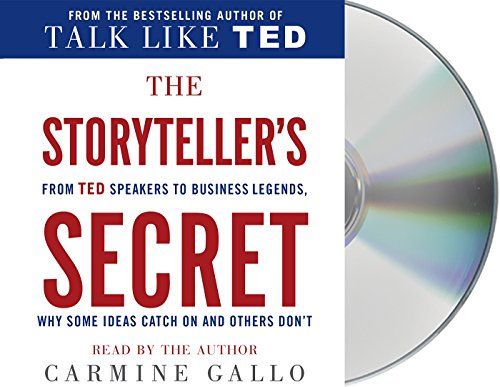
Nova: Closer than you think, but it's not magic in the mystical sense. We're talking about the profound, often underestimated power of storytelling. Today, we're diving into "The Storyteller's Secret" by Carmine Gallo, a highly acclaimed author known for deciphering the communication styles of the world's most influential figures. Gallo, a former CNN anchor, really brings a journalist's eye to why certain messages just and others fade into the background noise.
Atlas: Oh, I like that. Because for anyone trying to lead, trying to get a vision across, it often feels like you're just screaming into the void, right? You've got the facts, you've got the figures, but the resonance just isn't there.
Nova: Exactly. And Gallo, through his work, unpacks why some of the most complex ideas, from tech innovations to social movements, manage to captivate millions, while equally brilliant ones languish. It’s all about the narrative.
Atlas: So you're saying that even for, let’s say, a strategic engineer who optimizes systems, or a leader building the next big thing, the spreadsheets only get you so far? That the actual of the system, the behind the innovation, is what truly moves people?
Nova: Precisely. And that naturally leads us to our first core idea: the sheer resonance of narrative.
The Resonance of Narrative – Beyond Data
SECTION
Nova: Gallo argues that strategic leaders don't just present data; they tell stories that connect with people's emotions and values. Think about it: our brains are hardwired for stories. From the moment we were children, that's how we learned about the world, how we understood cause and effect, how we imbibed values.
Atlas: That makes sense. I imagine a lot of our listeners, especially those driven by efficiency and collective growth, might feel a slight resistance to this. They're thinking, "I'm a professional, not a bedtime storyteller."
Nova: And that's the common misconception. Gallo isn't suggesting you start your next board meeting with "Once upon a time." He's talking about a fundamental shift in how you frame information. He highlights how figures like Steve Jobs, Martin Luther King Jr., and even business leaders like Richard Branson, weren't just presenting products or policies; they were weaving narratives.
Atlas: Can you give an example? Because it's easy to say "tell a story," but what does that look like when you're, say, trying to get buy-in for a new project management system, or explain a complex engineering solution?
Nova: Absolutely. Consider the story of Dr. Mae Jemison, the first African American woman in space. When she speaks about her journey, she doesn't just list her degrees or her missions. She talks about being a little girl watching Star Trek, dreaming of going to space, and then working relentlessly to make that dream a reality. She connects with the behind scientific achievement.
Atlas: Wow, that’s actually really inspiring. So it’s not just about what you did, but the journey, the struggle, the you did it?
Nova: Exactly. Gallo breaks down how these narratives often include a protagonist – yourself, your team, or even your customer – facing a challenge, overcoming obstacles, and achieving a transformation. This structure creates empathy and makes the audience emotionally invested. It translates complex visions into actionable, memorable narratives that resonate on a much deeper level than a bullet-point list ever could.
Atlas: I can see how that would make a difference. Because when someone just throws facts at me, my brain is analyzing them, but when they tell me a story, my brain is it.
Nova: That's the power. Gallo emphasizes that while facts inform, stories. They create a shared emotional experience that data alone cannot. It's about translating the of your vision into the of its impact. Think of it as painting a picture with words, rather than just listing the colors.
Atlas: That’s a great analogy. So, for a leader trying to elevate their impact and shape the future, it’s not enough to a great future vision, you have to people how they fit into that story, how it will feel for them.
Nova: Precisely. And that ties into our second core idea: Your Persuasive Play. How do you actually this?
Your Persuasive Play – Practical Steps to Narrative Leadership
SECTION
Nova: So, understanding the behind narrative is one thing, but the is where the rubber meets the road. Gallo offers incredibly practical advice. He says, before your next presentation, identify the core message you want to convey. Then, instead of just listing facts, think about a personal anecdote or a real-world example that illustrates this message.
Atlas: Okay, so this is where the strategic engineer stops being just an engineer and starts being a communicator. But how do they find story? I imagine someone who optimizes systems might not immediately think of themselves as having a "story."
Nova: That’s a key challenge Gallo addresses. He encourages leaders to look for the "human element" in their work. For instance, if you're introducing a new, more efficient workflow, don't just present the 15% time-saving metric. Tell the story of a team member who was previously overwhelmed, struggling with deadlines, and how this new system transformed their daily experience, allowing them to innovate more, or even just go home on time more often.
Atlas: Oh, I see. So it’s about making the abstract benefit tangible and personal. It’s not just about the efficiency, but the of that efficiency on a person's life or a team's morale.
Nova: Exactly. Gallo provides frameworks for this, often emphasizing the "hero's journey" structure in a business context. Your customer is the hero, facing a problem. Your product or solution is the guide that helps them overcome it. Or, internally, your team is the hero trying to achieve a goal, and your leadership is helping them navigate the challenges.
Atlas: That’s actually really powerful. It helps shift the focus from "what I'm selling or telling" to "what problem I'm solving for you." So for leaders who are driven by progress and care about collective growth, this isn't just a soft skill; it's a strategic imperative for team empowerment.
Nova: It absolutely is. And Gallo illustrates this through countless examples, from entrepreneurs pitching their startups to CEOs rallying their employees around a new vision. He shows that the most successful communicators don't just speak, they. They use vivid language, analogies, and emotional appeals to make their audience the message, not just intellectually process it.
Atlas: So basically, you’re saying that if I want to empower my team, if I want to multiply my effectiveness, I need to start thinking less like a data analyst and more like a dramatist?
Nova: A dramatist with a clear objective, yes! It's about crafting a narrative that not only informs but inspires action. It's about translating your vision into a story that others can see themselves in, a story that motivates them to join you in shaping the future. It’s about making the abstract impact of your work profoundly human.
Synthesis & Takeaways
SECTION
Nova: So, Atlas, what’s the big takeaway here for our listeners, especially those strategic minds who are always looking to optimize and grow?
Atlas: I think it’s this: your insights valuable, but their value is unleashed when they’re wrapped in a narrative. Trust your vision, but also trust the power of a well-told story to make that vision resonate. It’s a tiny step, as Gallo suggests, to just think of one anecdote for your next presentation, but that tiny step can unlock massive impact.
Nova: Absolutely. The core of our discussion today is really an exploration of how the most effective leaders don't just command, they captivate. They don't just inform, they inspire. And they do this by harnessing the timeless power of storytelling. It’s about understanding that while data provides the facts, stories provide the meaning. And meaning is what moves people to act, to innovate, and to build the future you envision.
Atlas: That gives me chills, Nova. It’s such a hopeful way to look at it – that our ability to connect, to empower, and to lead with true impact, lies not just in our logic, but in our humanity.
Nova: Indeed. The ability to craft compelling narratives is not just a skill for public speakers; it’s an essential tool for anyone aiming to lead, to influence, and to drive meaningful change in any field. It’s how you get your ideas to not just catch on, but to truly.
Atlas: This is Aibrary. Congratulations on your growth!