

The Growth Ceiling: Why Your Network is Your Net Worth in Disruptive Markets
Golden Hook & Introduction
SECTION
Nova: Forget what you think you know about competition. In today's most disruptive markets, your biggest threat isn't your rival. It's working alone.
Atlas: Whoa. That's a pretty bold claim, Nova. I mean, we're constantly told to focus, to build our unique value proposition. Are you saying that's... wrong?
Nova: Not wrong, Atlas, but incomplete. Hugely incomplete. We’re diving into why scaling an innovative real estate venture often hits a ceiling if you rely solely on internal resources. It's a cold, hard fact that strategic partnerships and a robust network are not just beneficial; they are absolutely essential for accelerating growth and accessing new opportunities.
Atlas: I can definitely relate to that feeling of hitting a wall, especially when you're pushing boundaries in new areas like sustainable development or disruptive tech. It feels like you need ten different experts just to get one project off the ground.
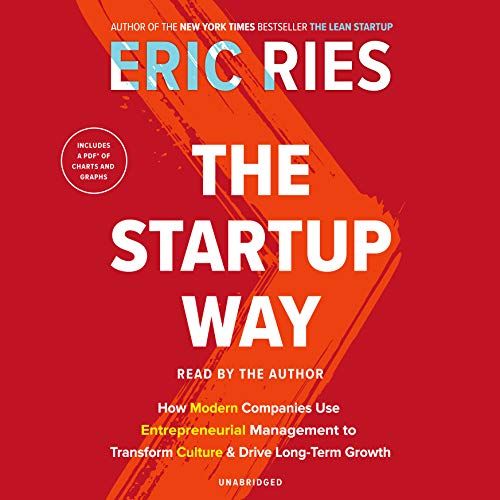
Nova: Exactly! And today, we're going to unpack that. We're drawing insights from two titans of business strategy: "The Startup Way" by Eric Ries, who first revolutionized how we think about product development with his Lean Startup methodology, and "Blitzscaling" by Reid Hoffman and Chris Yeh. Hoffman, of course, co-founded LinkedIn, and with Yeh, he codified the aggressive, rapid growth strategies of Silicon Valley's most successful tech giants.
Atlas: So we're talking about a fundamental shift from isolated innovation to building interconnected systems. I'm curious how these tech principles apply to something as tangible and often slow-moving as real estate.
Nova: That’s the magic, Atlas. We're going to explore why relying solely on internal resources creates an inevitable growth ceiling. Then, we'll discuss how to strategically 'blitzscale' your network to achieve massive, impactful expansion.
The Network Imperative: Breaking the Growth Ceiling
SECTION
Nova: Let's start with this core problem: the growth ceiling. Imagine a brilliant real estate innovator, let's call her Anya, who has developed an incredible modular, energy-efficient housing prototype. It’s affordable, sustainable, and looks fantastic. She has a small, dedicated internal team, a fantastic architect, a savvy finance person, and a brilliant engineer. They’re all internal, all under her direct control.
Atlas: Sounds like a dream team on paper, right? The kind of focused, agile unit an innovator would want. You'd think that would be enough to conquer the market.
Nova: You'd think. But Anya hits a wall. She can build a few prototypes, maybe even a small community. But when it comes to scaling to multiple cities, navigating vastly different local regulations, securing massive land deals, or finding specialized suppliers for her unique materials at scale, her internal team simply doesn’t have the bandwidth or the diverse expertise.
Atlas: So, the "brilliant internal team" isn't broad enough. It’s like trying to win a marathon with only sprinters. They're fast, but they don't have the endurance for the full course.
Nova: Precisely. The complexity of modern real estate, especially with disruptive technologies, demands an ecosystem of knowledge and resources. Anya needs a network of environmental consultants who understand cutting-edge sustainable certifications, legal teams specializing in multi-jurisdictional development, even local community organizers to ensure buy-in for her projects. These aren't roles you keep in-house for every single project.
Atlas: That makes me wonder, though, isn't there a risk of losing control when you bring in so many external partners? As a strategist, I'm always thinking about maintaining vision and quality.
Nova: That's a crucial point, Atlas. This isn't about outsourcing your core vision. It's about strategically extending your capabilities. Eric Ries, in "The Startup Way," talks about how even large organizations need to foster innovation by creating internal external networks. The external network provides a constant influx of new ideas, specialized skills, and crucial market feedback that an isolated internal team simply cannot generate.
Atlas: So, the hidden cost of isolation isn't just missed opportunities; it's also a lack of continuous innovation. It’s like your internal team gets so good at solving problems, they stop seeing the problems emerging outside their bubble.
Nova: Exactly! In Anya's case, an external network might have connected her with a city innovation lab that's already piloting drone-based land surveying, or a venture capital firm specializing in green tech infrastructure. These connections aren't just about resources; they're about accelerating learning and de-risking new ventures. You're not just getting a partner; you're gaining access to their entire network and knowledge base.
Atlas: That’s going to resonate with anyone who struggles with resource constraints. It feels like you're constantly trying to push a boulder uphill by yourself. What you’re suggesting is that you need to find others to help you push, or even better, find a system to move the boulder for you.
Blitzscaling Networks: Engineering Rapid, Sustainable Growth
SECTION
Nova: That naturally leads us to the second key idea: once you understand networks are vital, the next step is to build and leverage them for rapid, impactful growth. This is where "Blitzscaling" comes in. Reid Hoffman and Chris Yeh argue that in rapidly growing markets, speed often trumps efficiency in the early stages.
Atlas: "Speed over efficiency" sounds quite risky, especially in real estate where projects are long-term and capital-intensive. You can't just move fast and break things when you're building physical structures.
Nova: It’s not about being reckless, Atlas. It's about. For a real estate innovator, blitzscaling means strategically using networks to achieve massive scale quickly. Think about a company, let's call them "EvoBuild," that wants to revolutionize affordable housing using 3D-printing technology.
Atlas: Okay, a 3D-printed housing startup. Super disruptive. High potential, but also high risk and huge capital requirements.
Nova: Precisely. Instead of building their own massive 3D printer factories and hiring all the engineers, they partner with existing industrial manufacturers who have the infrastructure. They collaborate with universities on material science research, and they secure early pilot projects with forward-thinking municipalities who are eager for sustainable, rapid housing solutions.
Atlas: So, EvoBuild is leveraging the existing infrastructure and expertise of others, rather than building everything from scratch. It’s like they’re connecting existing dots to draw a new, much bigger picture, much faster.
Nova: That’s a perfect analogy. Hoffman and Yeh emphasize that the goal of blitzscaling is to achieve dominant market share quickly, and networks are the vehicle. EvoBuild isn't just getting access to manufacturing capacity; they're getting the manufacturer's supply chain expertise, their existing safety protocols, and their established distribution channels.
Atlas: I'm curious, how do you ensure these quick partnerships are sustainable and not just transient? For someone involved in advanced negotiation tactics, securing these deals for lasting value seems critical.
Nova: That's where the "smart" in "smart aggressive expansion" comes in. It requires clear alignment on vision and incentive structures where everyone benefits from the rapid growth. Ries's "The Startup Way" also talks about fostering a culture of experimentation and learning, both internally and externally. These partnerships are not just transactional; they are often iterative, evolving as the market does. EvoBuild might initially partner with a manufacturer for a pilot, then scale up, then co-develop new materials.
Atlas: So, it's about building trust and shared goals, not just signing a contract. It's about engineering interconnected systems, as Nova's Take puts it, that amplify your impact and reach. It sounds like a profound shift from a siloed approach to a deeply collaborative one.
Nova: It absolutely is. It's recognizing that in a world of disruptive technologies, no single entity has all the answers or all the resources. The power lies in the connections.
Synthesis & Takeaways
SECTION
Nova: So, what we've really been talking about today is this fundamental truth: your network truly is your net worth, especially when you're trying to innovate and scale in unpredictable, disruptive markets. It’s about understanding that the growth ceiling isn't an external barrier; it's often a self-imposed limit from trying to do it all yourself.
Atlas: And the solution isn't just "networking" in the traditional sense of collecting business cards. It's about strategically engineering these interconnected systems, as you said, Nova, using principles from Eric Ries and Reid Hoffman to enable rapid, impactful growth. It’s about prioritizing those crucial collaborations that accelerate your vision, whether it's in sustainable development or future-proofing with disruptive tech.
Nova: Exactly. It's about asking, "Who else needs this vision to succeed as much as I do, and how can we build it together?" The "Tiny Step" we often recommend is incredibly powerful here: Identify one key area where your project is resource-constrained. Then, brainstorm three potential partners who could fill this gap and expand your network.
Atlas: That’s a practical, actionable step that anyone can take right now. It's not about dreaming bigger; it's about connecting smarter. Because ultimately, the biggest impact, the most innovative solutions, and the most resilient ventures are built not by individuals working in isolation, but by a vibrant, interconnected community.
Nova: Absolutely. It's about building for the future, creating lasting value, and securing your vision through the power of collective intelligence and shared ambition. This is Aibrary. Congratulations on your growth!