Stop Selling, Start Connecting: The Guide to Deep Client Loyalty.
Golden Hook & Introduction
SECTION
Nova: Atlas, what’s the absolute worst sales pitch you've ever endured? The kind that makes you want to crawl under a rock?
Atlas: Oh, that's easy. Anything that starts with 'As a valued customer...' and immediately pivots into a monologue about a product I neither need nor want. It’s truly an art form, but not the good kind. It feels less like a conversation and more like an ambush.
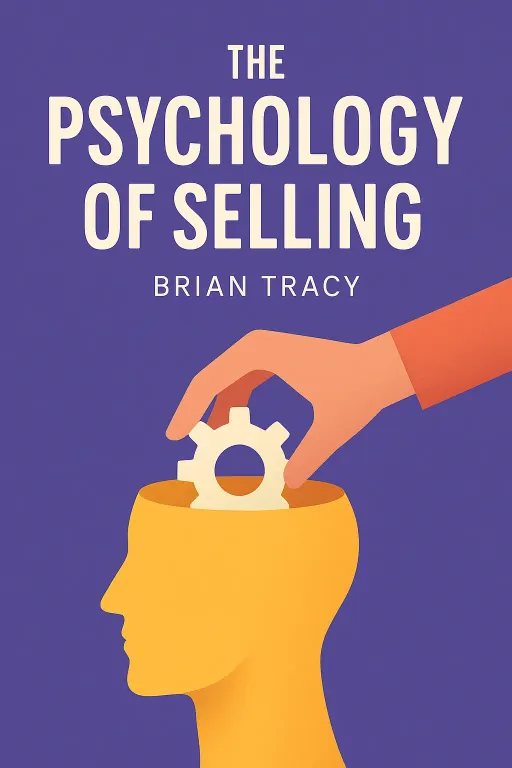
Nova: Exactly! That feeling, that instinctual pushback, is precisely what our book today, 'Stop Selling, Start Connecting: The Guide to Deep Client Loyalty,' is all about. It’s not just a title; it's a paradigm shift, heavily influenced by sales psychology titans like Brian Tracy.
Atlas: Brian Tracy? He’s a legend in the sales world, but I always thought of him more for his direct, results-driven approach. How does he fit into 'stopping selling' and 'starting connecting'?
Nova: That’s the beauty of it. Tracy, who famously started with nothing and built multiple million-dollar businesses, observed early on that the most effective selling wasn't about pushing products, but about understanding people. He really demystified the psychology behind successful sales, showing that it’s less about manipulation and more about genuine human understanding. Today we'll dive deep into this from two perspectives. First, we'll explore the emotional and psychological underpinnings that drive true client loyalty, then we'll discuss the ethical influence tactics and radical listening practices that forge these invaluable connections.
The Emotional Core of Client Loyalty
SECTION
Nova: So, that 'walking wallet' feeling you mentioned, Atlas? It stems from a fundamental misunderstanding of human psychology in sales. The book, drawing on insights from Tracy, argues that people don't buy products; they buy solutions to their problems, or rather, they buy the of having their problems solved.
Atlas: Oh, I like that. So it’s not really about the specs of the product, but how it makes them feel about themselves, or how it improves their life?
Nova: Precisely. Tracy emphasizes that people buy based on emotion, then justify with logic. Think about someone buying a luxury car. Are they buying it because of its superior fuel efficiency or unparalleled safety features?
Atlas: Not primarily, no. They’re buying the status, the feeling of success, the thrill of driving something powerful, or maybe even the sense of security for their family. The logic comes in after the emotional decision is made. "Well, it have great resale value, and the safety ratings are top-notch!"
Nova: Exactly. The logic is the rationalization, the permission slip they give themselves the emotional hook. The book argues that true growth comes from businesses that understand these deeper, often subconscious, emotional drivers. It’s about understanding what truly moves people, what deep-seated desires or fears a client holds.
Atlas: But wait, how does a business tap into those emotions ethically? Isn't there a fine line between understanding a client's emotional needs and, well, manipulating them? Because I imagine a lot of our listeners, especially those who value genuine engagement and making an impact, would balk at the idea of emotional manipulation.
Nova: That’s a critical distinction, and it’s where the 'connecting' part comes in. It’s not about tricking someone into buying something they don't need or want. It’s about genuinely aligning your offerings with their authentic desires and needs. If you're selling a premium beauty product, for instance, you're not just selling a cream; you're selling the feeling of confidence, self-care, or even a moment of peace in a hectic day. The ethical approach means understanding that desire and transparently showing how your product fulfills it, rather than creating a false need.
Atlas: So, it’s like a beauty brand recognizing that their clients aren't just looking for clearer skin, but for the confidence that comes with it, or a moment of calm in their routine. And then they communicate how their product helps achieve that feeling, not just the physical outcome.
Nova: Exactly. It's about speaking to that deeper human desire for self-improvement, for well-being, for connection. That’s why genuine human connections build loyalty that withstands market shifts. When you connect with someone on that level, they don't just buy your product; they buy into and. They become advocates.
Ethical Influence & Active Listening: The Path to Connection
SECTION
Nova: And that naturally leads us to the second key idea, which is how we ethically forge those connections. This is where Robert Cialdini's work, 'Influence: The Psychology of Persuasion,' becomes incredibly insightful. Cialdini reveals six universal principles of influence, like reciprocity and scarcity.
Atlas: Okay, so Cialdini’s principles – things like doing something for someone so they feel inclined to do something back, or highlighting limited availability. How do these become tools for engagement rather than just clever sales tactics? Because you can definitely use scarcity to create artificial pressure.
Nova: You absolutely can, and that’s the manipulation trap. But the book emphasizes Nova's Take: ethical selling isn't about tricking people. It's about aligning your offerings with genuine human desires and building trust through transparent communication. Take reciprocity. If you genuinely provide value upfront – say, a free consultation that actually helps someone, or high-quality educational content – then a client is more likely to feel a genuine desire to work with you, not because they’re pressured, but because you've already demonstrated your value and generosity.
Atlas: Ah, I see. So it’s not giving a tiny, useless gift with the expectation of a massive return. It’s about providing substantial, authentic value first, which naturally builds trust and goodwill. That’s going to resonate with our listeners who are conscious creators and innovators, focused on making a meaningful difference.
Nova: Precisely. And scarcity can be ethical too. If you genuinely have a limited capacity for bespoke services, or a truly unique, high-quality product that takes time to create, then communicating that authentic scarcity is transparent. It tells the client about the value and exclusivity of what you offer, rather than inventing false urgency.
Atlas: That makes sense. It’s about communicating reality, not creating a perception. But how does active listening fit into all of this? Because understanding someone’s emotional drivers and applying ethical influence sounds great on paper, but if you’re not truly listening, you’re just guessing.
Nova: You've hit on the cornerstone of connection! Active listening is far more than just waiting for your turn to speak. It’s about focusing 80% on understanding their needs, their concerns, their aspirations, and only 20% on presenting your solution. It means asking open-ended questions, observing their body language, and reflecting back what you hear to confirm understanding.
Atlas: So, for someone in a high-stakes environment, always looking for impactful innovation, how do you practically implement that 80/20 rule? Because the temptation to jump in with solutions, especially if you know you have a great one, is incredibly strong.
Nova: It requires discipline, Atlas. It means asking, "What problem are you trying to solve?" or "What does success look like for you?" and then truly absorbing their answer, rather than immediately thinking, "Aha! My product can do that!" It's about uncovering the behind their request. When you listen deeply, you often discover solutions they hadn't even articulated, or you can tailor your offering in a way that truly resonates and builds a lasting connection. It transforms the interaction from a transaction into a collaboration.
Synthesis & Takeaways
SECTION
Nova: So, what we’re really talking about here is a profound shift from a transactional mindset to a relational one. It’s recognizing that at the heart of every business interaction is a human being driven by emotions and seeking genuine solutions. When you prioritize understanding those emotions and apply influence ethically, you don’t just make a sale; you build an advocate, a partner, a loyal client.
Atlas: That’s actually really inspiring. It redefines what 'selling' truly means, transforming it into something much more human and sustainable. It’s about building trust and making a meaningful difference, which I know our listeners deeply care about.
Nova: Exactly. And the tiny step you can take this week to start implementing this? Identify just one client interaction. For that interaction, focus 80% on listening and understanding their needs, and only 20% on presenting your solution. Atlas, what do you think that shift will reveal for people?
Atlas: I think it will reveal just how much we miss when we’re focused solely on our own agenda. It will show them the power of truly seeing and hearing another person, and how that simple act can fundamentally change the quality of their professional relationships, and honestly, even their personal ones. It’s about fostering genuine connection, one conversation at a time.
Nova: Absolutely. And that’s a powerful path to not just selling more, but connecting deeper.
Atlas: Agreed. And that’s how you stop selling and start connecting.
Nova: This is Aibrary. Congratulations on your growth!