

Uncovering Your Core Purpose
Golden Hook & Introduction
SECTION
Nova: Atlas, quick, first word that comes to mind when I say "purpose"!
Atlas: Ugh. Overwhelmed. Definitely overwhelmed.
Nova: Ha! And you, my friend, are not alone. That feeling of "overwhelmed" often comes from the sheer weight of expectation, or the sheer vagueness of the concept itself. But what if the secret to a truly fulfilling life isn't finding some grand, abstract passion, but understanding your deepest?
Atlas: That's a powerful reframe. I think many of us are out there, compass spinning, just trying to point it in the right direction. We're told to "find our purpose," but it often feels like looking for a needle in a cosmic haystack.
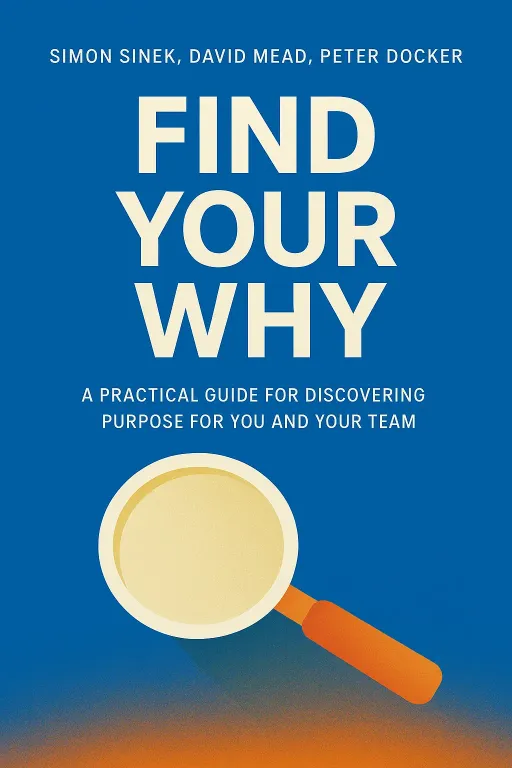
Nova: Exactly. And that's precisely why we're diving into some incredible insights today, starting with Simon Sinek's groundbreaking work, particularly his book "Find Your Why." Sinek, you know, is the visionary behind that incredibly popular TED Talk that introduced the world to the "Golden Circle" – the idea that inspired leaders and organizations start with. He basically flipped conventional wisdom on its head, showing us that people don't buy you do, they buy you do it.
Atlas: Right, I remember that. It was a huge moment for understanding leadership and branding. But how does that translate to me, or to our listeners, as individuals? We're not all running multinational corporations.
Nova: That's the beauty of it. Sinek's methodology is incredibly adaptable. It's a practical, step-by-step guide designed for anyone, from individuals to small teams, to articulate their personal purpose. It moves beyond just inspiration to actionable self-discovery. And to complement that, we'll also draw wisdom from Oprah Winfrey's "The Path Made Clear," which compiles diverse perspectives and personal stories from renowned thought leaders, illuminating the journey to identifying and fulfilling one's true calling. It's a rich tapestry of how people actually their why.
Atlas: So, it's not just about finding the North Star, but figuring out how to actually sail there, every single day. I like that. For anyone navigating a pivotal life stage, seeking clear direction and trying to make truly informed choices, this sounds like essential listening.
Nova: Absolutely. Today we'll dive deep into this from two perspectives. First, we'll explore the actionable process of articulating your 'why', then we'll discuss the crucial next step: integrating that purpose into your daily decisions and long-term career path.
The 'Why' Discovery: Moving from Inspiration to Action
SECTION
Nova: So, let's start with Sinek's core concept: The Golden Circle. Most of us operate from the outside in: we know we do, sometimes we do it, but rarely we do it. The "why" is your purpose, cause, or belief. It's the reason your organization exists, or the reason get out of bed in the morning. And Sinek argues that truly inspiring people and organizations start from the inside out. They communicate their first.
Atlas: Okay, so, for a company, that's clear. Apple's "why" isn't just to sell computers, it's to challenge the status quo, to think differently. Their "what" is computers. But how do I, as an individual, find "why"? It feels like such a monumental question.
Nova: That's where Sinek's method shines. He provides a roadmap. It's not about inventing a "why" but the one that's already within you. One of the most powerful techniques is what he calls "The Friends Exercise." You gather a few trusted friends or colleagues, people who know you well. You ask them to share specific stories of when they felt you were at your best, when you clearly demonstrated your unique value.
Atlas: That makes me wonder... isn't that just asking for compliments? Like, "Tell me how great I am"?
Nova: Not at all! It’s about looking for patterns and themes. Your friends aren't just saying "you're great," they're recalling where you did something that resonated with them, where you made a distinct impact. For example, maybe one friend recalls how you meticulously organized a chaotic project, bringing order to the madness. Another might remember how you always listened intently, making them feel truly understood. A third might highlight your ability to connect disparate ideas, sparking new solutions.
Atlas: I see. So, you're not looking for adjectives, you're looking for verbs and outcomes. The you had.
Nova: Precisely. You collect these stories, and then you look for the common threads. What was the you were making? What was the you had on others? From these patterns, you start to articulate your "why statement," which Sinek frames as: "To so that." For instance, "To inspire people to do the things that inspire them, so that, together, we can change our world." That's Sinek's personal "why."
Atlas: That's fascinating. It's like you're reverse-engineering your purpose from the evidence of your past actions, rather than trying to conjure it out of thin air. But what if those stories don't immediately jump out? What if someone feels like they haven't had those big, impactful moments?
Nova: That's a common concern, especially for someone feeling like they're navigating a pivotal life stage, seeking direction. The beauty is, these don't have to be grand, heroic gestures. They can be small, everyday interactions. The time you helped a colleague untangle a tricky problem, the way you organized a family event, the calm presence you offered a friend in distress. It’s about identifying the consistent thread of how you naturally contribute to the world around you. It often surfaces when you least expect it, in the quiet moments of reflection after those stories are shared. The key is active listening and a willingness to see yourself through others' eyes.
Living Your Why: Integrating Purpose into Decisions and Career
SECTION
Nova: So, let's say you've done the work. You've identified your "why." You have this clear, concise statement about your purpose. Now what? Because, let's be honest, finding it is one thing, but truly it, integrating it into every decision, especially in your career, is another challenge entirely.
Atlas: That's the million-dollar question, isn't it? For someone who cares about making informed choices and is looking for career growth, knowing your "why" is great, but how do you actually pay the bills while staying true to it? Does it mean quitting your job and becoming a monk?
Nova: Not at all! This is where Oprah's "The Path Made Clear" offers incredible wisdom, drawing from a multitude of voices who've grappled with this very question. It's about intentionality. It’s about using your "why" as a filter for every opportunity, every decision, big or small. Think of it like this: your "why" is your internal GPS. If a decision or opportunity doesn't align, your GPS warns you to reroute.
Atlas: Give me an example. How does that play out in a real-world scenario, especially for someone who might be in a job that doesn't align with their grand "why"?
Nova: Okay, let's imagine someone whose "why" is "To bring clarity to complex systems so that people feel empowered to make better decisions." They might be working as an accountant in a large corporation. On the surface, it might not seem like a direct match. But instead of feeling disengaged, they start asking: "How can I bring clarity to system? How can I empower my colleagues or clients to make better financial decisions?"
Nova: This person might then volunteer to simplify internal reporting, or develop a training module to help non-finance staff understand budgets, or even mentor junior colleagues to demystify complex tax laws. They're not changing their job title, but they're their "why" into their daily tasks, transforming their role from the inside out. Oprah's book is full of stories like this, where people found their calling not by abandoning their lives, but by re-imagining their contribution within them.
Atlas: That's actually really inspiring. It's about finding the leverage points within your existing circumstances, rather than waiting for a perfect, purpose-built role to magically appear. So it's about making conscious choices, even small ones, that nudge you closer to that core purpose.
Nova: Exactly. It's about recognizing that purpose isn't always a dramatic career pivot; it's often a series of micro-decisions. It's saying "yes" to projects that resonate with your "why," and learning to gracefully say "no" to opportunities that drain your energy or pull you away from your core values. It's about aligning your actions, your words, and your energy with that deepest sense of self. This approach helps quiet the noise and find focus, which is crucial for mental clarity.
Atlas: So it's not just about the big, long-term career planning, but also about the small, daily choices. Like, choosing which meeting to prioritize, or how you communicate with your team.
Nova: Precisely. And for long-term career planning, your "why" becomes the ultimate filter. Instead of chasing titles or salaries blindly, you're asking, "Does this next step allow me to express my 'why' more fully? Does it amplify my unique contribution?" It becomes a powerful tool for making informed choices that build a secure and fulfilling foundation for your future, both professionally and personally.
Synthesis & Takeaways
SECTION
Nova: What we've explored today is that the journey to purpose is a continuous loop of discovery and integration. It's not a finish line you cross and then you're done. It's an ongoing process of refining your understanding of your "why" and then courageously living it, day in and day out.
Atlas: It sounds less like a grand revelation and more like a muscle you build. You discover it, you exercise it, you get stronger at aligning your life with it. And that's going to resonate with anyone who's felt a deep desire for direction and clarity in their life.
Nova: It truly is. The profound insight here is that purpose isn't just about personal fulfillment, though it certainly brings that. It's about the unique contribution you are designed to make to the world, and how that contribution ripples outward, inspiring others, solving problems, and ultimately shaping a better collective future. It transforms your daily grind into meaningful progress.
Atlas: So, for someone listening right now, perhaps feeling that familiar overwhelm, or just seeking that next step, what's one small, tangible action they can take tomorrow to begin this journey?
Nova: Start by reflecting on those moments where you felt truly alive, truly fulfilled, truly impactful. Don't overthink it. Just jot down three instances where you felt you were at your best. Then, ask yourself: what was the underlying contribution you were making in those moments? What was the consistent thread? That's your first step towards articulating your "why." It's about embracing the journey of discovery, knowing that every question is a step forward.
Atlas: That's a great, actionable starting point. It grounds the grand idea of "purpose" into something manageable and reflective.
Nova: Absolutely. And remember, finding your why and living it are two sides of the same coin. They empower you to make informed choices and align your path with your deepest aspirations.
Atlas: A powerful reminder for us all.
Nova: This is Aibrary. Congratulations on your growth!









