

Pathways to Financial Independence and Lasting Wealth
Golden Hook & Introduction
SECTION
Nova: Atlas, five words. If you had to distill the entire journey to financial independence, what would they be?
Atlas: Oh, that’s a challenge! Hmm… Less flash, more spreadsheets, surprisingly.
Nova: "Surprisingly." I love that. My five words: systems, patience, insight, freedom, mindset. It’s funny how those two sets of words already hint at a fascinating conversation, isn’t it?
Atlas: Absolutely. "Less flash" and "systems" already feel like they’re dancing around the same truth. You’ve got my attention. What wisdom are we unearthing today?
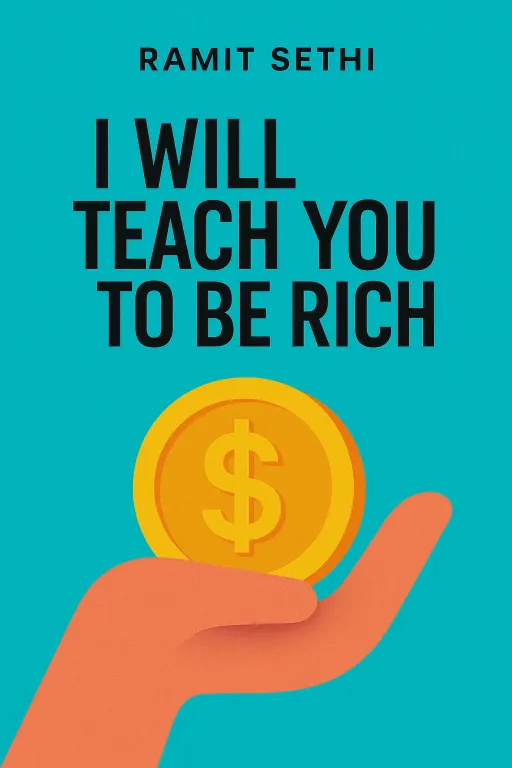
Nova: Well, today we’re diving into two incredibly influential books that, together, paint a comprehensive picture of how to build lasting wealth and achieve true financial independence. We're talking about Ramit Sethi’s "I Will Teach You To Be Rich" and Thomas J. Stanley and William D. Danko’s seminal work, "The Millionaire Next Door."
Atlas: Two absolute powerhouses. Sethi is known for his incredibly direct, no-nonsense approach, almost like a financial provocateur, which I appreciate. And "The Millionaire Next Door" completely shifted the conversation about wealth when it first came out, based on groundbreaking research.
Nova: Exactly. Sethi became a bestseller because he doesn't just give advice; he gives you a literal program. He challenges the traditional gurus and says, "Forget willpower, build a system." And Stanley and Danko's book is legendary because it was born from extensive, data-driven interviews with actual millionaires, revealing that most of them don't fit the flashy stereotype we’re often fed.
Atlas: Right, so these aren't just theories, these are blueprints backed by either a proven program or deep research. That resonates with anyone looking for actionable steps, not just abstract concepts.
The Power of Automated Systems and Conscious Spending
SECTION
Nova: Precisely. And that leads us perfectly into our first core idea, which comes largely from Sethi: the power of automated systems and conscious spending. Sethi's philosophy is pretty radical for many people because it says you don't need to cut out every single coffee or avocado toast. Instead, you build a "money machine" that works for you.
Atlas: Oh, I like that. A "money machine." But isn't it all about discipline and willpower? For those of us who pride ourselves on being resilient strategists, always pushing through challenges, automation almost feels like… cheating, or like we're giving up control.
Nova: That’s a brilliant point, Atlas, and it’s exactly what Sethi challenges. He argues that willpower is finite. You have a limited amount each day. Why waste it on constantly monitoring your spending or forcing yourself to save? He says, instead, you design a system where your money automatically goes where it needs to go. It's "set it and forget it."
Atlas: Okay, so give me a concrete example. What does this "set it and forget it" system actually look like? Like how do you even begin?
Nova: Think about it this way: the moment your paycheck hits your bank account, a series of automatic transfers kick in. A percentage goes to your 401k, another to your Roth IRA, then to your high-yield savings account for emergencies, perhaps another to a travel fund. All before you even see it. It’s like having a financial assistant who never sleeps and never judges your impulse buys.
Atlas: That makes sense. It takes the emotional labor out of it. So you're not constantly battling yourself. And what about this "conscious spending" piece? Because that sounds like it could easily fall back into the "deprivation" trap.
Nova: Not at all. Conscious spending is the opposite of deprivation. It's about intentionally deciding what you to spend money on and what you. For example, if you adore traveling, you might decide to cut back on expensive dinners out, not because you to, but because you to prioritize that travel fund. You're reallocating funds from things you don't truly value to investments that align with your long-term goals, whether that's a trip, a down payment, or early retirement.
Atlas: That’s a huge mindset shift. How do you even begin to identify what you truly value when society constantly tells you what to want? For someone trying to lead a team, and also lead their personal finances, this "conscious spending" could feel like another decision to make, another layer of overwhelm.
Nova: It can feel that way, but Sethi suggests starting small. Think of it as an experiment. For instance, this week, dedicate just 15 minutes to setting up one automatic transfer from your checking to a savings or investment account. Just one. That’s your "tiny step." Then, reflect on one area where you spend money without much thought. Is it subscriptions you don't use? That daily coffee you don't even enjoy? Reallocate that. It's about gaining clarity, not cutting everything out. It’s about building a financial life that truly reflects your personal philosophy and values.
Atlas: I appreciate the emphasis on starting small. As a visionary leader, it’s easy to get caught up in the grand strategy and overlook the foundational, consistent actions. It sounds like Sethi is saying: build the rails, then the train runs itself.
Debunking Wealth Myths & Embracing Frugal Habits
SECTION
Nova: Exactly, build the rails. And speaking of rails, let’s talk about who's actually riding those rails to lasting wealth. Atlas, when you think of a millionaire, what image first pops into your head? Is it someone driving a flashy sports car, living in a mansion, dripping in designer brands?
Atlas: Honestly? Yeah, that's probably the default image. That completely contradicts what we see everywhere, doesn't it? The media, movies, social media… it’s all about visible consumption.
Nova: Precisely. And that's the myth that "The Millionaire Next Door" absolutely obliterates. Stanley and Danko's research revealed a shocking truth: most millionaires don't fit that stereotype at all. Their book had such a profound cultural impact because it presented data that flew in the face of conventional wisdom.
Atlas: Wait, so the flashy cars and designer clothes... that's not the real picture? That’s almost unsettling because it challenges everything we’re implicitly taught about success.
Nova: It is unsettling, but also incredibly liberating. They found that the typical millionaire is often a first-generation wealthy individual, living in a modest home, driving a reliable, often used car, and meticulously saving and investing. They're often entrepreneurs, self-employed, or professionals who have built their wealth slowly and diligently over time. They value financial independence over status symbols.
Atlas: So, the "millionaire next door" is literally who drives a ten-year-old car and clips coupons? That's a huge mindset shift. It sounds like they're embodying that "conscious spending" philosophy without even calling it that. How does this connect back to Ramit Sethi's ideas?
Nova: It connects beautifully. The "millionaire next door" isn't cheap; they are. They understand that every dollar spent on a depreciating asset, like a luxury car, is a dollar not invested in wealth-building assets. Their frugality isn't about suffering; it's about aligning their spending with their deepest value: long-term financial security and freedom. They are masters of what Sethi calls "conscious spending," but they apply it to a much broader canvas of life habits.
Atlas: That gives me chills. It’s not about how much you earn, but how much you keep and how wisely you invest it. For a "resilient strategist" who's always thinking about the long game, how do these habits translate beyond just personal savings? Can this focus on understated discipline be applied to business or career growth?
Nova: Absolutely. Think about it: the millionaires next door are often successful business owners. They apply that same diligence, long-term thinking, and resourcefulness to their businesses. They avoid excessive debt, they focus on profitability over flash, and they reinvest their earnings. It's about building a solid foundation, embracing consistent habits, and having the patience to let compounding work its magic, whether that's with money or with skill development.
Atlas: So, it's about building strong fundamentals, not just chasing the next shiny object. That’s a powerful lesson for leadership and management too, fostering growth through consistent, smart choices rather than grand, risky gestures.
Synthesis & Takeaways
SECTION
Nova: Precisely. When you bring these two books together, you get a complete picture. Ramit Sethi gives you the practical – the automated systems, the conscious spending framework, the tactical steps. Stanley and Danko give you the and the – the mindset, the habits, and the real-world examples of people who actually achieve lasting wealth. It’s about building a life by design, not by default.
Atlas: It sounds like both books are really about intentionality. Not just about money, but about designing your life, embracing the journey, and making choices that align with your deepest values rather than societal pressures. That’s a very empowering message.
Nova: It truly is. It's about recognizing that financial independence isn't a destination for a select few; it's a pathway accessible through consistent, intelligent choices. The evidence is clear: the wealthy aren't just lucky; they live differently. They set up systems, they live below their means, and they prioritize asset accumulation.
Atlas: So, for our listeners who are ready to take that first step, what’s the immediate action they can take this week?
Nova: Here’s your tiny step: implement just one automatic transfer from your checking to a savings or investment account this week. Start building that "set it and forget it" system. And then, for a deeper reflection, ask yourself: what’s one area of your spending where you can reallocate funds from something you don't truly value to an investment that aligns with your long-term financial goals?
Atlas: That’s incredibly actionable. It’s about finding that clarity and making those strategic shifts. We’d love to hear how you're implementing these "set it and forget it" systems or what your "millionaire next door" looks like. Share your insights with us!
Nova: Because financial growth, like all growth, is a journey of continuous learning and intentional action.
Nova: This is Aibrary. Congratulations on your growth!