

Stop Guessing, Start Measuring: The Guide to Real User Loyalty.
Golden Hook & Introduction
SECTION
Nova: Atlas, what if I told you that your most engaged users might actually be your loyal?
Atlas: Wait, what? Nova, isn't engagement the holy grail for pretty much every business and product out there? Millions of daily active users, endless scrolling – isn't that the dream? Explain that one, because that sounds like you're busting a foundational myth.
Nova: Exactly. We're pulling back the curtain on what good versus what for sustainable growth. Today, we're diving into the profound difference between fleeting engagement and deep, lasting user loyalty. We're talking about moving beyond the superficial to what truly builds enduring value. Think of it as a guide for strategic builders, synthesizing powerful insights from titans like Frederick Reichheld and Simon Sinek.
Atlas: So, we're talking about the difference between a fleeting flirtation and a lifelong commitment in the user journey, right? For anyone building a product or a community, for anyone who's an empathetic leader or a visionary architect, that distinction is everything. It's the difference between temporary buzz and genuine impact.
Nova: Precisely. And that's why our discussion today is titled, in essence, "Stop Guessing, Start Measuring: The Guide to Real User Loyalty." It's about understanding what truly keeps users, not just what brings them in.
The Illusion of Engagement vs. The Power of Loyalty
SECTION
Nova: The cold, hard fact is, many companies fundamentally misinterpret user engagement. They're chasing what we call 'vanity metrics' – things that look great on a dashboard, but don't necessarily translate into deep, lasting loyalty or, more importantly, profit.
Atlas: But what's the harm in high engagement? If my social media platform has millions of daily active users, isn't that unequivocally good? Where's the lie, Nova?
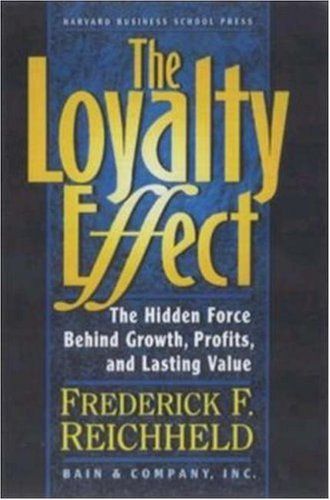
Nova: The lie, Atlas, is that engagement without loyalty is like constantly filling a leaky bucket. You might be pouring in a lot of water, but if it's all just draining out the bottom, you're not actually accumulating anything. You're just working harder to stay in the same place. Frederick F. Reichheld, in his seminal work "The Loyalty Effect," showed how even small improvements in customer retention lead to massive profit increases. He argues that loyal customers are your most valuable asset, not just your most active ones.
Atlas: So, it's like having a revolving door at your business? Lots of people coming in, lots of activity, but just as many leaving, and you're constantly paying for the door to spin, for the marketing, for the re-acquisition. That must be incredibly expensive.
Nova: It is. Consider a fictional e-commerce company that obsessed over website clicks and new user sign-ups. Their analytics showed impressive engagement numbers – users were clicking, browsing, even adding things to carts. But their repeat purchase rate was abysmal, and their churn rate was high. They celebrated daily active users, but bled profit because they were constantly trying to replace the customers they were losing. They were so focused on the that they missed the.
Atlas: That's a perfect example. For our listeners who are managing high-pressure teams and constantly trying to hit growth targets, that chase for fleeting engagement can feel like an endless treadmill. What's the real, tangible benefit of shifting that focus to loyalty?
Nova: The benefits are profound. Loyal customers have a higher lifetime value, they refer new customers, they're less price-sensitive, and they provide invaluable feedback. They become advocates. They're not just users; they're partners in your journey. That means reduced marketing costs, more stable revenue, and a far more resilient business model. It's a fundamental shift from transactional thinking to relationship building.
Atlas: That sounds like a fundamental shift in mindset. For leaders who are driven by impact and care about sustainable growth, this isn't just about numbers, it's about building something that truly lasts, something with deep roots.
Building Loyalty: The 'Why' Behind the 'What'
SECTION
Nova: Speaking of lasting, that brings us to the deeper question: how do you that kind of loyalty? Because it's not just about stopping the churn, it's about creating an unbreakable bond, a shared purpose. And for that, we need to talk about Simon Sinek and his transformative idea of "Start with Why."
Atlas: Oh, I love Sinek. His concept is so elegant in its simplicity, but incredibly powerful. You're saying it's not just about the features, the "what," but the underlying reason for existence, the "why"?
Nova: Exactly. Sinek emphasizes that customers don't buy you do, but you do it. This emotional connection fosters deeper loyalty than features alone ever could. Think about a company like Apple. People aren't just buying a phone or a laptop; they're buying into a philosophy of challenging the status quo, of creativity, of elegant design. The product is the they deliver on that.
Atlas: That's a great way to put it. So, it's not just about having the coolest features or the most competitive price, it's about making people something, making them believe in your mission. For someone trying to inspire a team or secure funding, that 'why' is your North Star, isn't it? But how do you actually that 'why' if you're not a global tech giant with a ready-made mythology?
Nova: That's the critical question! Let's take a fictional productivity app. Initially, their team focused on a laundry list of features: task management, calendar integration, note-taking, habit tracking – the "what." They had some users, but many would try it, get overwhelmed by the complexity, and quickly churn. Their growth was stagnating.
Atlas: I can definitely relate to that. There are so many apps that promise to do everything, and you end up using none of them because it's just too much.
Nova: Right? So, they pivoted. They went back to their core mission, their 'why.' They realized their true purpose was empowering individuals to reclaim their time and mental space, fostering a sense of calm and control in a chaotic world. Their 'why' was about peace of mind, not just productivity. They redesigned their onboarding, their messaging, even simplified some features, all centered around this core 'why.'
Atlas: And what happened?
Nova: Their loyalty and retention soared. Users felt understood, they felt like the app was helping them achieve something deeper than just checking off tasks. They had fewer features, but a much stronger, more engaged, and crucially, more community. The product became a vehicle for their 'why,' not just a collection of tools.
Atlas: That's powerful. It's like the features become the you deliver on your, not the itself. So, for our visionary architects out there, this is about crafting a narrative that resonates on a much deeper level than just a spec sheet or a feature list. It's about building an engaged community around a shared purpose.
Synthesis & Takeaways
SECTION
Nova: So, we've journeyed from understanding the pitfalls of superficial engagement metrics to the profound power of purpose-driven loyalty. It's a shift from chasing fleeting attention to cultivating enduring relationships.
Atlas: And for our listeners who are building communities and products, who are always looking for that next strategic advantage, what's the tiny step they can take this week to stop guessing and start measuring?
Nova: The tiny step is deceptively simple but incredibly impactful: identify one key metric that truly reflects user loyalty, not just activity, and commit to tracking it daily this week. Don't just look at daily active users; look at repeat purchase rate, or referral rate, or how your Net Promoter Score changes over time. Find the pulse of true connection.
Atlas: That's actionable. It's about finding that deep metric that tells you if you're building a relationship, not just facilitating a transaction. For anyone looking for advanced retention metrics to truly understand user loyalty and drive product evolution, this is where you start. It’s about measuring what matters for sustainable impact.
Nova: Absolutely. It's about building a legacy, not just a product. It's about genuine impact and cultivating a community that believes in your 'why.'
Atlas: Because sustainable growth isn't about chasing the next trend; it's about deepening the roots of what you've already planted, and that starts with loyalty.
Nova: What's one loyalty metric going to start tracking this week? Let us know.
Atlas: This is Aibrary. Congratulations on your growth!