Building Bridges, Not Walls: Connecting with Others
Golden Hook & Introduction
SECTION
Nova: You know, Atlas, I was reading this fascinating anecdote the other day about a famous psychologist who, despite being brilliant, was notoriously bad at remembering faces. He’d walk past colleagues he’d known for years and not recognize them. Now, that's an extreme case, but it got me thinking: how many opportunities do we miss simply because we're not truly the people right in front of us?
Atlas: Oh, I know that feeling. It’s like when you’re at a networking event, and everyone’s got that glazed-over look, scanning the room for someone "more important" to talk to. We're all in the same boat, honestly. So, are we talking about the lost art of eye contact here, or something deeper?
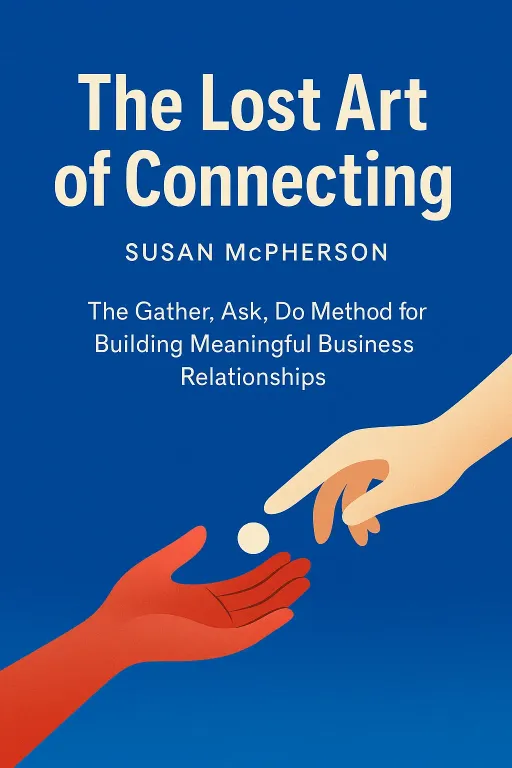
Nova: Something far deeper. Today, we're diving into the essential craft of human connection, drawing insights from two brilliant authors: Susan McPherson’s "The Lost Art of Connecting" and Michelle Tillis Lederman’s "The 11 Laws of Likability." McPherson, a former journalist who built a career out of genuine relationship-building, really challenges the transactional view of networking. She argues it's about fostering authentic relationships, not just collecting business cards.
Atlas: That makes sense. I imagine a lot of our listeners, especially those driven by self-improvement and impact, feel that pressure to "network" in a way that often feels… artificial. So, how do we bridge that gap between the transactional and the truly authentic?
Nova: Exactly! And that’s where Lederman's work beautifully complements McPherson's. Lederman, a seasoned executive coach, really demystifies what makes people genuinely likable, giving us actionable steps to improve our interpersonal appeal. It’s not about being someone you’re not, but about honing the qualities that naturally draw people to you.
Atlas: Ah, so it's a two-pronged approach: McPherson gives us the strategic, human-centered "why," and Lederman offers the tactical "how" to make those connections sticky. I like that. It sounds like it’s about making every interaction count, not just for business, but for our overall well-being.
The Lost Art of Connecting: Beyond Transactional Networking
SECTION
Nova: Absolutely. Let's start with McPherson. Her core argument is a powerful reframing of networking. Most people approach it like a hunt for resources – what can this person do for me? But she flips that on its head. She says it's about finding ways to be genuinely helpful to others, without expecting anything in return. It’s about building a community, a web of reciprocal generosity, rather than a ladder to climb.
Atlas: That sounds a bit out there in today's cutthroat world, doesn't it? I mean, for our listeners who are building confidence and seeking growth, the idea of just giving without expecting anything back might feel… inefficient. How does that translate into tangible benefits?
Nova: It’s counterintuitive, but incredibly effective. McPherson shares a story about a young entrepreneur struggling to get her business off the ground. Instead of cold-calling investors, she started volunteering her expertise to other startups, connecting people she knew who could help each other, and simply offering advice without charge. Over time, her reputation as a generous, connected individual grew. When she eventually sought funding, people were eager to help because she had already built so much goodwill. Her network wasn't a list of contacts; it was a community that trusted her.
Atlas: So it's like planting seeds, rather than trying to harvest immediately. You invest in the soil, you nurture the plants, and eventually, the garden flourishes. That’s a great analogy. It makes me wonder, though, how do you even being genuinely helpful if you don't know what someone needs?
Nova: That’s where the "art" comes in. It requires active listening and genuine curiosity. McPherson emphasizes asking open-ended questions, listening for cues about their challenges or passions, and then thinking, "Who do I know, or what resource do I have, that could genuinely assist this person?" It’s not about grand gestures, but often small, thoughtful connections or pieces of information.
Atlas: I can see how that builds trust. It’s not just about what you know, but who you know, and how willing you are to share that knowledge or those connections. It reminds me of the idea that your network is your net worth, but reframed as your net.
The 11 Laws of Likability: Making Connections Stick
SECTION
Nova: Precisely, Atlas. And this leads us perfectly into Michelle Tillis Lederman’s "The 11 Laws of Likability." While McPherson focuses on the strategic outreach, Lederman drills down into the personal qualities that make people want to connect with you in the first place. One of her most powerful laws is "Be Genuinely Interested." It sounds simple, but it’s profoundly overlooked.
Atlas: Oh, I know that feeling. I’ve been in conversations where it's clear the other person is just waiting for their turn to speak, or worse, they're already formulating their next brilliant point while you're still talking. So, how do you operationalize "genuine interest"? It feels like something you either have or you don't.
Nova: That’s the beauty of Lederman’s work; she breaks it down. It starts with presence – putting away your phone, making eye contact, and truly listening without distraction or judgment. It’s about asking follow-up questions that show you absorbed what they said, not just questions from a mental checklist. For example, instead of just asking "What do you do?", ask "What's the most surprising thing you've learned in your work recently?"
Atlas: Wow, that’s actually really inspiring. It’s almost like a superpower, isn't it? To make someone feel truly seen and heard. I imagine that would build confidence, not just for the person you're speaking to, but for yourself too, knowing you can create that kind of positive interaction.
Nova: Absolutely. And another key law from Lederman is "Be Authentic." This isn't about performing or putting on a facade; it’s about being comfortable in your own skin and letting your true self shine through. People are drawn to authenticity, not perfection. She gives an example of a CEO who was always buttoned-up and reserved. When he started sharing small, relatable anecdotes about his weekend, or even a challenge he was facing, his team felt a much stronger connection to him. He wasn't trying to be their friend; he was just being human.
Atlas: That’s a great way to put it. It’s like the difference between a meticulously crafted marketing campaign and a genuine, heartfelt conversation. One feels like it’s selling something, the other feels like it’s sharing something. So, if we combine McPherson’s idea of generous outreach with Lederman’s laws of likability, what's our tiny step for today?
Synthesis & Takeaways
SECTION
Nova: The core of our podcast today is really an exploration of how to build genuine, impactful connections in a world that often feels isolated. Today we’ve explored this from two perspectives: the strategic generosity of Susan McPherson and the actionable likability principles of Michelle Tillis Lederman.
Atlas: That gives me chills, honestly. It’s not just about business or career; it’s about building a richer, more meaningful life. It's about remembering that at the heart of every interaction is another human being, often yearning for connection as much as we are.
Nova: Exactly. So, for our listeners, here’s a tiny step: choose just one 'law of likability' from Lederman's work, like "Be Genuinely Interested," or "Be Authentic," and combine it with McPherson's advice on initiating a thoughtful connection. In your very next interaction, whether it's with a colleague, a family member, or even a barista, try to genuinely listen for a cue, and then offer a small, thoughtful connection. Maybe it's a piece of information, an introduction, or just a truly engaged follow-up question.
Atlas: I love that. It’s not about overhauling your entire social strategy, but about making one small, conscious shift. It’s about being present, being human, and offering a piece of yourself, knowing that those small acts of connection are the real building blocks of a fulfilling life.
Nova: It's about building bridges, not walls, one genuine interaction at a time. This is Aibrary. Congratulations on your growth!