Stop Guessing, Start Building: The Guide to Intentional Innovation
9 minGolden Hook & Introduction
SECTION
Nova: Most brilliant ideas fail, not because they're bad, but because their creators are playing a game of blindfolded darts. We're talking about taking off the blindfold.
Atlas: Oh man, that resonates with anyone who’s ever poured their heart and soul into a project, only to see it fizzle. The frustration of wasted effort, the feeling of just… guessing. It’s brutal.
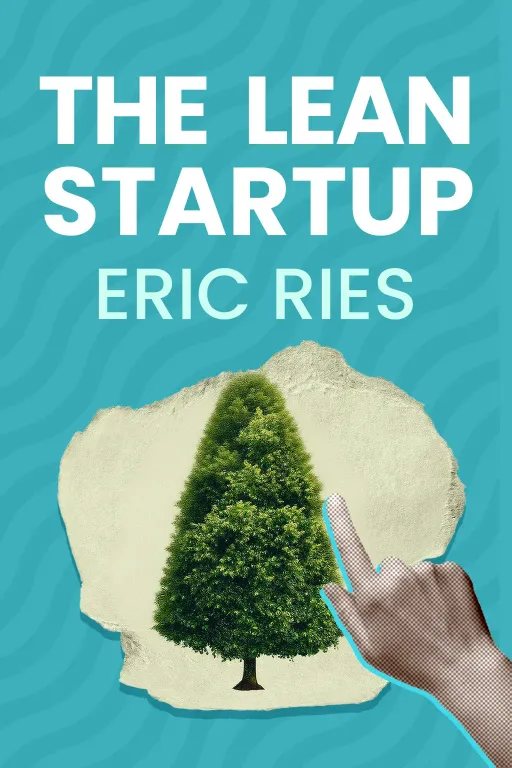
Nova: Exactly. And that's why today, we're diving into the absolute necessity of intentional innovation. We're looking at how to stop guessing and start building with purpose, drawing profound insights from two monumental books in the product world. First up, the groundbreaking "The Lean Startup" by Eric Ries. Ries, a Silicon Valley entrepreneur, famously grew so frustrated with the traditional 'build it and they will come' mentality that he essentially reverse-engineered a scientific method for building successful businesses.
Atlas: I see. So he wasn’t just theorizing from an ivory tower. He was in the trenches, feeling that pain point of product failure.
Nova: Absolutely. And then, we'll turn to "Inspired" by Marty Cagan. Cagan spent years observing and advising some of the most innovative companies on the planet—think the Googles and Amazons of the world—to distill their secrets to building products that customers genuinely adore. He’s seen what works at scale.
Atlas: Wow, that's a powerful combination. It sounds like both authors are tackling the same fundamental problem, but from slightly different angles. What's the core shift they're both advocating for?
Nova: In essence, they're fundamentally shifting product development from a gamble, a roll of the dice, to a series of informed, strategic moves. It’s about replacing intuition with data, and hope with a repeatable process.
The Lean Startup: Validated Learning and Iterative Growth
SECTION
Atlas: Okay, so let's start with Eric Ries and "The Lean Startup." You mentioned replacing intuition with data. But wait, doesn't "rapid experimentation" just mean releasing half-baked ideas and constantly changing direction? For our listeners who are resilient architects, building with intention, that might sound like a recipe for chaos, not clarity. How do you maintain quality and vision when you're constantly changing?
Nova: That's a great question, and it's a common misconception. The core concept here isn't about releasing unfinished products willy-nilly. It's about "validated learning." Think of it as applying the scientific method to business. Instead of spending months or years building a perfect product based on a hunch, you identify your riskiest assumption—the one thing that, if proven wrong, collapses your entire idea.
Atlas: So you’re saying, pinpoint the biggest unknown?
Nova: Precisely. And then you design the smallest, quickest experiment possible to test. This is where the "Minimum Viable Product," or MVP, comes in. It's not a shoddy product; it's the version of a new product which allows a team to collect the maximum amount of validated learning about customers with the least effort.
Atlas: Can you give an example? Because for someone who builds systems, the idea of 'least effort' sometimes feels like 'least quality.'
Nova: Let’s imagine a startup with a brilliant idea for a new social network for dog owners. Their riskiest assumption isn't "can we build an app?" but "do dog owners a dedicated social network, or are they happy with Instagram?" A traditional approach would be to spend a year building the full app, then launch it, and hope. A Lean Startup approach would be to create an MVP.
Atlas: Like what? A landing page?
Nova: Exactly. Maybe it's just a simple landing page with a catchy headline, a few screenshots, and an email signup form saying "Get early access to BarkBook!" They might run a small ad campaign to drive traffic to it. The goal isn't to sign up millions, but to measure conversion rates—how many people click the ad, how many land on the page, and crucially, how many sign up for that early access.
Atlas: So, the cause was a fuzzy assumption about market need. The process was a minimal experiment. What's the outcome?
Nova: The outcome is validated learning. If very few people sign up, despite good traffic, it validates that their core assumption might be weak. They haven't wasted a year of development or millions of dollars. They've learned in weeks. They can then "pivot"—which isn't giving up, but changing a fundamental aspect of their strategy based on new learning. Maybe dog owners want a social network, but only for finding local dog parks, not general sharing. The data guides the pivot.
Atlas: I see. So it’s about making smaller, informed bets rather than one giant, blind one. That makes sense for growth seekers who want to refine decisions with precision. It’s less about being right the first time, and more about learning the fastest.
Inspired: Empowered Teams and Continuous Discovery
SECTION
Nova: Once you understand to build efficiently and learn fast, the next question is to build that truly resonates with people. And that's where Marty Cagan's "Inspired" becomes indispensable. He introduces the idea of empowered product teams and continuous discovery.
Atlas: I imagine a lot of our listeners, who are empathetic leaders building systems, might wonder how to empower teams without losing strategic alignment. What does 'empowered' really look like, and how do you ensure they're discovering the right problems, not just chasing shiny objects?
Nova: That's a critical point, Atlas. Cagan argues that empowered teams aren't just given a list of features to build. Instead, they're given a for the customer, or a specific business outcome to achieve. Then, they're given the autonomy and the resources to figure out the best way to solve that problem. This shifts them from being "feature factories" to genuine innovators.
Atlas: So, it's not about the boss saying, "Build me a red button that does X." It's about the boss saying, "Our customers are struggling with Y, go figure out the best solution."
Nova: Exactly! And the key to this is "continuous discovery." It's not just a one-time market research project. Empowered teams are constantly, every single week, interacting with real users. They're observing, interviewing, testing prototypes, and looking for deep insights into user behavior and pain points. That's how they ensure they're always building the thing.
Atlas: Can you give an example of a team truly owning a problem and discovering a solution that way?
Nova: Think about a team at a company like Amazon. Instead of being told, "Build a faster checkout," they might be given the problem: "Customers are abandoning their carts at the final step, reducing revenue." The team then starts with continuous discovery. They watch users, interview them, build quick prototypes of different solutions – maybe a one-click checkout, maybe a guest checkout option, maybe clearer shipping cost displays. They test these prototypes with real users, gather feedback, and iterate.
Atlas: That’s fascinating. So, the cause was cart abandonment, the process was continuous user interaction and prototyping, and the outcome is a truly customer-centric solution. It's not just about what the leadership customers want.
Nova: Precisely. The outcome is a solution that's validated by actual user behavior and feedback, not just internal assumptions. It’s about the team having the context, the capability, and the conviction to solve real problems for real people. This fosters human connection within the team and with the customer, leading to sustainable growth and meaningful collaboration.
Atlas: That makes so much sense. It feels like "Lean Startup" gives you the agility to test your way forward, and "Inspired" gives you the framework to ensure your agile teams are actually focused on meaningful customer problems. It’s about building a culture of continuous learning and empowerment.
Synthesis & Takeaways
SECTION
Nova: You've hit the nail on the head, Atlas. "The Lean Startup" gives us the 'how to learn fast,' and "Inspired" gives us the 'what to learn about and who to empower to learn it.' Together, they paint a picture of intentional innovation as a dynamic system, not a single flash of genius. It’s about creating an environment where every 'guess' becomes a test, and every team is a discovery engine.
Atlas: So, it's not just about building, but building and. For our growth-seeking listeners, it's about refining product decisions with precision and leading with conviction. It’s about transforming that initial fuzzy process into a clear, strategic system.
Nova: Absolutely. And if there's one tiny step listeners can take this week, it's this: Identify one key assumption about your current project—anything you're building or working on—and design a simple, quick experiment to test it. Don't build the whole thing; just find the fastest way to get real feedback on that one critical assumption.
Atlas: It’s a powerful way to start. That small, intentional action can prevent months of wasted effort and unlock real growth. It's about leading with conviction, but a conviction informed by data, not just belief.
Nova: Precisely. It’s about trusting your inner compass, but calibrating it constantly with the reality of your users.