Stop Building in Isolation, Start Building a Movement: The Guide to Community-Powered Innovation.
9 minGolden Hook & Introduction
SECTION
Nova: Alright, Atlas, five words to describe the core challenge facing Agent engineers today. Go.
Atlas: Brilliant tech, lonely future. No adoption.
Nova: Ooh, "No adoption." That hits hard, doesn't it? Because it points to a truth that's often overlooked when we're deep in the code, perfecting algorithms, or optimizing model performance. We pour our hearts into these incredible Agent solutions, and sometimes... they just sit there.
Atlas: It's a brutal reality. As architects and full-stack engineers, we’re wired to build, to solve, to optimize. We see the elegance of our solution, the potential value. But then it’s crickets. It’s like we’ve crafted a masterpiece for an empty gallery.
Nova: Exactly! And that's precisely why today, we're diving into the profound insights of a guide that challenges that isolation: "Stop Building in Isolation, Start Building a Movement: The Guide to Community-Powered Innovation." It’s a title that really forces you to re-evaluate your approach.
Atlas: I'm curious. What's the genesis of this idea? Because for a lot of us, "community" feels like a soft skill, not a core engineering principle.
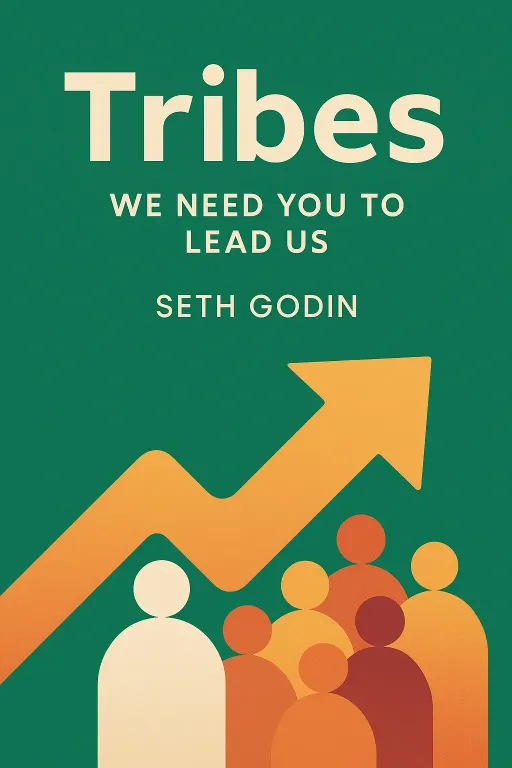
Nova: That’s a fantastic point. And it pulls from two foundational thinkers. First, Seth Godin, a marketing visionary who completely redefined how we think about connection and leadership, not just commerce. He made us see that people don't just buy products; they join movements.
Atlas: Right, and the other one? Eric Ries, if I'm remembering correctly, from "The Lean Startup." That one I know well, from an efficiency and iteration perspective.
Nova: Precisely. Ries, an entrepreneur and engineer himself, systematized the build-measure-learn feedback loop, showing how engagement isn't just about customer service, but about iterative innovation. So, today we'll dive deep into this from two perspectives. First, we'll explore the 'why' – the fundamental human drive to connect and belong, and how that translates into powerful 'tribes' around your Agent projects. Then, we'll discuss the 'how' – drawing lessons from the Lean Startup methodology to practically engage and co-create with those early communities.
Golden Hook & Introduction
SECTION
Nova: Alright, Atlas, five words to describe the core challenge facing Agent engineers today. Go.
Atlas: Brilliant tech, lonely future. No adoption.
Nova: Ooh, "No adoption." That hits hard, doesn't it? Because it points to a truth that's often overlooked when we're deep in the code, perfecting algorithms, or optimizing model performance. We pour our hearts into these incredible Agent solutions, and sometimes... they just sit there.
Atlas: It's a brutal reality. As architects and full-stack engineers, we’re wired to build, to solve, to optimize. We see the elegance of our solution, the potential value. But then it’s crickets. It’s like we’ve crafted a masterpiece for an empty gallery.
Nova: Exactly! And that's precisely why today, we're diving into the profound insights of a guide that challenges that isolation: "Stop Building in Isolation, Start Building a Movement: The Guide to Community-Powered Innovation." It’s a title that really forces you to re-evaluate your approach.
Atlas: I'm curious. What's the genesis of this idea? Because for a lot of us, "community" feels like a soft skill, not a core engineering principle.
Nova: That’s a fantastic point. And it pulls from two foundational thinkers. First, Seth Godin, a marketing visionary who completely redefined how we think about connection and leadership, not just commerce. He made us see that people don't just buy products; they join movements.
Atlas: Right, and the other one? Eric Ries, if I'm remembering correctly, from "The Lean Startup." That one I know well, from an efficiency and iteration perspective.
Nova: Precisely. Ries, an entrepreneur and engineer himself, systematized the build-measure-learn feedback loop, showing how engagement isn't just about customer service, but about iterative innovation. So, today we'll dive deep into this from two perspectives. First, we'll explore the 'why' – the fundamental human drive to connect and belong, and how that translates into powerful 'tribes' around your Agent projects. Then, we'll discuss the 'how' – drawing lessons from the Lean Startup methodology to practically engage and co-create with those early communities.
From Users to Advocates: The Power of Tribes in Tech
SECTION
Nova: So, let's start with Godin's revolutionary idea of "Tribes." He argues that leaders don't just create products; they create movements by giving people a cause to believe in and a way to connect. It’s about tapping into that primal human need for belonging.
Atlas: Okay, but as a full-stack engineer, I'm focused on shipping robust code, managing infrastructure, optimizing performance for Agent systems. Building a "tribe" sounds… well, it sounds like a job for the marketing department. How does this translate to my sprint goals for, say, a new Agent orchestration framework?
Nova: That's a classic engineering perspective, and it’s a valid one. But Godin makes a compelling case that your 'tribe' isn't just a marketing concept; it’s an for your engineering. Think about the most successful open-source projects. They aren't just codebases; they are vibrant ecosystems, powered by contributors who believe in a shared vision.
Atlas: Huh. I see your point. Like Kubernetes, or even popular programming languages. They have core teams, but their real power comes from a global community of developers contributing, documenting, advocating.
Nova: Exactly! That’s a perfect example. Those developers aren't just users; they're missionaries. They invest their time, their intellect, their passion, because they feel a sense of ownership, a shared purpose. They're part of a movement. And that, in turn, makes the product—the Agent framework, in your case—infinitely stronger, more resilient, and more broadly adopted.
Atlas: So you're saying that the "tribe" provides not just users, but also a distributed brain trust and an extended development team, in a way? That’s a much more tangible benefit than just "warm fuzzy feelings."
Nova: Absolutely. It transforms passive users into passionate advocates. They become your best testers, your most vocal proponents, your early warning system for bugs, and even your source of innovative ideas. They create unstoppable momentum. Without that, even the most brilliant Agent engineering solutions can struggle to gain traction.
Atlas: I can definitely relate to that. I've seen incredibly elegant solutions wither on the vine because nobody outside the core team cared enough to adopt them. It's like building a supercar in a vacuum. It’s technically perfect, but if no one drives it, what's the point?
Nova: Right? The 'cold fact' is, without a passionate community, even your most brilliant Agent engineering solutions can just… struggle. Building a tribe transforms users into advocates, creating unstoppable momentum. It’s fundamentally shifting your focus from simply developing technology to strategically cultivating human connection and shared purpose.
Atlas: That makes me wonder, though, how do you even to cultivate that? For us, it’s not always about a grand, philosophical movement. Sometimes it’s about a very specific, technical problem we’re trying to solve with an Agent.
Nova: That's where the next part of our discussion comes in, linking directly to the practical application of this tribal mindset.
From Users to Advocates: The Power of Tribes in Tech
SECTION
Nova: So, let's start with Godin's revolutionary idea of "Tribes." He argues that leaders don't just create products; they create movements by giving people a cause to believe in and a way to connect. It’s about tapping into that primal human need for belonging.
Atlas: Okay, but as a full-stack engineer, I'm focused on shipping robust code, managing infrastructure, optimizing performance for Agent systems. Building a "tribe" sounds… well, it sounds like a job for the marketing department. How does this translate to my sprint goals for, say, a new Agent orchestration framework?
Nova: That's a classic engineering perspective, and it’s a valid one. But Godin makes a compelling case that your 'tribe' isn't just a marketing concept; it’s an for your engineering. Think about the most successful open-source projects. They aren't just codebases; they are vibrant ecosystems, powered by contributors who believe in a shared vision.
Atlas: Huh. I see your point. Like Kubernetes, or even popular programming languages. They have core teams, but their real power comes from a global community of developers contributing, documenting, advocating.
Nova: Exactly! That’s a perfect example. Those developers aren't just users; they're missionaries. They invest their time, their intellect, their passion, because they feel a sense of ownership, a shared purpose. They're part of a movement. And that, in turn, makes the product—the Agent framework, in your case—infinitely stronger, more resilient, and more broadly adopted.
Atlas: So you're saying that the "tribe" provides not just users, but also a distributed brain trust and an extended development team, in a way? That’s a much more tangible benefit than just "warm fuzzy feelings."
Nova: Absolutely. It transforms passive users into passionate advocates. They become your best testers, your most vocal proponents, your early warning system for bugs, and even your source of innovative ideas. They create unstoppable momentum. Without that, even the most brilliant Agent engineering solutions can struggle to gain traction.
Atlas: I can definitely relate to that. I've seen incredibly elegant solutions wither on the vine because nobody outside the core team cared enough to adopt them. It's like building a supercar in a vacuum. It’s technically perfect, but if no one drives it, what's the point?
Nova: Right? The 'cold fact' is, without a passionate community, even your most brilliant Agent engineering solutions can just… struggle. Building a tribe transforms users into advocates, creating unstoppable momentum. It’s fundamentally shifting your focus from simply developing technology to strategically cultivating human connection and shared purpose.
Atlas: That makes me wonder, though, how do you even to cultivate that? For us, it’s not always about a grand, philosophical movement. Sometimes it’s about a very specific, technical problem we’re trying to solve with an Agent.
Nova: That's where the next part of our discussion comes in, linking directly to the practical application of this tribal mindset.
The Lean Community: Feedback Loops and Co-Creation
SECTION
Nova: Once you understand that deep human need for connection, the next question is: how do you actually harness that for your Agent projects? And that's where Eric Ries steps in with a playbook for engagement, specifically from "The Lean Startup." He emphasizes continuous customer feedback.
Atlas: Okay, so this is about the build-measure-learn loop. We hear that a lot in agile development. But how does this apply specifically to community, and particularly to complex Agent systems where the users might not even fully grasp the underlying AI?
Nova: That’s a critical distinction. Ries demonstrates how engaging with early adopters and building a community around your product ensures it meets real needs and evolves effectively. It’s not just about getting bug reports; it’s about co-creation. Imagine an Agent project designed to automate complex data analysis for architects.
Atlas: Like an Agent that streamlines architectural blueprint reviews, identifying structural weaknesses or code compliance issues automatically. That sounds incredibly useful.
Nova: Exactly. Now, instead of building that in isolation and then unveiling it, you identify a small group of architects who are the most forward-thinking, the most frustrated with the current manual process. You bring them into a dedicated forum, a chat, maybe even weekly calls.
Atlas: So, you're giving them a voice in the development right from the start. Not just showing them a finished product, but involving them in the.
Nova: Precisely. They become your early adopters, your mini-tribe. You show them early prototypes, even buggy ones. You ask: "Does this solve your actual pain point? Is this intuitive? What's? What's?" This isn't just about gathering feature requests; it's about validating your core assumptions and ensuring your Agent is solving a real, deeply felt problem, not just a theoretical one.
Atlas: That sounds rough, but it makes sense. It means we’re not just building a technical marvel; we’re building a that resonates. But what if their feedback seems contradictory or pulls the Agent in too many directions? How do we manage that without diluting the core vision?
Nova: That’s the art of it. It’s about listening deeply, identifying patterns, and understanding the behind their suggestions. It transforms your users into vital partners in an iterative design process. This fundamentally shifts your focus from simply developing technology to strategically cultivating human connection and shared purpose around your Agent solutions. It means your Agent system isn't just stable and scalable in code, but stable and scalable in its and.
Atlas: So, it’s not about doing everything they ask. It’s about using their input to inform a more robust, user-centric design that ultimately delivers more value. It’s about building a better Agent by building a better relationship.
Nova: That’s a fantastic way to put it, Atlas. It's about accelerating the path to product-market fit for your Agent, ensuring it's not just technically sound but also deeply embedded in the workflow and needs of its intended users. It's the difference between a brilliant invention and a widely adopted innovation.
The Lean Community: Feedback Loops and Co-Creation
SECTION
Nova: Once you understand that deep human need for connection, the next question is: how do you actually harness that for your Agent projects? And that's where Eric Ries steps in with a playbook for engagement, specifically from "The Lean Startup." He emphasizes continuous customer feedback.
Atlas: Okay, so this is about the build-measure-learn loop. We hear that a lot in agile development. But how does this apply specifically to community, and particularly to complex Agent systems where the users might not even fully grasp the underlying AI?
Nova: That’s a critical distinction. Ries demonstrates how engaging with early adopters and building a community around your product ensures it meets real needs and evolves effectively. It’s not just about getting bug reports; it’s about co-creation. Imagine an Agent project designed to automate complex data analysis for architects.
Atlas: Like an Agent that streamlines architectural blueprint reviews, identifying structural weaknesses or code compliance issues automatically. That sounds incredibly useful.
Nova: Exactly. Now, instead of building that in isolation and then unveiling it, you identify a small group of architects who are the most forward-thinking, the most frustrated with the current manual process. You bring them into a dedicated forum, a chat, maybe even weekly calls.
Atlas: So, you're giving them a voice in the development right from the start. Not just showing them a finished product, but involving them in the.
Nova: Precisely. They become your early adopters, your mini-tribe. You show them early prototypes, even buggy ones. You ask: "Does this solve your actual pain point? Is this intuitive? What's? What's?" This isn't just about gathering feature requests; it's about validating your core assumptions and ensuring your Agent is solving a real, deeply felt problem, not just a theoretical one.
Atlas: That sounds rough, but it makes sense. It means we’re not just building a technical marvel; we’re building a that resonates. But what if their feedback seems contradictory or pulls the Agent in too many directions? How do we manage that without diluting the core vision?
Nova: That’s the art of it. It’s about listening deeply, identifying patterns, and understanding the behind their suggestions. It transforms your users into vital partners in an iterative design process. This fundamentally shifts your focus from simply developing technology to strategically cultivating human connection and shared purpose around your Agent solutions. It means your Agent system isn't just stable and scalable in code, but stable and scalable in its and.
Atlas: So, it’s not about doing everything they ask. It’s about using their input to inform a more robust, user-centric design that ultimately delivers more value. It’s about building a better Agent by building a better relationship.
Nova: That’s a fantastic way to put it, Atlas. It's about accelerating the path to product-market fit for your Agent, ensuring it's not just technically sound but also deeply embedded in the workflow and needs of its intended users. It's the difference between a brilliant invention and a widely adopted innovation.
Synthesis & Takeaways
SECTION
Nova: So, bringing it all together, what we've really been talking about today is the radical idea that community isn't a 'nice-to-have' for Agent engineers; it's a fundamental engineering principle. It ensures your solutions aren't just robust in code, but robust in their real-world relevance, adoption, and continuous improvement.
Atlas: That’s a powerful reframing. It means that as architects and value creators, our job isn't just about writing perfect code or designing elegant systems. It's also about fostering the human connections that give that code and those systems meaning and momentum. It's about building bridges, not just products.
Nova: Exactly. And the beauty is, you don't need a massive team or a huge budget to start. It begins with a tiny step.
Atlas: What’s that tiny step, then, for our listeners who are ready to break out of isolation?
Nova: It’s this: Identify one small group of early adopters for your Agent project. Just one small group. And then, invite them to a dedicated forum or chat. Give them a direct voice in its development. Make them feel heard, make them feel part of something bigger.
Atlas: So, start small, keep it focused, and genuinely listen. That’s something every engineer, every value creator, can do right now. It's about making your Agent project not just robust in code, but robust in human connection. That's true value creation.
Nova: It truly is. Because at the end of the day, the greatest technology is the one that serves a passionate community.
Atlas: Absolutely. That’s a wrap for today.
Nova: This is Aibrary. Congratulations on your growth!
Synthesis & Takeaways
SECTION
Nova: So, bringing it all together, what we've really been talking about today is the radical idea that community isn't a 'nice-to-have' for Agent engineers; it's a fundamental engineering principle. It ensures your solutions aren't just robust in code, but robust in their real-world relevance, adoption, and continuous improvement.
Atlas: That’s a powerful reframing. It means that as architects and value creators, our job isn't just about writing perfect code or designing elegant systems. It's also about fostering the human connections that give that code and those systems meaning and momentum. It's about building bridges, not just products.
Nova: Exactly. And the beauty is, you don't need a massive team or a huge budget to start. It begins with a tiny step.
Atlas: What’s that tiny step, then, for our listeners who are ready to break out of isolation?
Nova: It’s this: Identify one small group of early adopters for your Agent project. Just one small group. And then, invite them to a dedicated forum or chat. Give them a direct voice in its development. Make them feel heard, make them feel part of something bigger.
Atlas: So, start small, keep it focused, and genuinely listen. That’s something every engineer, every value creator, can do right now. It's about making your Agent project not just robust in code, but robust in human connection. That's true value creation.
Nova: It truly is. Because at the end of the day, the greatest technology is the one that serves a passionate community.
Atlas: Absolutely. That’s a wrap for today.
Nova: This is Aibrary. Congratulations on your growth!