The Foundations of Lasting Wealth
Golden Hook & Introduction
SECTION
Nova: What if I told you that the real secret to building lasting wealth isn't about how much money you, but how much you? And that the biggest risk to your financial future isn't the market, but?
Atlas: Whoa, hold on. That's a pretty bold statement, Nova. Everyone I know is chasing that next big raise, that high-paying gig. Are you saying my big salary isn't my golden ticket to financial freedom?
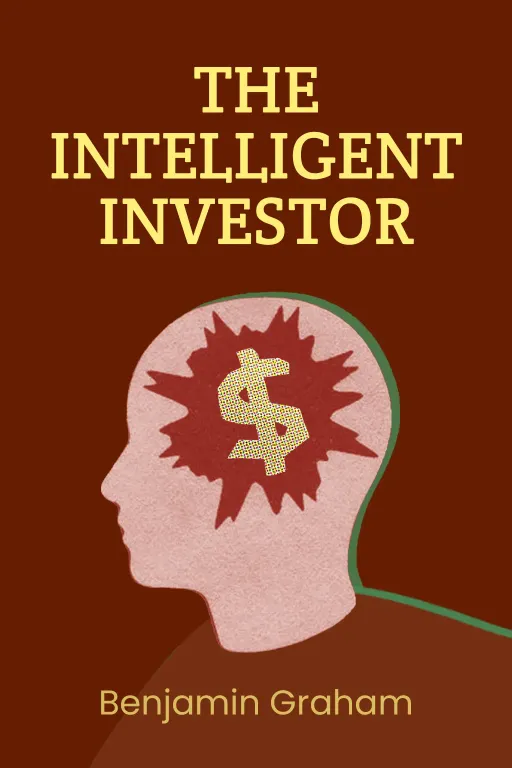
Nova: Not necessarily, Atlas. That's exactly what we're dissecting today on Aibrary, as we dive into "The Foundations of Lasting Wealth." We're pulling insights from two absolute titans: Benjamin Graham's seminal work, "The Intelligent Investor," and Thomas J. Stanley's groundbreaking "The Millionaire Next Door."
Atlas: Graham, the legendary investor, right? The one Warren Buffett considers his mentor?
Nova: Precisely. His work is the bedrock of value investing. And Stanley’s book is equally fascinating, based on years of empirical research, interviewing actual millionaires across America, not just theorizing. And what they both reveal challenges a lot of our conventional wisdom about money.
Atlas: Okay, I'm intrigued. So, where do we start unraveling these foundations?
Nova: We start with Graham's genius: the 'Margin of Safety.'
The Unsexy Secret: Margin of Safety
SECTION
Nova: Imagine you're building a bridge. You calculate it needs to hold 10 tons. A responsible engineer doesn't design it to hold 10 tons, right? They design it to hold 20, maybe 30 tons. That extra capacity, that buffer, is the margin of safety. In finance, it means buying an asset for significantly less than its intrinsic value.
Atlas: I see. So you’re not just hoping for the best, you’re building in a cushion for when things inevitably go wrong. But in today's fast-paced, 'move fast and break things' world, doesn't that sound... slow? For our listeners who are aiming to accelerate their careers or launch big projects, how does 'margin of safety' apply beyond just stocks?
Nova: That's a brilliant question, and it's where Graham's principle truly shines beyond just the stock market. Think about career development. A margin of safety could mean continuously learning skills your immediate job requirements, so you're not solely reliant on one specific function or industry. It's having a diversified skillset, or even a side hustle, so if one income stream falters, your entire financial and career stability doesn't collapse.
Atlas: So it's like building in redundancy, or strategic slack, but with a purpose. Not just being lazy, but being. It sounds like it's about minimizing downside risk so your upside potential isn't wiped out by one bad quarter or market downturn.
Nova: Exactly. It’s the quiet strength. It's the difference between a company that's leveraged to the hilt, one hiccup away from bankruptcy, and one with a strong balance sheet, ready to weather any storm or even capitalize on opportunities when others are struggling. It ensures your career and financial balance isn't a tightrope walk, but a walk across a very robust bridge.
Atlas: That's powerful. It reframes "playing it safe" from being timid to being incredibly strategic and forward-thinking. It’s about building a fortress, not just a house of cards.
Nova: And it frees you up to take risks, because you know you have that buffer. You're not operating from a place of desperation.
The Millionaire Next Door: Frugality Over Flash
SECTION
Nova: And this idea of quiet strength perfectly sets us up for our next insight, from Thomas J. Stanley’s "The Millionaire Next Door." Stanley's research pulled back the curtain on who America's millionaires are. And what he found was astonishingly counter-intuitive.
Atlas: I'm ready. My guess is they're all high-flying tech moguls, Wall Street wizards, or celebrities, right? That's what the media tells us.
Nova: Oh, I love that guess, because it's precisely what Stanley's research debunked. He found that the vast majority of millionaires don't live in Beverly Hills mansions, drive brand-new luxury cars, or wear designer suits every day. Most are incredibly frugal. They live in modest homes, drive reliable, often older cars, and prioritize saving and investing over conspicuous consumption.
Atlas: That's a huge shift from the popular image! It completely challenges the idea that you need to project an image of success to successful. But isn't it hard to embrace frugality when society constantly pushes consumption, especially for those trying to 'keep up' or project competence in their professional lives?
Nova: It absolutely is, and Stanley addresses that directly. He identified what he called "underaccumulators of wealth" – people with high incomes who be wealthy but aren't, because they spend everything they earn trying to keep up. And then there are the "prodigious accumulators of wealth" – often people with average incomes who systematically save and invest, living well below their means.
Atlas: So it's not about deprivation, it's about. You're choosing financial freedom over immediate gratification, or over the perceived need to project a certain status. Like, auditing your expenses isn't a punishment, it's a strategic move for your future.
Nova: Precisely! Stanley found these millionaires meticulously track their spending. They treat their personal finances like a successful business, with a budget, clear goals, and a deep understanding of where every dollar goes. They understand that every dollar saved and invested is a dollar working for them, building that margin of safety for their future.
Atlas: That makes perfect sense. It’s about conscious choices, not just passively letting money flow out. It’s a proactive stance rather than a reactive one.
Nova: And it compounds over time. The small, consistent habits of frugality and smart investing become far more powerful than sporadic bursts of high income. It's a marathon, not a sprint, fueled by discipline.
Synthesis & Takeaways
SECTION
Nova: So, bringing these two giants together, we see a powerful synergy. Graham’s 'Margin of Safety' provides the intelligent for your wealth, ensuring resilience. Stanley’s 'Frugality' and 'Wealth-Building Habits' provide the consistent for that protection and exponential growth. They are two sides of the same coin: deliberate, intelligent wealth building.
Atlas: It really ties into the idea that small steps lead to big leaps, doesn't it? It's not about one huge win, but consistent, smart decisions. For our listeners focused on self-growth and making progress, what's one immediate action they can take based on these insights?
Nova: The clearest takeaway from both books, synthesized, is this: audit your monthly expenses. See where your money is going versus where you it's going. You might be surprised. And then, apply a margin of safety to your investments and your career choices. Don't overextend; build in buffers. It's about balancing ambition with resilience.
Atlas: So, it's about being intentional, both with our resources and our risk. A powerful reminder that true wealth isn't just a number, but a state of mind and a set of disciplined habits that compound over time.
Nova: Absolutely. It’s about building a future that’s not just rich, but robust and sustainable.
Nova: This is Aibrary. Congratulations on your growth!