

The Fundamentals of Successful Fundraising
Golden Hook & Introduction
SECTION
Nova: Most founders think fundraising is about numbers, spreadsheets, and endless pitches. They believe it's a financial transaction, a necessary evil to get capital. But what if I told you that the real game isn't in the dollars, but in the dance of psychology, power, and long-term vision?
Atlas: Oh, come on, really? So, all those late nights perfecting my pitch deck were just… foreplay? That sounds a bit out there, but I'm listening. Tell me more about this 'dance'.
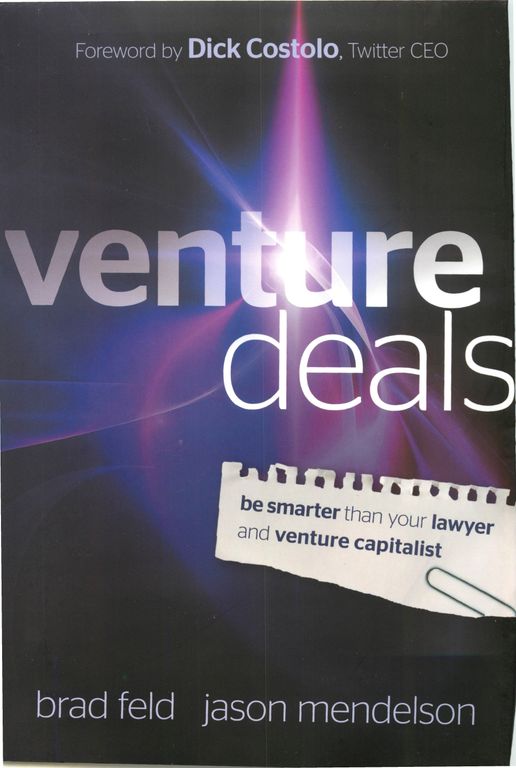
Nova: Absolutely, Atlas! Today, we're diving into the often-misunderstood world of fundraising, and we’re going to illuminate it with insights from two pivotal books. First, we have "Venture Deals: Be Smarter Than Your Lawyer and Venture Capitalist" by the dynamic duo, Brad Feld and Jason Mendelson. Brad Feld, a venture capitalist with decades of experience, and Jason Mendelson, a seasoned startup lawyer, literally wrote the playbook on understanding term sheets from both sides of the table. They pull back the curtain on the mechanics that can make or break a deal.
Atlas: That’s a powerful combination of perspectives right there. I know a lot of our listeners, the builders and visionaries, are looking for that insider edge.
Nova: Exactly! And we'll pair that with "The Founder's Dilemmas: Anticipating and Avoiding the Pitfalls That Can Sink a Startup" by Noam Wasserman. Wasserman, an academic who spent years researching thousands of founders, provides a data-driven look at the critical early choices founders make, especially around equity and control. His work illuminates the long-term consequences of decisions that often seem minor at the outset.
Atlas: So, we’re talking about not just the financial terms, but the human element and the strategic long game. That sounds like a much richer conversation than just 'how to get money.'
Nova: Precisely. Today, we'll dive deep into this from two key perspectives. First, we'll explore demystifying the investor landscape, understanding the mechanics and the psychology at play. Then, we'll shift our focus to mastering the pitch itself, equipping you with the preparation needed for strategic alignment.
Demystifying the Investor Landscape: Beyond the Term Sheet
SECTION
Nova: Let's start with the investor landscape, because it's often seen as this opaque, intimidating territory. "Venture Deals" is a masterclass in breaking down the term sheet. Think of a term sheet not just as a legal document, but as the rulebook for a very high-stakes board game. Every clause, every definition, dictates who gets to move where, who controls the pieces, and who ultimately wins.
Atlas: Okay, so what's a 'term sheet' beyond just boring legal jargon? Give me the human impact here. For someone trying to build something impactful, how does understanding this 'rulebook' actually help them, beyond just avoiding getting ripped off?
Nova: That’s a great question. It's not just about avoiding 'getting ripped off,' it's about understanding the long-term implications for your vision and for your team. Take, for instance, a seemingly innocuous clause like 'liquidation preference.' It sounds technical, but it dictates who gets paid first if the company exits, especially if it's not a home run. If an investor has a 2x liquidation preference, they get their money back twice over before common shareholders—like you, the founder, and your early employees—see a dime.
Atlas: Whoa, that's a huge deal. So, it's about protecting your future, and the future of those you're empowering, not just the present funding.
Nova: Exactly. And that ties beautifully into Wasserman's "The Founder's Dilemmas." He argues that founders often make early choices driven by emotion or a desire for 'fairness' that have profound long-term consequences. A classic example is the 50/50 co-founder split. It feels fair, right? Equal partners, equal ownership.
Atlas: Yeah, I've heard that. It's almost a default for many early-stage teams. It feels equitable.
Nova: It does. But Wasserman's research shows it’s often a recipe for disaster down the line, especially when things get tough. Imagine two co-founders, Alice and Bob, who split their company 50/50. They're both brilliant, passionate. But six months in, they hit a major product pivot. Alice wants to go left, Bob wants to go right. With 50/50 equity, there's no tie-breaker. The company grinds to a halt. Investors see this and get nervous. The lack of clear decision-making power can sink the entire venture.
Atlas: But isn't 50/50 fair? What's the hidden trap there if everyone's committed? What if they just… talk it out?
Nova: Talking it out works until the stakes are incredibly high, and opinions diverge fundamentally. The trap is that 'fair' doesn't always mean 'functional.' Wasserman highlights how having a clear leader, even if it's just a 51/49 split, provides a critical decision-making mechanism when consensus fails. It’s not about valuing one founder over another; it’s about ensuring the company can move forward decisively. This is where Nova's Take comes in: fundraising is as much about understanding human psychology and strategic alignment as it is about financial terms. Knowledge empowers you to structure these relationships for long-term health.
Atlas: That makes me wonder, then, how does a founder balance that need for clear leadership with the desire to empower a team and share ownership? For someone driven by impact, the idea of a dictatorial leader feels counterintuitive.
Nova: It's a delicate balance, and it's precisely why these early choices are so critical. It's about defining roles and decision-making authority upfront, rather than assuming equality in ownership translates to equality in every decision. A founder might have majority voting rights for critical strategic decisions, while still empowering their team to lead on product development or marketing. It requires conscious design, not just default splits.
Mastering the Pitch: Preparing for Strategic Alignment
SECTION
Atlas: Okay, so we understand the landscape and these critical early choices. That's a lot to digest. How do we actually start preparing to it effectively, to get ready for the pitch itself? It can feel like walking into a lion's den.
Nova: That’s where the preparation aspect truly shines. Our "Tiny Step" recommendation is to research the typical terms of a seed or Series A round in your industry. This isn't about memorizing legal code; it's about understanding the playing field. What are the common valuation ranges? What kind of equity stakes are investors typically taking? What are the standard clauses you'll encounter?
Atlas: Isn't it just about getting the money? Why does understanding all these granular terms matter so much when you're just trying to survive and grow your vision? It sounds like a lot of homework before you even start the main task.
Nova: It matters because it transforms you from a supplicant into a strategic partner. Imagine two founders. One, let's call her Sarah, has done her homework. She knows that for a Series A in her SaaS industry, a 20% equity stake for a $5 million investment is typical, and she's ready to discuss the nuances of participation rights versus non-participation. She walks into the room with confidence, speaking the investors' language.
Atlas: She's not just asking for money; she's negotiating a partnership with a shared understanding of the rules.
Nova: Exactly. Now, consider Mark, another founder. He has an amazing product, but he hasn't researched the terms. He's just focused on the valuation number. When an investor starts talking about multiple liquidation preferences or drag-along rights, Mark is blindsided. He doesn't understand the implications, he feels out of his depth, and his confidence wavers. He ends up agreeing to terms that might severely disadvantage him and his team down the line, simply because he didn't know what was standard or what was negotiable.
Atlas: That's a stark difference. So, this preparation is a form of empowerment, giving you the vocabulary and the context to advocate for your vision effectively. It’s about being proactive, not reactive.
Nova: Precisely. And this leads directly to our "Deep Question": What kind of investor relationship do you truly seek, and how will your fundraising strategy align with that vision? This goes beyond just liking an investor. Do you want someone hands-on, who will sit on your board and offer strategic guidance? Or do you prefer a more passive financial partner?
Atlas: For someone building with purpose, someone who wants to empower their team and create lasting value, this question is critical. It’s not just about the money, but about the money, from the people.
Nova: It's about finding an investor whose values and long-term vision align with yours. If you're building a company with a strong social impact mission, partnering with an investor who only cares about quarterly returns at any cost might create fundamental clashes down the road. This alignment isn't just about avoiding conflict; it's about leveraging their expertise and network in a way that truly accelerates your specific kind of growth and impact. It’s about securing resources that don’t just fuel your dream, but also protect its integrity.
Synthesis & Takeaways
SECTION
Nova: So, what we've really explored today is that fundraising is far more than a simple transaction. It’s a complex, strategic dance between founders and investors, where understanding the mechanics of a term sheet and the psychology of early choices is paramount. It’s about knowledge empowering you, not just to get money, but to secure the kind of resources that align with your long-term vision and impact.
Atlas: That makes so much sense. It feels less like a battle and more like a chess game where you need to know the rules and anticipate your opponent's moves, but also understand what kind of player you want at the table. The real takeaway for me is that preparation isn't just about looking good; it's about protecting your future and the future of the value you're trying to create.
Nova: Exactly. It's about stepping into the arena not just with a great idea, but with the wisdom of those who’ve navigated it successfully. It's about transforming a potentially intimidating process into a powerful foundation for growth.
Atlas: That's actually really inspiring. It makes me think, if every founder approached fundraising with this level of strategic foresight and self-awareness, how many more truly impactful ventures would not just get funded, but actually thrive and fulfill their potential? What if we all focused on the as much as the?
Nova: A profound question, Atlas, and one that every visionary builder should ponder.
Atlas: This is Aibrary. Congratulations on your growth!