

The Human Element: Cultivating Trust in the Age of Algorithms
Golden Hook & Introduction
SECTION
Atlas: I was today years old when I realized that trying to 'optimize' every single customer interaction might actually be doing more harm than good, actively destroying the very thing we're trying to build: trust.
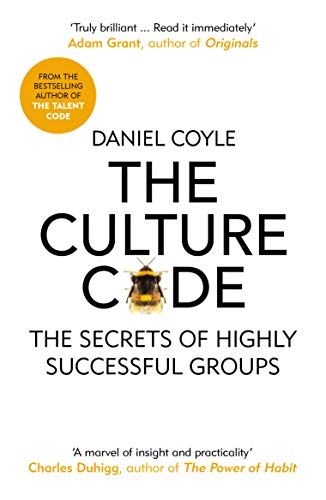
Nova: Oh, I love that. That hits so close to home, doesn't it? Because in our relentless pursuit of efficiency and data-driven campaigns, we sometimes forget the utterly human element at the heart of all connection. And that's exactly what we're dissecting today, through the lens of Daniel Coyle's absolutely brilliant book, "The Culture Code: The Secrets of Highly Successful Groups."
Atlas: Okay, so Coyle. I know his work is often cited in leadership circles, but how does a book about group dynamics translate to something as broad as marketing and building trust with an audience? It sounds like a big leap.
Nova: That’s a great question, and it’s actually Coyle’s genius. He has this incredible knack for demystifying complex human behaviors. He translates intricate social science into these incredibly tangible, actionable insights. He's not just talking about fluffy feelings; he's showing the mechanics of how trust and cohesion are built, whether it's within a SEAL Team Six or an innovative design firm. The principles are universal. And what he reveals is that trust isn't some mystical, elusive quality. It’s actually built on a set of specific, learnable skills.
Atlas: Learnable skills for trust? That’s interesting. For our listeners who are strategic innovators and analytical architects, that might sound almost too good to be true. We're often looking for that quantifiable edge.
Nova: Exactly! And that’s why this book resonates so deeply. Coyle shows that these "soft skills" are actually the hardest and most impactful ones. And for marketing, especially in an age where algorithms can feel so impersonal, understanding these core human drivers is not just an advantage, it's becoming an ethical imperative and a strategic necessity. We’re talking about building connections that aren't just transactional, but truly resonant and sustainable.
Psychological Safety in Marketing
SECTION
Nova: So, let's dive into the first pillar Coyle identifies for building highly successful, trusting groups: Psychological Safety. Atlas, what does that phrase conjure up for you?
Atlas: Well, for internal teams, I get it. It’s about creating an environment where people feel safe to speak up, make mistakes, take risks, without fear of punishment or humiliation. But how do you create that kind of "safety" with an external audience, with customers, especially when so much of modern marketing, data-driven campaigns, retargeting – it can feel, well, a bit invasive, or even manipulative at times?
Nova: That's a super valid point. Coyle talks about what he calls "belonging cues"—signals that tell our primal brain, "You are safe here. You belong." In marketing, this translates to creating an environment where customers feel seen, respected, and valued, not just as a data point or a conversion opportunity, but as a human being. It's about transparency, clear communication, and respecting their autonomy.
Atlas: Can you give an example of what that looks like in practice? Because "transparency" can be a buzzword.
Nova: Absolutely. Think about a brand like Patagonia. They don't just sell outdoor gear; they sell a philosophy. They actively encourage customers to repair their items rather than buying new ones, they're incredibly transparent about their supply chain, even admitting when they fall short of their own environmental goals. When they say, "Don't buy this jacket if you don't need it," that's a radical act of psychological safety. They are signaling that their priority isn't just your immediate purchase, but your long-term well-being and the planet's.
Atlas: Wow. That's a strong signal. They’re essentially saying, "We trust you to make the right choice, and we're not just here to extract value." That’s going to resonate deeply with anyone who values ethical practice.
Nova: Exactly. It creates a space where customers feel empowered, not pressured. Another example could be a software company that offers genuinely clear, no-strings-attached trials, or a service that has an incredibly easy, no-questions-asked refund policy. They’re removing the fear of commitment, the fear of making a "wrong" choice. They're saying, "We stand by our product, and we trust you to experience it honestly."
Atlas: I can see how that cultivates loyalty. It's about making customers feel respected, not just targeted or manipulated. So, it’s not just about what you say, but how you make people about the interaction itself. It’s a very different approach than the hard-sell, scarcity-driven tactics we see so much of.
Nova: It’s a profound shift. Coyle’s research shows that these belonging cues, even subtle ones, dramatically reduce cognitive load and build a foundation of trust that allows for deeper engagement. When people feel safe, they open up. They share more. They become advocates. And for an ethical leader, that’s where sustainable growth truly begins.
Shared Vulnerability & Common Purpose
SECTION
Nova: And that naturally leads us to Coyle's second pillar: Shared Vulnerability. Now, this one can feel even more counterintuitive for brands. We're taught that brands should be aspirational, polished, almost perfect. But Coyle argues that true cohesion, true trust, comes from admitting imperfections, sharing challenges, and even asking for help.
Atlas: That sounds rough. For someone in a strategic role, always trying to project strength and innovation, admitting flaws feels like a risk. Isn't that just showing weakness to your competitors or your audience? How does vulnerability build trust in a marketing context?
Nova: It's about demonstrating humanity, Atlas. Think of it less as weakness and more as authenticity and courage. Coyle found that when leaders, or in this case, brands, show a controlled vulnerability, it disarms people. It creates empathy. It signals, "We're in this together, and we're not perfect, just like you." This is where the profound insights come in. It’s a subtle but powerful signal.
Atlas: Can you give us an example of a brand doing this well without appearing incompetent?
Nova: Absolutely. Consider a company like LEGO. In the early 2000s, they faced near bankruptcy. Instead of simply pushing new products, they openly shared their struggles, admitting they'd lost touch with their core audience. They invited their most passionate adult fans, the AFOLs, into their design process, soliciting ideas, even co-creating products. This act of vulnerability—admitting they needed help—didn't make them look weak. It galvanized their community, tapped into a massive wellspring of loyalty and innovation, and ultimately helped save the company. They showed that they valued their community's input over their own perceived perfection.
Atlas: Wow, that’s actually really inspiring. They turned a moment of weakness into a moment of strength by leaning into their community. So, it's not about being flawless, but about being real and collaborative.
Nova: Precisely. And that leads us directly to the third pillar: Common Purpose. Coyle emphasizes that highly successful groups aren't just safe and vulnerable; they're united by a clear, shared goal that transcends individual interests. For brands, this isn't just about selling a product; it's about inviting your audience into a larger narrative, a shared mission.
Atlas: So, it's about giving your audience something bigger to believe in than just your product? Not just selling, but inviting them into a shared journey or impact? That resonates with the ethical leader in me, but how do you quantify that "purpose" in a data-driven world?
Nova: You quantify it in engagement, loyalty, and advocacy, Atlas. Think of brands that champion a significant cause, not just with a one-off donation, but by embedding it into their core identity. Take TOMS Shoes, for example, with their "one for one" model. Their purpose—providing shoes to children in need—was inextricably linked to every purchase. Customers weren't just buying shoes; they were participating in a global mission. This created a profound sense of shared purpose. People felt like they were part of something bigger than themselves.
Atlas: I see. It's about aligning your brand's values with your audience's values, creating a moral compass for your marketing that goes beyond just features and benefits. That's a powerful motivator for sustainable practice.
Nova: Exactly. When you tap into a shared purpose, you move beyond transactional relationships. You build a community. You inspire collective action. And in an age where consumers are increasingly looking for brands that reflect their values, a clear, authentic common purpose is an unshakeable foundation for trust and loyalty. It provides meaning, which is a far more powerful driver than any fleeting trend.
Synthesis & Takeaways
SECTION
Nova: So, bringing it all together: psychological safety creates the space for connection, shared vulnerability builds the bridge of empathy and authenticity, and common purpose provides the compelling direction. These aren't just 'nice-to-haves' for internal teams; Coyle's work proves they are critical strategic tools for sustainable, ethical growth in any sphere, especially marketing.
Atlas: That makes me wonder, Nova, so, essentially, in an age of algorithms and hyper-optimization, the most powerful marketing tool isn't more data, or a more sophisticated AI, but actually more humanity? More genuine, intentional human connection?
Nova: Absolutely. The irony is, the more technology advances, the more precious and powerful the human element becomes. Trust is the ultimate ROI. It’s what differentiates a fleeting trend from a lasting brand, a transactional relationship from a true community.
Atlas: For our listeners who are analytical architects and strategic innovators, looking to master these concepts and apply them, how can they start integrating these principles tomorrow, beyond just 'feeling good' about it? What’s one concrete action they can take?
Nova: I would say, start with a transparency audit of your communications. Are you genuinely clear about your intentions and your data practices? Can you identify one area where your brand can genuinely show a controlled vulnerability—admit a challenge, ask for community input, or share an authentic struggle? Or, even better, identify one clear, overarching purpose that truly aligns with your brand's values and your audience's aspirations, and start weaving that narrative into everything you do.
Atlas: That’s a fantastic, actionable challenge. It's about shifting from a mindset of 'what can we get' to 'how can we genuinely connect and serve,' which is profoundly ethical.
Nova: It’s a paradigm shift, but one that yields immense, lasting rewards.
Atlas: This has been incredibly insightful, Nova. Thank you for breaking down these profound ideas and making them so accessible and applicable.
Nova: My pleasure, Atlas. It's always a joy to explore these deeper currents with you.
Nova: This is Aibrary. Congratulations on your growth!