

Leading with Empathy: Building High-Performing Teams
Golden Hook & Introduction
SECTION
Nova: What if I told you the best way to be a truly empathetic leader isn't always about being "nice"? Sometimes, it means being brutally, yet lovingly, honest.
Atlas: Oh, I like that. That’s a bold statement right out of the gate, Nova. Because honestly, the whole "nice boss" stereotype has always felt a little… fluffy to me. Like it’s missing a crucial edge.
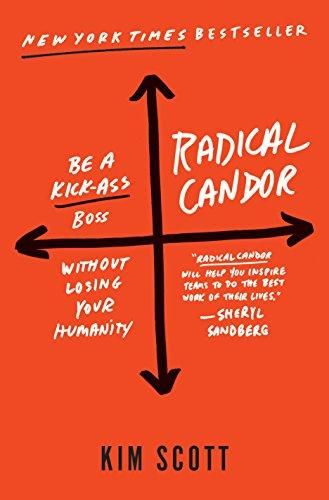
Nova: Exactly! And that edge is precisely what we’re exploring today, drawing from two incredible books: Kim Scott’s "Radical Candor: Be a Kick-Ass Boss Without Losing Your Humanity" and Daniel Coyle’s "The Culture Code: The Secrets of Highly Successful Groups."
Atlas: Kim Scott! She's fascinating because she didn't just theorize about leadership from an ivory tower. She was deep in the trenches at Google and Apple, seeing firsthand what truly made teams excel, and what absolutely crippled them. Her insights came from that very real, high-stakes environment.
Nova: Absolutely. And what she realized, after observing countless leaders, was that the conventional wisdom of 'if you don't have anything nice to say, don't say anything at all' was actively destroying team performance. It was creating cultures of artificial harmony, where real problems festered.
Atlas: That makes me wonder, then, how do you actually deliver that "brutally honest" feedback without becoming the boss everyone avoids at the water cooler? For a leader who’s trying to build something significant, that balance feels incredibly delicate.
Deep Dive into Core Topic 1: The Dual Imperative of Radical Candor
SECTION
Nova: That’s the million-dollar question, Atlas, and it’s where Kim Scott’s concept of Radical Candor truly shines. She breaks it down into two fundamental dimensions: "Caring Personally" and "Challenging Directly." Think of it as a two-by-two matrix.
Atlas: Okay, so a matrix. I’m picturing it. Caring Personally on one axis, Challenging Directly on the other. Walk me through it.
Nova: Imagine a manager named Sarah. She has a team member, David, who’s consistently underperforming in presentations. He’s brilliant, but his delivery is rambling, and he loses the audience.
Atlas: Oh, I know that feeling. It’s hard to watch.
Nova: It is. Now, a boss who and is in the quadrant Scott calls "Manipulative Insincerity." They might just let David continue, maybe even talk behind his back, but never address the issue head-on. David never grows, and the team suffers.
Atlas: Right, that’s the classic passive-aggressive nightmare. No one wins there.
Nova: Then there's "Ruinous Empathy." This boss but. They might think, "Oh, David is sensitive, I don't want to hurt his feelings." So they sugarcoat the feedback, or avoid it entirely. David never improves, because he doesn't understand the severity of the problem. He feels liked, but he’s not growing.
Atlas: That sounds a lot like what many of us are taught: be nice, don't rock the boat. But it’s actually preventing the growth we want to see. It’s a painful realization, but I can see how that’s ruinous.
Nova: Exactly! And then you have "Obnoxious Aggression." This boss but. They might just rip into David, saying, "Your presentations are terrible, figure it out!" It’s direct, sure, but it’s delivered without empathy, without genuine care for David as a person. David might get the message, but he’ll likely resent it, shut down, or even leave. It crushes his spirit.
Atlas: That’s the old-school, drill sergeant approach. It gets results in the short term, maybe, but at what cost to morale and long-term retention?
Nova: Precisely. And finally, you have "Radical Candor." This is where Sarah, our manager, about David. She might pull David aside and say, "David, I know you're incredibly smart, and I genuinely want to see you succeed. But your presentations are consistently missing the mark. You lose people quickly, and it's holding back your brilliant ideas. I’m going to help you practice, or we can find a coach. But this needs to change."
Atlas: Wow, that’s powerful. The "I care about you, and because I care, I'm going to tell you the hard truth" approach. The difference is palpable. It’s not just about the message, but the intention and the delivery.
Nova: It’s the difference between seeing feedback as an act of kindness versus an act of cruelty. When you care personally, your challenge is perceived as an attempt to help, not to harm. It creates an environment where people feel safe enough to receive difficult feedback because they trust your intentions.
Atlas: So, for a strategic innovator who needs their team to constantly be at the cutting edge, Radical Candor sounds essential. If people can’t get honest feedback, how can they ever truly innovate or improve? It prevents blind spots from being addressed.
Nova: It absolutely does. It’s about creating a culture where feedback is a gift, not a weapon. And that sense of safety, that trust, naturally leads us to our next big idea.
Deep Dive into Core Topic 2: Cultivating Trust and Safety as the Foundation for Innovation
SECTION
Nova: Daniel Coyle, in "The Culture Code," really drills down into what makes successful groups click. He found that it’s not about individual talent alone, but about the unseen architecture of trust and psychological safety. He identifies three key components: building safety, sharing vulnerability, and establishing purpose.
Atlas: I can see the connection immediately. Radical Candor requires safety. If I don't feel safe, I'm not going to accept your challenge, no matter how much you "care."
Nova: Exactly. Coyle argues that building safety starts with small, consistent signals that tell team members, "You are safe here. You belong." These are subtle cues – eye contact, energy, turn-taking in conversations, even laughter. They create a primal sense of belonging that allows people to drop their guard.
Atlas: That makes sense. It’s almost subconscious, isn’t it? Like, you walk into a room and instantly get a vibe. So, how does vulnerability play into that, especially for a leader who’s expected to project strength and confidence? How do you model vulnerability without appearing weak or indecisive?
Nova: That’s a critical distinction, Atlas. Coyle’s research, notably echoed by Google’s Project Aristotle, found that psychological safety was the number one predictor of team success. And vulnerability is the engine of that safety. It’s not about being weak; it’s about being human. It’s a leader saying, "I made a mistake," or "I don't have all the answers, and I need your help."
Atlas: So, it's about opening up, admitting imperfections, and showing that you’re not infallible. I’m thinking about a leader trying to anticipate market shifts and innovate proactively. They might feel immense pressure to always appear certain. But if they're always certain, their team might not feel comfortable questioning or offering alternative solutions.
Nova: Precisely. Coyle gives an example of a successful basketball coach who, during a tough game, admitted to his team, "I messed up that last play call. What do you guys think we should do?" That act of vulnerability immediately disarmed the team, made them feel more connected, and empowered them to contribute their best ideas, leading to a win. It created a moment of "shared purpose" born out of shared risk.
Atlas: That’s actually really inspiring. It reframes vulnerability not as a deficit, but as a strategic asset. It builds bridges, not just products. So, what’s a tiny step a leader can take this week to start cultivating that kind of trust and safety? Because “model vulnerability” can feel a bit abstract.
Nova: A fantastic question. Coyle would say start small. Schedule a dedicated 1:1 with each team member this week. But here’s the twist: focus solely on professional growth and how can better support them. Actively listen. Ask, "What's one thing I could do differently to help you succeed?" And when they give you feedback, genuinely receive it, thank them, and even if it's hard to hear, show that you're taking it seriously. That’s caring personally, challenging directly, and modeling vulnerability in one go.
Atlas: That’s a concrete action. It’s not about making a grand, public confession. It’s about creating those micro-moments of connection and trust, showing you’re invested in their journey, and you're open to evolving as a leader.
Synthesis & Takeaways
SECTION
Nova: And that’s the beautiful synergy, isn't it? Radical Candor provides the framework for honest, growth-oriented feedback, and "The Culture Code" explains that feedback can land effectively – because it's delivered within a culture of psychological safety, built on shared vulnerability and purpose.
Atlas: It’s not just about being a nice person. It's about being an effective, empathetic leader who understands that true strength comes from fostering an environment where people can be their whole selves, make mistakes, challenge ideas, and ultimately, innovate without fear. It’s about building teams that fundamentally trust each other.
Nova: Exactly. These books aren't just about 'soft skills'; they're about the hard science of human connection and performance. They reveal that leading with empathy isn't a luxury; it's the strategic imperative for building resilient, high-performing teams that can truly shape the future. The impact of a leader who genuinely cares and dares to challenge is immeasurable.
Atlas: So, for our listeners, the challenge this week is to identify one person on your team and have that growth-focused 1:1. Truly listen, be open to their feedback, and practice that radical candor with genuine care. See what happens when you build that bridge.
Nova: It’s a small step that can have a monumental impact on your team's performance and your leadership legacy. Go out there and build that culture!
Atlas: This is Aibrary. Congratulations on your growth!