Beyond the Note: Crafting Meaning and Impact in Your Musical Art
Golden Hook & Introduction
SECTION
Nova: You can spend years perfecting your craft, mastering every scale, every brushstroke, every technical nuance, and still, your art might leave people feeling... nothing. Zero lasting impact.
Atlas: Oh, that's a bit of a gut punch, Nova. Are you saying all that relentless dedication, all that hard work towards technical brilliance, could actually be for naught? That's a tough pill to swallow for any creator.
Nova: It absolutely can be, Atlas. And that's exactly what we're dissecting today as we dive into the profound philosophy behind "Beyond the Note: Crafting Meaning and Impact in Your Musical Art." It’s a compelling exploration for any artist wrestling with the deeper purpose of their work, moving past just the mechanics.
Atlas: I like that! "Beyond the Note." It immediately makes me wonder, what beyond the note? And why is it so easy for someone so dedicated to their craft to miss it? I imagine many of our listeners, who pour their soul into what they create, might feel a twinge of recognition when you mention that disconnect.
The Blind Spot: When Technical Brilliance Misses the Mark
SECTION
Nova: That disconnect, Atlas, is what we call "The Blind Spot." It’s this insidious trap where, in the relentless pursuit of technical perfection, the deeper 'why' of our art gets utterly lost. The result? Creations that are undeniably brilliant on a technical level, but ultimately fall flat because the underlying meaning, the authentic voice, isn't fully realized.
Atlas: Oh, I get it. So, you can have a musician who plays every single note perfectly, every arpeggio, every run, but when you listen, it feels... sterile? Like a perfectly rendered blueprint without a soul?
Nova: Precisely. Imagine, for a moment, a hypothetical artist I'll call "The Virtuoso of Empty Echoes." This musician, let's say a pianist, has phenomenal dexterity. Their fingers fly across the keys with breathtaking speed and accuracy. Every piece they perform is technically flawless, a masterclass in execution. They win competitions, receive critical acclaim for their precision.
Atlas: Sounds like the dream, right? That’s what most aspiring artists are told to aim for: technical mastery.
Nova: On the surface, yes. But here's the cause of their blind spot: their entire focus, from childhood, was on the 'how' – how to play faster, how to play cleaner, how to execute complex passages. The 'why' – this piece moves them, they want to share this emotion, what experience they want to evoke in the listener – was never truly explored. Their process became a mechanical reproduction, a demonstration of skill, rather than an act of profound communication.
Atlas: Okay, so the process is purely about hitting the right notes, not feeling the right notes. So what's the outcome for the audience? Do they still applaud?
Nova: Oh, they applaud, Atlas. They marvel at the skill. But when the final note fades, there's often a lingering emptiness. No tears, no deep reflection, no sense of having been transported. Just admiration for the acrobatics. The music never truly resonates because it's a perfect echo of technique, but an empty echo of meaning. The artist, despite all their brilliance, feels a gnawing sense of unfulfillment.
Atlas: That's fascinating. How does an artist even they're in this blind spot when they're so dedicated to their craft and getting all that external validation? I imagine many of our listeners, who are driven by an innate desire to create, might unknowingly fall into this.
Nova: It’s a subtle realization. Often, it comes from a deep, internal dissatisfaction, even amidst external success. They might notice that while people praise their skill, they don't talk about how the music. Or they themselves feel a profound lack of connection to the very pieces they've mastered. It’s like climbing a mountain just to plant a flag, but never looking at the view. The ‘why’ becomes the missing link.
From Creation to Connection: Art as Intentional Experience Design
SECTION
Nova: So if that's the problem, if technical brilliance can leave us cold, what's the shift? How do we move 'beyond the note' to truly craft meaning and impact? The answer lies in what we call "intentional experience design."
Atlas: Intentional experience design? That sounds very... deliberate. I always thought art was supposed to be a bit more spontaneous, a burst of inspiration. Isn’t trying to 'design' an experience a little too manufactured for something as soulful as art?
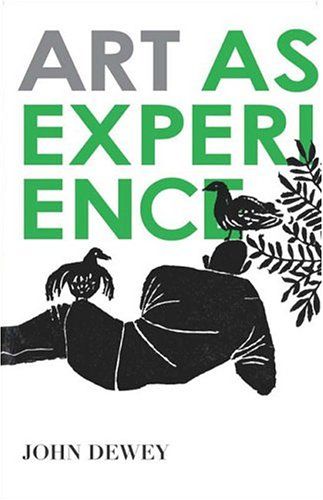
Nova: That's a great question, and it gets to the heart of the shift. It’s not about manufacturing emotion, but about intentionality. The philosopher John Dewey, in his seminal work "Art as Experience," argues that art isn't just an object, a finished product sitting on a pedestal. Instead, it's a dynamic experience shared between the creator and the audience. The art truly lives in that interaction, that journey.
Atlas: So it's not just about what you make, but what happens the art and the person experiencing it? That's a powerful reframing. It puts the audience's journey almost on par with the artist's.
Nova: Exactly. And Rick Rubin, in "The Creative Act," echoes this beautifully. He emphasizes that the true work of an artist is to connect to a source of inspiration, something beyond themselves, and to serve the art itself. It's about allowing the creation to speak with its own voice, rather than imposing your ego or technical prowess upon it.
Atlas: Serving the art... not serving or your ego? That's a huge mindset shift. It’s about being a conduit, not necessarily the master. How does that translate into making music that truly 'speaks with its own voice,' especially for someone who feels that profound connection to expression?
Nova: It transforms the entire creative process. Let's contrast our "Virtuoso of Empty Echoes" with another hypothetical artist, "The Weaver of Resonance." This artist, perhaps initially struggling with the same blind spot, decided to explicitly ask the deep question from "Beyond the Note" before even touching their instrument: "What is the core emotion or idea I want my audience to or when they experience this piece?"
Atlas: So it's about asking that deep question you even hit the first note? That's a massive difference. It forces you to define the destination before you start the journey.
Nova: Absolutely. Their process shifted. Instead of starting with complex technical ideas, they started with the. Perhaps they wanted to evoke profound hope, or the melancholy of a distant memory. They might engage in journaling, meditation, or simply deep reflection to truly connect with that core emotion. Their choices of melody, harmony, rhythm, and texture then flow that intended experience, rather than being dictated by technical challenge.
Atlas: So the 'why' informs the 'how', instead of the other way around. And the outcome? How does that feel to the audience, and to the artist?
Nova: The outcome is transformative. When the Weaver of Resonance performs, their music isn't just heard, it's. People in the audience might find themselves unexpectedly moved to tears, or filled with a quiet joy. They leave feeling understood, or with a new perspective. The artist, in turn, feels a profound sense of fulfillment, knowing they’ve created not just sound, but a shared, meaningful experience. This is Nova's take: moving beyond mere creation to intentional experience design elevates your music from sound to profound communication, allowing your authentic voice to resonate more deeply.
Atlas: That’s actually really inspiring. It’s about harnessing that innate drive to create, but channeling it through a lens of purpose and connection.
Synthesis & Takeaways
SECTION
Nova: And that, Atlas, is the profound journey we're talking about today. The journey from technical mastery to meaningful impact requires a conscious shift in perspective—from producing a product to designing an experience, from focusing solely on oneself to connecting with a deeper source of inspiration.
Atlas: That really hits home for anyone who's ever felt that disconnect between their effort and the impact they desired. For our listeners who are truly soulful innovators, it's about finding that 'why' that makes the 'how' truly matter. It’s about trusting that intuitive wisdom, as we often talk about, and letting your art lead.
Nova: Exactly. And for all our listeners, especially those who feel that innate drive to create, we want to leave you with that deep question from "Beyond the Note": What is the core emotion or idea you want your audience to or when they experience your latest piece?
Atlas: That's a powerful question because it forces you to look inward first, before you even consider the outward expression. It's about authentic impact, not just impressive sound.
Nova: It's the difference between making noise and making meaning, between a fleeting moment of admiration and a lasting resonance.
Atlas: And making a truly authentic connection. So, challenge yourself this week to dedicate specific time to explore that 'why' behind your creative choices. Let it transform your art from merely brilliant to deeply impactful.
Nova: This is Aibrary. Congratulations on your growth!