

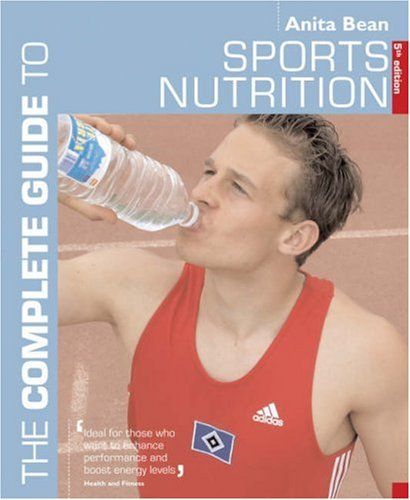
The Complete Guide to Sports Nutrition (Complete Guide to)
Introduction: The Secret Weapon Hiding in Your Kitchen
Introduction: The Secret Weapon Hiding in Your Kitchen
Nova: Welcome back to The Performance Blueprint. Today, we are diving deep into the text that many elite athletes consider their nutrition bible: Anita Bean’s "The Complete Guide to Sports Nutrition." Alex, we spend hours agonizing over training plans, but what if the real performance advantage is hiding in the pantry?
Nova: Exactly. It’s not just a collection of recipes; it’s described as the definitive practical handbook for anyone wanting a performance advantage. It promises to show you how improved nutrition can boost energy, accelerate training gains, and help you hit those higher competitive standards. It moves you from guessing to calculating.
Nova: Precisely. She strips away the noise. For endurance athletes, strength athletes, weekend warriors—everyone needs a different equation. We’re going to break down the core pillars she lays out, starting with the absolute foundation: energy balance and macronutrient mastery.
Key Insight 1: Calculating Optimal Needs
The Foundation: Moving Beyond Generic Advice
Nova: Let’s start with Chapter One in the book’s philosophy: Energy. Bean hammers home that you cannot optimize performance without first nailing your total energy requirement. If you’re under-fueled, every single training session is compromised.
Nova: It’s accessible. She provides clear frameworks for calculating those needs based on training load, sport type, and body composition goals. She emphasizes that for athletes, energy intake isn't just about maintaining weight; it’s about supporting adaptation. If you’re training hard for a marathon, your energy needs are vastly different from someone training for a powerlifting meet, even if they weigh the same.
Nova: She absolutely does, and this leads us perfectly into our next segment, but the initial focus is on establishing that energy baseline. Think of it like this: you can’t paint a masterpiece if you don’t have enough canvas. Energy is the canvas. Once you have the canvas size, you decide how much paint—carbs, protein, fat—you need to use.
Nova: Precision is the operative word. Bean is known for her evidence-based approach. She doesn't just say 'eat protein'; she guides you on how much protein per kilogram of body weight is necessary to maximize muscle protein synthesis, especially when you're in a calorie deficit for body composition goals. It’s about optimizing the of the fuel for the.
Nova: Exactly. And she frames this within the context of training phases. The macro needs for an off-season strength block are different from those during a peak competition phase. It’s dynamic nutrition, not static dieting. It’s about aligning your plate with your training calendar.
Nova: It is. And this foundation is crucial because the next pillar, which we’ll discuss next, is the primary fuel source that drives performance itself: Carbohydrates.
Key Insight 2: Carbohydrate Timing and Glycogen Recovery
The Carb Conundrum: Fueling Intensity and Endurance
Nova: She dives deep into the mechanics. Carbohydrate is your body's preferred fuel source for anything that requires significant power output—think sprints, heavy lifts, or long sustained efforts. The key insight here is the concept of glycogen stores and recovery time. We saw research indicating that full glycogen recovery can take, on average, 20 hours, depending on the severity of depletion.
Nova: Precisely. And Bean provides the specific intake targets—grams of carbohydrate per kilogram of body weight—needed to accelerate that replenishment. For heavy training days, she recommends significantly higher carbohydrate intakes to ensure those stores are topped up before the next session. This is where the endurance athlete's diet diverges sharply from the strength athlete’s.
Nova: For strength athletes, while carbs are still vital for fueling the high-intensity sets and preventing muscle breakdown, the shifts slightly more toward protein to support hypertrophy and repair. However, Bean stresses that even strength athletes need substantial carbs to fuel the heavy lifting sessions themselves. If you under-fuel carbs, your lifts suffer, and your recovery stalls because your body starts cannibalizing protein for energy.
Nova: It’s all about digestibility and timing. For a meal 2 to 4 hours out, she advocates for a balanced meal with carbs and a little protein. But if you’re only an hour out, you pivot hard to easily digestible, mostly carbohydrate sources—think oats, white bread, or diluted fruit juice. The goal is to top off the immediate fuel tank without causing gastrointestinal distress when you start moving.
Nova: For events exceeding 90 minutes, Bean advocates for consistent carbohydrate intake during the activity itself—often through sports drinks or gels—aiming for a specific hourly rate to maintain blood glucose and spare muscle glycogen. This is where the difference between training and competing becomes critical; you can often get away with less fuel during training, but competition demands precision.
Key Insight 3: Strategic Protein Intake
The Building Blocks: Protein, Body Composition, and Recovery
Nova: Moving beyond energy delivery, let's talk about the building blocks: Protein. In the world of sports nutrition, protein often gets the most hype, sometimes deservedly so, especially for strength athletes. What is Anita Bean’s take on optimal protein intake?
Nova: Absolutely. She grounds the advice in the research showing that MPS is maximally stimulated by specific doses of high-quality protein consumed at regular intervals. She provides those precise gram-per-kilogram targets that vary based on whether you are in a growth phase, a maintenance phase, or a cutting phase. It’s not just about hitting a daily total; it’s about strategic distribution.
Nova: Yes, that spaced approach is a cornerstone of modern sports nutrition, and Bean integrates it perfectly. She emphasizes that the timing around your training session is also paramount for recovery. Post-exercise, you need a combination of protein to kickstart repair and carbohydrates to replenish glycogen, creating that synergistic recovery effect.
Nova: This is where the book shines as a practical guide. She details how to structure the deficit carefully. You maintain a higher relative protein intake—sometimes pushing the upper limits of the recommended range—while slightly reducing fat intake, keeping carbohydrates strategically placed around the hardest training sessions to ensure performance doesn't crash. It’s a controlled demolition of body fat, not a starvation diet.
Nova: She does cover this, often addressing the need for complementary proteins or higher total intake for plant-based athletes to ensure they hit the necessary essential amino acid profiles, particularly leucine, which is key for MPS. It’s comprehensive enough to cover all dietary preferences while maintaining scientific rigor.
Key Insight 4: Evidence-Based Supplementation and Hydration
The Practical Edge: Hydration, Supplements, and Cutting Through Noise
Nova: Let’s talk about the final frontier for many athletes: supplements and hydration. Hydration is often overlooked until it’s too late. What’s Bean’s non-negotiable advice here?
Nova: You are spot on. Bean stresses individualized hydration planning based on sweat loss, which is measured by pre- and post-exercise weight changes. She provides clear guidelines on sodium replacement, which is often the missing link for athletes experiencing cramping or hyponatremia on long events. It’s not just about water volume; it’s about electrolyte balance.
Nova: She lands firmly in the evidence-based camp. She reviews the common supplements—creatine, caffeine, beta-alanine—and clearly categorizes them based on the strength of the scientific evidence supporting their use for performance enhancement. She’s not selling proprietary blends; she’s analyzing what actually works.
Nova: Exactly. She gives clear guidance on dosage and timing for the proven ones, like creatine for strength/power athletes, and she’s cautious about others. Furthermore, the newer editions, as we saw in the search results, even incorporate contemporary issues like RED-S—Relative Energy Deficiency in Sport—and athlete gut health, showing she keeps the content current.
Nova: Absolutely. It’s holistic. She treats nutrition as a performance tool that must support the entire physiological system, not just the muscles being worked. The book essentially gives you the framework to be your own skeptical, evidence-based nutritionist, which is invaluable when navigating the confusing supplement market.
Conclusion: Your Personalized Performance Equation
Conclusion: Your Personalized Performance Equation
Nova: We’ve covered a lot of ground today, Alex, from establishing baseline energy needs to the precise timing of carbohydrate intake and the evidence-based vetting of supplements. If there’s one overarching theme from Anita Bean’s "Complete Guide to Sports Nutrition," what is it?
Nova: I agree. The actionable takeaway for every listener today, whether you’re a competitive athlete or someone just trying to get fitter, is to identify one area where you are currently guessing—is it your pre-workout snack? Your daily protein target? Your hydration strategy?—and use Bean’s framework to replace that guess with a calculated strategy.
Nova: Indeed. Anita Bean has created a resource that is both scientifically rigorous and incredibly practical, which is a rare combination. It’s the manual for optimizing the engine that drives all your hard work in the gym or on the track.
Nova: Well said. That’s all the time we have for this deep dive into the definitive guide. We hope this has inspired you to look closer at what you’re putting on your plate to fuel your next breakthrough.
Nova: This is Aibrary. Congratulations on your growth!