

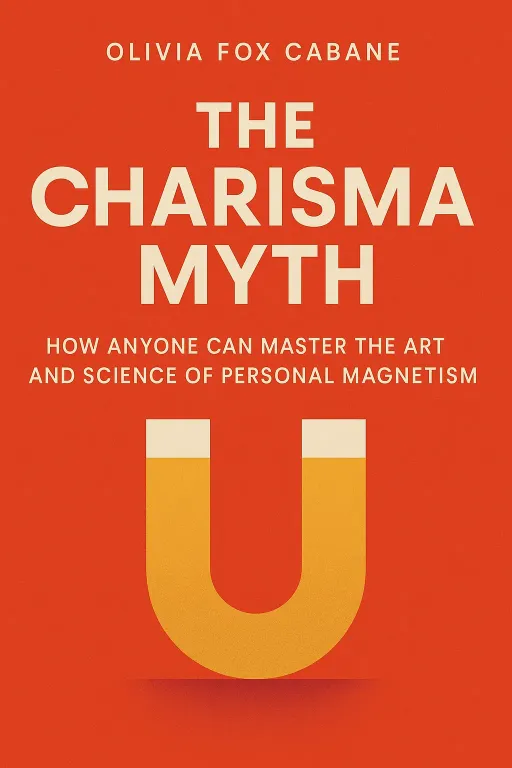
The Charisma Code: Unlocking Your Natural Influence Without Being Fake
Golden Hook & Introduction
SECTION
Nova: Atlas, rapid-fire word association: "Influence." Go.
Atlas: Oh, man. Influence... manipulation, sometimes. If I'm honest.
Nova: Interesting. Okay, "Connection."
Atlas: Awkward silences, if I'm not careful. That's my current reality.
Nova: Alright, last one: "Charisma."
Atlas: Born with it, or not... right? That's what everyone says. It's like some cosmic lottery.
Nova: Ah, the myth! That's precisely the limiting belief we're crushing today. We're diving into "The Charisma Code," a concept that completely redefines what we think charisma is. This isn't just some fluffy self-help idea; it’s deeply informed by experts like Olivia Fox Cabane, who actually teaches charisma to executives at places like Stanford and MIT. She shows it's a skill, a muscle you can train, not a superpower you’re either granted or denied.
Atlas: Wait, so it's not just for the naturally gifted? That's a huge claim for a lot of our listeners who feel like they're constantly fighting for attention or trying to make an impact, especially in leadership roles. They probably think, "I'm just not that kind of person."
Nova: Exactly! And that's what holds so many back. Today, we’re going to unlock this 'code' and show how aspiring leaders and confident communicators can cultivate authentic influence without ever feeling fake.
Charisma as a Learnable Skill: Debunking the Myth
SECTION
Nova: So, Cabane, in her work, breaks charisma down into three fundamental pillars: Presence, Power, and Warmth. And here's the crucial part: each one is a learnable behavior.
Atlas: Okay, 'presence,' 'power,' 'warmth.' They sound like big, abstract concepts. How do you even begin to 'learn' something like 'presence'? I mean, I try to pay attention, but my mind's always racing.
Nova: That's a perfect question, Atlas, because presence isn't just about 'looking' at someone. It's about being fully here, now, in the moment, with that person. Think of a leader who is physically in the room, but their eyes are darting, or they're clearly planning their next email in their head. You feel it, right? You feel like you're not important enough to warrant their full attention.
Atlas: Oh, I've been there. Both as the person trying to talk to them, and, honestly, as the distracted person. It feels like a disconnect, a barrier.
Nova: Precisely. And the opposite is true for charismatic individuals. Imagine a leader who, when you speak, makes you feel like you are the only person in their universe. Their gaze is steady, their body language open, they're listening intently without forming their reply. That's presence. It creates a deep sense of validation and connection. It’s an internal state that manifests externally.
Atlas: So it's like, they're not just hearing your words, they're absorbing your meaning. That's huge for building trust. But how does 'power' fit into that? Because sometimes, 'power' can feel intimidating, not connecting.
Nova: That's a common misconception. In the context of charisma, power isn't about dominance or making others feel small. It's about the of your ability to affect the world around you. Think of a leader who, even in a crisis, remains calm, articulate, and decisive. They project an aura of competence and capability. They inspire confidence because people believe they can navigate challenges. It's an internal belief in one's own efficacy that translates into outward calm and assurance.
Atlas: Ah, so it's not about being loud or aggressive, it’s about projecting quiet competence. That makes sense. It's less 'I'm in charge' and more 'I've got this.' And 'warmth'? That seems more straightforward, but I imagine there's a nuance there too.
Nova: Absolutely. Warmth is about goodwill and empathy. It's about genuinely caring for others, showing kindness, and making people feel valued. Imagine a leader who, despite their busy schedule, remembers a small detail about your life, or genuinely asks how your weekend was, and waits for the answer. That authentic interest builds loyalty and emotional connection. It’s the balance of competence with genuine concern.
Atlas: So, if you're projecting competence, but you're also aloof, you might be powerful but not charismatic. And if you're warm but seem completely lost, you might be nice but not inspiring significant action. It's a strategic combination, then?
Nova: Exactly! It’s the strategic combination of all three. If you have presence and power but lack warmth, you might be seen as intimidating or cold. If you have warmth and presence but lack power, you might be seen as a great friend, but not necessarily a leader. True charisma is when those three elements dance together, creating a powerful, authentic connection that inspires others. It's not about being someone you're not; it's about amplifying the best parts of who you already are.
Ethical Influence: The Science Behind Charismatic Persuasion
SECTION
Nova: Once you start building these muscles of presence, power, and warmth, you naturally become more influential. But how does that influence actually work? And how do we ensure it's always ethical, especially for leaders who need to guide and inspire?
Atlas: That's a critical point. Because if you've got this 'charisma code' unlocked, you've got a lot of power. How do you wield it responsibly? I'm curious about the 'how' behind people actually saying 'yes' to charismatic individuals.
Nova: That's where thinkers like Robert Cialdini come in. His work on the six universal principles of persuasion is a masterclass in understanding how charismatic individuals naturally, and often unconsciously, leverage these principles. Let's look at two: Reciprocity and Scarcity.
Atlas: Reciprocity and Scarcity. Okay, I'm already hearing alarm bells for manipulation, especially with 'scarcity.' How do we keep that ethical?
Nova: That's the key distinction. Ethical influence isn't about tricking people; it's about genuinely building rapport and guiding decisions by understanding human nature. Take reciprocity. Charismatic people are often givers. They offer value, support, or genuine kindness without immediately expecting something in return. This creates a natural, human desire to return the favor.
Atlas: Like a mentor who offers unsolicited, valuable advice that genuinely helps you. You naturally feel more inclined to listen to them in the future, or even help them out if they ask.
Nova: Precisely. It builds a foundation of goodwill. It's not a transactional exchange; it's about establishing a relationship where both parties feel valued. Now, scarcity, as you mentioned, can be tricky. But in an ethical context, it's about highlighting genuine, limited opportunities or resources.
Atlas: So, you're saying, if a leader presents an opportunity as 'this is a unique window, we have a limited time to act on this,' it's not about manufacturing fake urgency?
Nova: Exactly. It's about emphasizing value. Imagine a visionary leader who says, "This project is a rare chance to innovate in this space, and the window for this specific market entry is closing." They're not trying to create artificial pressure; they're highlighting the genuine, time-sensitive nature of the opportunity, which naturally increases its perceived value and encourages decisive action from their team. It's about clarity and transparency, not coercion.
Atlas: That makes a lot more sense. It's about framing the truth of the situation in a way that motivates, rather than fabricating a situation to force a decision. So the intention behind using these principles is everything.
Nova: Absolutely. Charismatic individuals use these principles not to manipulate, but to align people towards a shared vision, to build stronger teams, and to inspire genuine commitment. It's about understanding the psychology of connection and motivation so you can lead more effectively and authentically.
Synthesis & Takeaways
SECTION
Nova: So, what we're really talking about here is that charisma isn't some mystical quality for a select few. It's a strategic combination of internal states and external behaviors – presence, power, warmth, and an understanding of ethical influence – that can be cultivated. It’s about being your most authentic, impactful self.
Atlas: That's actually really inspiring. For an aspiring leader, this isn't about putting on a show or pretending to be someone you're not. It's about amplifying your true self to connect more deeply, inspire genuine action, and build trust. It's about becoming the kind of leader people to follow.
Nova: Exactly. And the beautiful part is, you can start today. It begins with tiny steps. Our challenge for you this week, our tiny step, is to practice active listening in your next conversation.
Atlas: Oh, I love that. Just focus entirely on the other person, without planning your reply. No mental to-do lists, no rehearsing your comeback. Just pure, unadulterated listening.
Nova: Give it a try. Observe the outcome. You might be surprised at the depth of connection you can create. And we'd love to hear about your experiences. Share your insights and how that tiny step shifted your interactions. Let's make this journey of self-betterment a shared one.
Atlas: That's a perfect example of how small changes can lead to profound impact. This is Aibrary. Congratulations on your growth!









