

Stop Speaking, Start Connecting: The Guide to Authentic Influence.
Golden Hook & Introduction
SECTION
Nova: What if I told you the most impactful leaders aren't born with a magic 'it' factor, but rather meticulously craft their influence, one intentional interaction at a time? For too long, we've been sold a myth, and it's time to debunk it.
Atlas: Oh man, that's a bold statement, Nova. Because honestly, for many aspiring leaders out there, that "magic it factor" feels incredibly real, and often, incredibly out of reach. We see someone command a room and just think, "Well, they're just."
Nova: Exactly! And that very thought is the blind spot we're here to illuminate today. We're diving into a powerful reframe, inspired by the insights in a fantastic guide: 'Stop Speaking, Start Connecting: The Guide to Authentic Influence'—a book that challenges our deepest assumptions about what makes someone truly impactful.
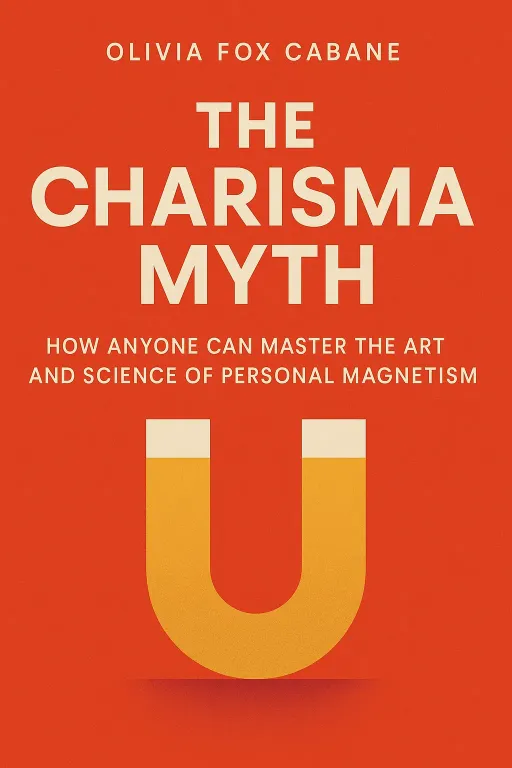
Atlas: And it draws on the brilliant work of minds like Olivia Fox Cabane, an executive coach renowned for demystifying charisma, and Carmine Gallo, who rigorously analyzed the secrets of top TED speakers. These aren't just theories; these are frameworks built on observing real-world impact.
Nova: Precisely. And what they reveal fundamentally shifts our understanding of communication from a daunting performance to a strategic, learnable process. It’s about empowering you to connect deeply, authentically, and, yes, charismatically.
The Charisma Myth: From Innate Trait to Learnable Skill
SECTION
Atlas: So, let's tackle this "blind spot" first, Nova. This idea that charisma is something you're just born with. I imagine a lot of our listeners, especially those striving for leadership roles, have felt that pang of inadequacy, watching someone effortlessly hold an audience, and thinking, "I could never do that."
Nova: Absolutely, Atlas. It's a pervasive myth, and it's incredibly damaging because it stops people from even trying. We observe someone with what appears to be effortless charm or magnetic presence – perhaps a CEO who captivates a boardroom, or a keynote speaker who leaves everyone buzzing – and we immediately label it an innate 'gift.'
Atlas: Right. It’s almost like saying, "They were just born with a silver tongue," or "They have that natural stage presence." And if you don't feel like you have it, you're out of luck.
Nova: Exactly the point. The cause of this blind spot is often a superficial observation. We see the – the captivated audience, the influential leader – but we don't see the that led to it. We attribute success to an unchangeable trait rather than a cultivable skill. The process is this internal attribution error, where we mistakenly believe charisma is fixed.
Atlas: And the outcome of that, then, is a kind of resignation? A belief that if you weren't born with it, you can't develop it? That’s going to resonate with anyone who’s ever felt overlooked in a meeting or struggled to articulate their vision.
Nova: Precisely. That belief leads to stagnation, missed opportunities, and a sense of defeat before you even begin. Olivia Fox Cabane’s work, in particular, completely dismantles this. She argues that charisma is not a mystical quality some are born with; it's a combination of specific, learnable behaviors. It’s a skill, like playing an instrument or learning a language.
Atlas: So you're saying that magnetic presence, that ability to draw people in, it's not some lucky genetic lottery win? It's something you can actually practice and improve? That’s a huge reframe.
Nova: It's a monumental reframe! Think of it this way: a masterful musician isn't born playing complicated concertos. They practice scales, learn theory, develop technique, and hone their craft over years. Charisma works the same way. It's about understanding its components and then intentionally practicing them. It's about amplifying your authentic self, not transforming into someone else entirely.
Atlas: That makes perfect sense. It turns something that felt like a fixed ceiling into an open door of possibility, especially for those of us who want to lead and connect more effectively.
Nova: Which brings us to the crucial question: if it's a skill, Atlas, what the building blocks? What do Cabane and Gallo tell us about how to actually cultivate this 'authentic influence'?
Deconstructing Authentic Influence: The Pillars of Presence, Power, Warmth, and Storytelling
SECTION
Atlas: Okay, so if we can all learn this, what are the actual ingredients? What are we looking for when we try to be more... influential?
Nova: Great question. Cabane identifies three core components: Presence, Power, and Warmth. Think of them as the three legs of a very sturdy stool. First,. This is about being fully in the moment, truly listening and engaging. It’s not about waiting for your turn to speak, or mentally drafting your next email.
Atlas: That’s a tough one in today's multi-tasking world. For someone in a high-stakes environment, always juggling a million things, how do you even begin to practice 'presence' in a way that feels authentic and not... performative?
Nova: It starts small. One micro-practice could be, before you walk into any conversation or presentation, take three deep breaths and consciously bring your attention to your feet on the ground. Or, when someone is speaking, focus all your attention on their words, not just what they're saying, but how they're saying it. Notice their facial expressions, their tone. That simple act of truly and someone is a profound act of presence. It's the opposite of being distracted.
Atlas: Like how you can tell when someone’s just nodding along versus actually absorbing what you’re saying. That makes a huge difference in how connected you feel to them.
Nova: Absolutely. Next up is. This isn't about dominance, but about communicating competence, capability, and influence. It’s the sense that you know what you’re talking about and can deliver on your promises. It’s conveyed through confident body language, clear articulation, and decisiveness.
Atlas: So it’s not just about what you say, but you say it, and how you carry yourself. I can see how that would be critical for an aspiring leader; you need to project that you’re capable.
Nova: Precisely. And then there's. This is about showing goodwill, empathy, and a genuine concern for others. It’s the feeling that you have someone’s best interests at heart. It’s conveyed through a genuine smile, open gestures, and active listening that shows you care. A leader might demonstrate warmth by remembering details about their team members' lives or by offering sincere encouragement.
Atlas: So, presence, power, and warmth. Those make intuitive sense. But how does Carmine Gallo’s work on TED speakers, with their structure, storytelling, and passion, fit into this?
Nova: They're complementary! Gallo's insights show us to operationalize Cabane's triad. Think about it: in a presentation or conversation helps you project competence and clarity – that's power. is a phenomenal vehicle for conveying warmth, empathy, and making complex ideas accessible and relatable. It builds connection.
Atlas: Right, like sharing a personal anecdote or a vivid case study to illustrate a point. That immediately makes you feel more connected to the speaker.
Nova: Exactly! And? That infuses everything. It makes your presence more engaging, your power more compelling, and your warmth more genuine. When you're passionate about your message, it naturally amplifies all three of Cabane's components. It’s not about being someone else; it’s about amplifying your authentic self through these strategic elements.
Atlas: So, for our listeners who are aspiring leaders, the journey to authentic influence isn't about trying to charismatic. It's about strategically cultivating presence, projecting competence, showing genuine empathy, and then using clear structure, compelling stories, and your own passion to deliver your message.
Nova: You've got it. It's a strategic, learnable process, not a mystical gift. And the beauty is, these skills aren't just for the big stage. They enhance every single interaction, from a one-on-one meeting to a team presentation.
Synthesis & Takeaways
SECTION
Atlas: Honestly, that's incredibly empowering. It shifts the whole paradigm from "I hope I'm charismatic enough" to "What small, intentional steps can I take today to be more present, powerful, and warm?"
Nova: And that's the profound insight here. Authentic influence isn't about putting on an act. It's about deeply understanding yourself and others, and then strategically honing the communication skills that allow your true self to shine and connect. It's how you achieve clear, confident impact in your career and build genuine relationships.
Atlas: That’s such a hopeful way to look at it. It means we all have the capacity to become more influential, more connected, more ourselves, really.
Nova: Absolutely. So, for everyone listening, here's a small but mighty challenge: In your very next conversation or presentation, pick just of these components – presence, power, or warmth – and intentionally focus on it. Maybe you decide to be fully present, making deliberate eye contact and truly listening. Or perhaps you'll focus on clear, concise articulation to project power. Start small, practice daily, and watch the shifts begin.
Atlas: That's a fantastic, actionable takeaway. It ties right back to the idea that structure begins in the mind, and practice makes perfect.
Nova: Indeed. Remember, the goal isn't to be perfect, but to be intentional.
Nova: This is Aibrary. Congratulations on your growth!









