Systems for Peak Professional Performance
Golden Hook & Introduction
SECTION
Nova: Atlas, if I were to drop the phrase "Systems for Peak Professional Performance" on you, right here, right now, what's the very first, unvarnished thought that pops into your head?
Atlas: Oh, I like that! My first thought is probably another 30-day challenge that, let's be honest, usually ends on day two. Or perhaps a spreadsheet so incredibly complex it needs its own dedicated spreadsheet to manage it. No offense to spreadsheets, of course.
Nova: None taken, but I get it. The idea of 'systems' can sometimes feel like more work than the work itself. But what if these systems weren't about adding complexity, but about strategically removing friction, clarifying purpose, and accelerating your path to exactly where you want to be?
Atlas: Now you've got my attention. For someone driven by financial growth and optimizing their career path, that sounds less like a chore and more like a cheat code. We're talking about tangible, actionable paths to wealth and a solid future, right? Not just abstract productivity hacks.
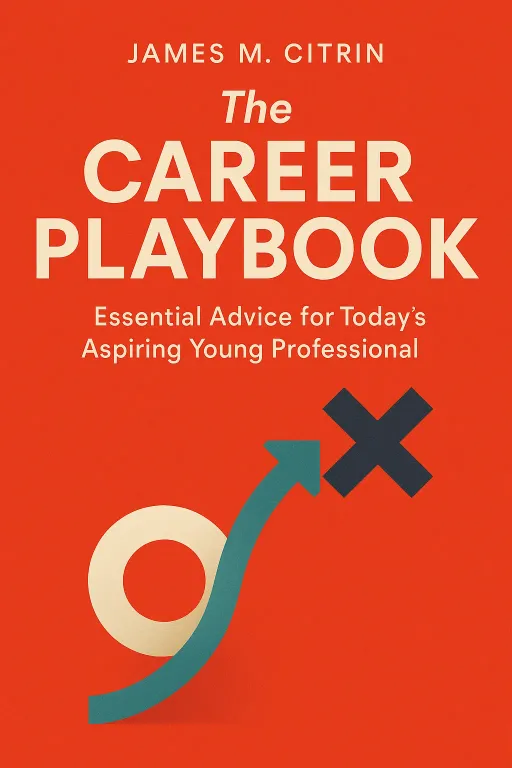
Nova: Absolutely. Today, we're pulling back the curtain on two fundamental concepts that, when woven together, form an incredibly powerful system for career and financial acceleration. We’re drawing insights from James M. Citrin's "The Career Playbook," which lays out the critical 'First 100 Days' framework for establishing credibility, and Allan H. Church and his colleagues' "The Handbook of Strategic 360 Feedback," which is all about unearthing those leadership blind spots. These aren't just academic theories; they are blueprints for building a professional trajectory that truly matches your ambitions.
Atlas: That's a great setup. Because for anyone out there who's a strategist, a navigator, a visionary – someone who's looking to not just grow, but to that growth financially and professionally – understanding how to actively design your career, rather than passively react, is everything. So, what’s the starting line for this accelerated journey?
Nova: The starting line, Atlas, is often the beginning of any new endeavor, whether it’s a new job, a new project, or even a significant strategic pivot within your existing role. It’s what James Citrin masterfully outlines as "The First 100 Days."
The Power of the First 100 Days: Establishing Credibility and Impact
SECTION
Nova: Think about it: when you step into a new environment, there's a unique window of opportunity. People are watching, expectations are forming, and your initial actions carry disproportionate weight. Citrin argues that these first 100 days aren't just about learning the ropes; they are a meticulously designed period for establishing credibility, building key relationships, and securing early wins that set the tone for your entire tenure.
Atlas: Hold on, so this isn't just for new hires straight out of business school? What if you're already established, a seasoned professional perhaps leading a team, but you're looking to elevate your strategic influence or take on a significantly larger, more financially impactful role? How does a 'First 100 Days' framework apply then?
Nova: That's the beauty of it, Atlas. It's a mindset, not just a calendar event. Imagine a senior executive, let's call her Sarah, who’s been tasked with turning around a stagnant product division. It’s not a new company, but it's essentially a 'new role' in terms of its challenges and expectations. Sarah knows her reputation, and her financial future, hinges on this. Instead of diving in headfirst with immediate changes, she meticulously plans her 'First 100 Days'.
Atlas: Okay, so what does that planning look like? What specific steps does she take to establish credibility, especially when she might be walking into a situation where morale is low or previous efforts have failed?
Nova: Exactly. Sarah doesn't just assess; she. First, she dedicates the initial weeks to intensive listening and learning – not just about the numbers, but about the people, the culture, the unwritten rules. She schedules one-on-one meetings with every key stakeholder, from her direct reports to cross-functional partners and even key customers. She's not just asking "What's wrong?", but "What's working?", "What are the biggest untapped opportunities?", and "What's one thing, if fixed, would make the biggest difference for?"
Atlas: That makes sense. It’s about building a map of the political and operational landscape, identifying allies, and understanding where the real leverage points are. But for someone focused on accelerated financial growth, how does this translate into concrete value and not just good PR?
Nova: That’s where the 'early wins' come in. After this intense learning phase, Sarah identifies a few high-impact, achievable projects that can be completed within those 100 days. These aren’t necessarily the biggest, most complex problems, but rather issues that are visible, impactful, and demonstrate her ability to execute and bring positive change. For instance, she might tackle a long-standing customer service issue that's been a persistent complaint, or streamline a bottleneck in the product development process that causes delays.
Atlas: Right, like finding a relatively quick fix that everybody can see and feel the benefit of. It’s a strategic demonstration of competence and leadership, not just abstract vision. It builds momentum.
Nova: Precisely. And by achieving these early wins, Sarah doesn't just improve operations; she builds crucial social capital. Her team sees her as effective, her peers see her as a problem-solver, and her superiors gain confidence in her ability to handle larger, more strategic initiatives that will ultimately drive significant financial growth for the company and, by extension, for her career. It establishes a positive feedback loop from the outset.
Atlas: So, the 'First 100 Days' is less about a rigid timeline and more about a strategic framework for demonstrating value, building alliances, and laying the groundwork for long-term influence and financial success, even if you’re not brand new to a company. It’s about. But what happens after those initial 100 days? How do you keep that momentum going, especially when you're navigating complex professional landscapes?
Unmasking Blind Spots: The Strategic 360 Feedback Loop
SECTION
Nova: That naturally leads us to the second pillar of peak professional performance: continuous self-awareness, specifically through strategic 360-degree feedback, as championed by Allan H. Church and his colleagues. If the 'First 100 Days' is about making an initial impact, 360 feedback is about ensuring that impact is sustainable, growth-oriented, and free from unseen obstacles.
Atlas: Okay, I’ve heard of 360 feedback. Isn't it just a fancy term for asking everyone what they think of you, which can sometimes feel more like a popularity contest than a genuine growth tool? For a visionary who's charting an ambitious course, perhaps even disrupting norms, how do you ensure this kind of feedback doesn't just dilute your vision or bog you down in minor criticisms?
Nova: That's a critical distinction, Atlas. The "strategic" in "strategic 360 feedback" is key. It's not about popularity; it's about identifying specific leadership behaviors and blind spots that might be hindering your strategic influence and, ultimately, your ability to achieve those ambitious financial and professional goals. It moves beyond subjective opinions to actionable insights based on observable behaviors.
Atlas: So, how does it work in practice? What kind of blind spots are we talking about that someone might miss, especially if they're already highly driven and successful?
Nova: Imagine our executive, Sarah, now a year into her role. She's delivered on her initial promises, but she feels a subtle resistance to her more audacious, long-term strategic proposals. She believes she's being clear and direct, but her initiatives aren't gaining traction as quickly as she'd like. Her 360 feedback reveals a pattern: while her direct reports admire her drive, some cross-functional leaders perceive her as overly assertive, sometimes even dismissive of their input in meetings.
Atlas: Ah, so it’s not that she’s incompetent, but her is inadvertently creating resistance. That’s a classic blind spot for high-achievers – the very traits that drive their success can sometimes become their biggest liabilities when not modulated.
Nova: Exactly. Her intention is to be decisive, but the is that she's seen as uncollaborative, which erodes her strategic influence. The feedback isn't saying "be less decisive," but "consider how your decisiveness lands on others." This isn't just about being 'nicer'; it's about understanding how to communicate her vision in a way that builds consensus and leverages collective intelligence, rather than alienating potential allies.
Atlas: That’s a powerful insight. Because if you're aiming for accelerated financial growth, you can't do it alone. You need to influence, collaborate, and lead effectively. But how do you ensure the feedback is truly honest, especially when people might be hesitant to criticize someone in a position of power? And how do you make it actionable beyond just "be better"?
Nova: That's where the design of the feedback process is crucial. It needs to be anonymous, focused on specific behaviors rather than personality, and tied to clear development goals. A skilled facilitator can help interpret the data, translating it into specific, measurable actions. For Sarah, it might be consciously practicing active listening in meetings, asking more open-ended questions, and explicitly acknowledging contributions from others before presenting her own viewpoint. It's about developing new behaviors that enhance her strategic influence.
Atlas: So, the strategic 360 feedback isn't just about identifying problems; it's about providing a roadmap for refining your leadership style to unlock greater influence and accelerate your career trajectory. It’s like having a high-definition mirror that shows you not just what you look like, but how you’re to be acting in critical moments.
Synthesis & Takeaways
SECTION
Nova: Precisely, Atlas. And this brings us to the ultimate takeaway from combining these two powerful concepts. The initial impact of the 'First 100 Days' and the continuous refinement from strategic 360 feedback culminate in what we can think of as implementing a 'personal board of directors.'
Atlas: Oh, I like that! A personal board of directors. For someone who’s a strategist, a visionary, aiming to optimize their career for financial abundance, that sounds like a serious competitive advantage. But what does a 'personal board of directors' actually entail, and how do you build one?
Nova: It's not a formal legal entity, of course, but a curated, trusted network of individuals who commit to providing you with regular, candid, 360-degree feedback on your strategic influence and career trajectory. These are people who know you well, perhaps former bosses, mentors, trusted peers, or even external coaches, who have a vested interest in your success and are willing to speak hard truths.
Atlas: So, you're not just waiting for an annual review. You're proactively seeking out this crucial, strategic feedback. How often should this 'board' meet, and what kind of questions should they be asking?
Nova: The recommendation is quarterly check-ins. This frequency ensures the feedback is timely and allows for proactive course correction. The questions aren't just "How am I doing?" but "Am I effectively communicating my strategic vision?", "Are my actions aligning with my stated ambitions for growth?", "Where do you see blind spots in my approach to X strategic initiative?", or "How am I perceived in high-stakes situations when I'm trying to influence key decisions?" It’s about measuring your against your ambitious goals.
Atlas: That’s a game-changer. Instead of drifting, hoping your career trajectory aligns with your financial ambitions, you’re actively steering it. You're getting real-time intelligence from multiple perspectives on whether your actions are actually moving you closer to your goals, or if unconscious behaviors are subtly holding you back. What’s the ROI on investing time in building and managing such a board?
Nova: The return on investment is immense, Atlas. It's accelerated learning. It's avoiding costly missteps that could derail a promotion or a strategic project. It's expanding your network with people who are deeply invested in your success. Most importantly, it's about ensuring your professional path is always optimized for your ultimate financial and personal abundance goals. It’s the difference between hoping you’re on the right track and you are, because you have multiple, trusted navigators constantly checking your coordinates.
Atlas: That's a truly profound insight. It's about designing your own feedback loop for continuous, strategic optimization. For anyone listening who's driven by that desire for accelerated financial growth and career optimization, this isn't just about working harder; it’s about working smarter, with a profound level of self-awareness and strategic guidance. It's about building a solid future, one informed decision at a time.
Nova: Exactly. So, what would your personal board of directors tell you about your strategic influence today? What's one critical piece of feedback that could redefine your next 100 days?
Nova: This is Aibrary. Congratulations on your growth!