Mastering the Corporate Game & Career Launchpad
Golden Hook & Introduction
SECTION
Nova: We're often told to work hard, keep our heads down, and success will naturally follow. We believe in meritocracy, that our effort alone will propel us forward. But what if that's only half the story? What if the real game is played in the shadows, with unwritten rules and invisible power structures that most of us aren't even aware of?
Atlas: Whoa. Invisible power? Unwritten rules? That sounds less like a career path and more like a corporate spy novel! What’s the other half of this story, Nova? Because for many of us, the idea of just working hard and being good at our jobs is the entire playbook.
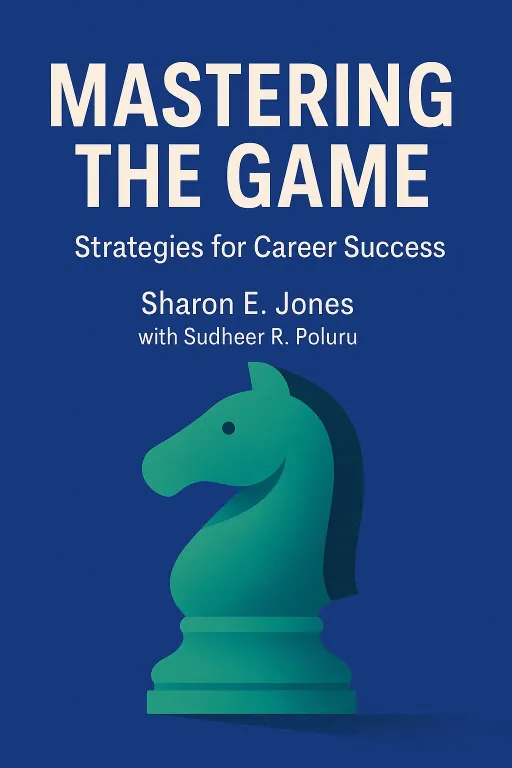
Nova: Exactly. And that's where the insights from two incredible resources come into play today. First, we're diving into "Mastering the Game" by Sharon E. Jones and Sudheer R. Poluru. Sharon Jones, a former senior executive and lawyer, brings decades of insider knowledge, pulling back the curtain on how corporate politics and informal networks truly operate.
Atlas: Oh, I like that. It’s like getting the secret decoder ring for the corporate world. And then there's James M. Citrin's "The Career Playbook," right? He’s a prominent executive recruiter, so he literally sees what gets people hired, promoted, and successful from the ground up.
Nova: Absolutely. Citrin's book is widely considered a foundational text for anyone looking to intentionally shape their professional journey. What both books illuminate, from their distinct vantage points, is the strategic side of career progression. It’s about moving beyond just doing your job well, to understanding the ecosystem you’re operating in.
The Invisible Game – Unwritten Rules & Power Structures
SECTION
Nova: So, let's start with this idea of the "invisible game." Jones and Poluru argue that especially for underrepresented professionals, success isn't just about formal skills or hitting targets. It's about recognizing and navigating what they call "unwritten rules" and "informal power structures." These aren't necessarily malicious, but they’re the unspoken truths of how things get done, who gets heard, and whose careers accelerate.
Atlas: Unwritten rules. That makes me wonder, what are these rules? Give me a concrete example, Nova, because for a lot of our listeners, myself included, we just see the organizational chart, the job description, and the official processes. We assume that's the whole story.
Nova: Let’s take a classic example: the "lunch table" phenomenon, or the impromptu hallway conversation. Imagine a critical decision is being made, or a new project is being scoped out. The formal meeting might be next week, but the real groundwork, the consensus-building, the initial brainstorming, often happens in these informal spaces. It's the conversation over coffee, the quick chat after a team meeting, or even the weekend golf game.
Atlas: Ah. So, if you’re not invited to those informal spaces, you’re already behind. You’re not just missing out on lunch; you’re missing out on key information and influence. That's a huge disadvantage, especially if you're new to a company or come from a background where those social cues aren't obvious.
Nova: Precisely. Or consider the concept of "sponsorship" versus "mentorship." A mentor offers advice and guidance. Invaluable, right? But a sponsor is someone with significant influence who actively advocates for you behind closed doors, puts your name forward for opportunities, and uses their political capital to advance your career. This isn't something you apply for; it's an informal relationship built on trust and demonstrated potential.
Atlas: That sounds rough, but also incredibly powerful. For someone who just wants to do good work and assume their contributions will be recognized, this can feel like a betrayal of the meritocratic ideal. Isn't that just office politics? Doesn't it sound manipulative?
Nova: That's a great question, and it's a common initial reaction. But Jones and Poluru reframe it. It’s not about manipulation; it’s about awareness and strategic navigation. Think of it as understanding the operating system of a company, rather than just using the applications. If you don't understand the underlying code, you might struggle to make the applications perform optimally. It’s about not being blindsided by dynamics that are already at play. For underrepresented professionals, who might not have had family or friends in similar corporate roles to guide them, understanding these unwritten rules becomes even more crucial for creating a level playing field. It's about acquiring the knowledge to empower yourself.
Atlas: So, it's less about playing dirty and more about playing smart. It’s about recognizing that there’s a hidden game board and if you don’t even know it exists, you can’t make your moves effectively. That makes me wonder, how do you even begin to these invisible structures? What’s the first step to decoding them?
Nova: The first step is observation. It’s about listening more than you speak in certain situations, noticing who gets called upon in meetings, who has the ear of senior leaders, and how decisions are made versus how the official policy says they should be made. It's about connecting the dots between visible outcomes and invisible influences. It's a skill, like any other, that can be developed.
Crafting Your Narrative & Building Strategic Alliances
SECTION
Nova: Understanding the game is one thing, but how do you actually play it effectively, especially when you’re starting out or looking to make a significant leap? That's where Citrin's "Career Playbook" really shines, especially when we pair his practical advice with the insights from Jones and Poluru about power and relationships. Citrin emphasizes the importance of a compelling personal narrative.
Atlas: A personal narrative? I thought it was just about listing achievements on a resume or having a good LinkedIn profile. How do you "craft" that? What if you're just starting out and don't have a grand story yet, you just have... potential?
Nova: That's the beauty of it. Citrin argues your personal narrative isn't just a historical account; it's a forward-looking story of your unique value, your aspirations, and how you connect the dots between your past experiences and your future contributions. It’s about articulating your "why." He shares an example of a young professional who, early in their career, felt pigeonholed by their initial role. Instead of just doing their assigned tasks, they actively sought out volunteer projects within the company that aligned with their passion for, say, sustainability. They didn't wait for permission; they created their own opportunities to build a narrative around "I am the person who champions sustainable initiatives," even before it was their official job.
Atlas: I see. So it's about being proactive in shaping perception, not just passively hoping your work speaks for itself. It’s almost like you’re writing your own job description, in a way, through your actions and the story you tell about them. That’s a powerful idea. But then, what about strategic relationships? It sounds like networking, but "strategic" adds a layer. How do you build those authentically without feeling like you're just using people?
Nova: That's a crucial distinction. Strategic relationships, as both books imply, are about mutual value exchange, not just transactional favors. It begins with identifying those key influencers or "power brokers" we talked about from "Mastering the Game." It's not about swarming them, but about observing where value can be added. Perhaps you have expertise in a niche area that could genuinely help them, or you can connect them with someone valuable. It's about building a genuine connection over time, focusing on adding value first, and being a reliable, insightful resource.
Atlas: So, it’s not about collecting business cards; it’s about cultivating connections that are mutually beneficial, almost like building a personal board of advisors. That makes a lot more sense. It shifts the focus from "what can this person do for me?" to "how can we both grow from this interaction?" For a curious learner, that resonates, because it’s about expanding your understanding and your reach.
Nova: Exactly. And the "Playbook" emphasizes that these relationships aren't just for job hunting. They're for gathering intelligence about those unwritten rules, for getting early insights into industry trends, and for finding those sponsors we discussed. It's about building a web of support and insight, not just a ladder to climb alone. It's active, intentional, and continuous.
Synthesis & Takeaways
SECTION
Nova: So, bringing these two powerful perspectives together, the common thread is clear: intentionality. It's about being an active participant in your career, not just a passive recipient of opportunities or a victim of unseen corporate dynamics. It’s about understanding the environment and then consciously designing your actions within it.
Atlas: So, it's about being smart about you work, not just you work. It’s about understanding the hidden curriculum, the unspoken rules that dictate who gets ahead and why. For our listeners who love deep thinking, this isn't just about getting ahead, it's about understanding human systems, isn't it? It's almost sociological.
Nova: It absolutely is. It’s a deep dive into human behavior, power dynamics, and self-advocacy. And the beautiful part is, once you understand these principles, you can apply them at any stage of your career, whether you’re just launching or aiming for that next big leadership role. It's a continuous process of observation and strategic action.
Atlas: That’s a powerful insight. It really encourages you to look beyond the surface. So, what’s a tiny step our listeners can take this week to start applying these ideas?
Nova: Great question. This week, reflect on your current professional environment. Identify one 'unwritten rule' you've observed—perhaps it's how decisions are made, or who seems to hold informal influence. Then, identify one strategic relationship you can cultivate. Not just someone you like, but someone who could genuinely offer a new perspective or connect you to valuable information. How might understanding that unwritten rule change your approach next week, and how can you add value to that strategic relationship?
Atlas: That’s a fantastic way to put it into practice. It's about observing, then acting. What's one unwritten rule you've observed this week, and how might understanding it change your approach next week? We’d love to hear your thoughts.
Nova: Absolutely. This is Aibrary. Congratulations on your growth!