The Sunk Cost Trap: Why Letting Go Unlocks Future Growth
Golden Hook & Introduction
SECTION
Nova: Atlas, I've got a challenge for you today. In exactly five words, how would you review the concept of 'sunk cost'? Go!
Atlas: Oh, man. Five words… "Past money, future pain, stop."
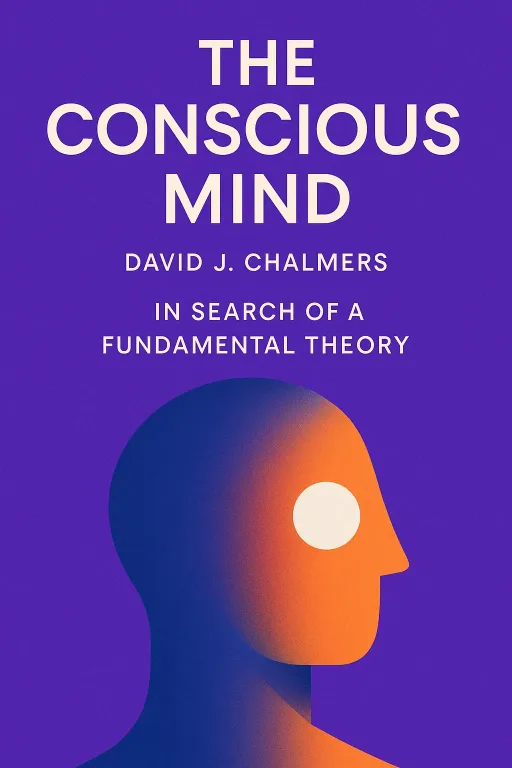
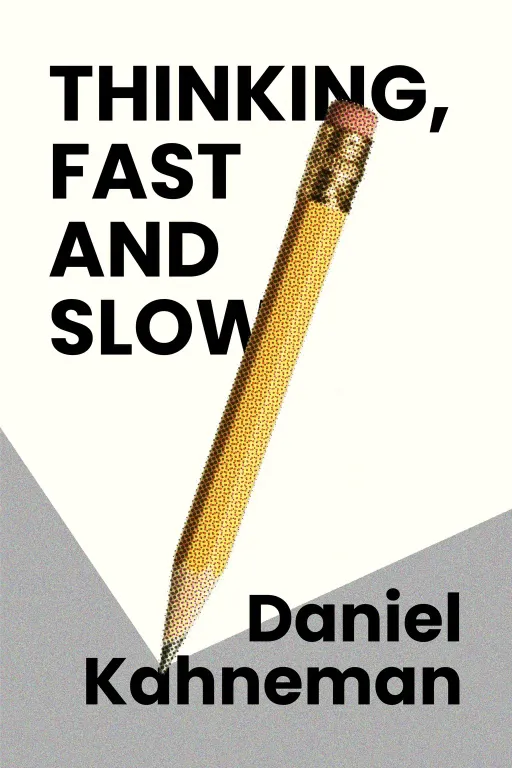
Nova: "Past money, future pain, stop." That's surprisingly poetic and deeply, deeply accurate. Because today, we're diving headfirst into something that silently sabotages even the most strategic builders among us: The Sunk Cost Trap. And to really understand the invisible strings that tie us to past decisions, we're going to lean heavily on the work of Daniel Kahneman, the Nobel laureate in Economics who was, in fact, a psychologist. His book, "Thinking, Fast and Slow," is a masterclass in how our minds often lead us astray.
Atlas: Right? I mean, it’s fascinating that a psychologist won the Nobel in Economics for showing how irrational we are with money. That sounds like a headline. And I imagine a lot of our listeners, who are committed to long-term growth and building sustainable solutions, probably feel this trap keenly. They’re thinking, “But isn’t it just about being committed? Or seeing things through?”
Nova: Exactly! And that's where the blind spot truly lies. It's not about commitment, it's about a cognitive bias.
Recognizing the Sunk Cost Trap: The Cognitive Blind Spot
SECTION
Nova: So, think of it this way. Kahneman brilliantly dissects our minds into two systems: System 1, which is fast, intuitive, and emotional; and System 2, which is slower, more deliberate, and logical. The sunk cost fallacy is largely a System 1 problem. It's that gut feeling that screams, "But we've put so much into this already!" even when System 2 is trying to whisper, "It's clearly not working."
Atlas: Oh, I know that feeling. It’s like when you’re halfway through a truly terrible movie, but you’ve already bought the ticket and the popcorn, so you just to finish it. Even though every minute is torture.
Nova: That’s a perfect example! Now, let’s make it a bit more high-stakes. Imagine a tech startup, let’s call them 'InnovateNow.' They spent two years and millions developing a groundbreaking, highly complex AI feature for their flagship product. They poured their heart, soul, and significant capital into it. But then, during beta testing, the market signals are clear: users find it confusing, it doesn't solve their core problem, and a simpler, competing solution is gaining traction.
Atlas: Oh, man. That sounds rough. All that investment, all that belief.
Nova: Precisely. The rational decision would be to pivot, to cut losses, to reallocate those resources to something more promising. But the CEO and the core team at InnovateNow keep pouring money into it. They hire more engineers, they redesign the UI, they launch another marketing campaign. They’re convinced that it will work, because they’ve invested so much. They're chasing the past, not the future.
Atlas: I imagine a lot of our listeners, who are committed to long-term growth and are constantly building, struggle to pull the plug on something they've invested so much in. Why is it so hard to just admit it’s not working and move on? Is it just pride?
Nova: It’s more than just pride, though that plays a part. It’s a cocktail of psychological factors. There's loss aversion – we feel the pain of losing something we've invested far more acutely than the pleasure of gaining something new. There's also the desire for consistency; we want to believe our past decisions were good ones. And, crucially, there's the fear of admitting failure, both to ourselves and to our teams. It takes immense mental fortitude to say, "We were wrong, and we're stopping."
Shifting Perspective: Embracing Agility and Future Growth
SECTION
Atlas: So, if we're all wired this way, with these cognitive biases, how do we actually that pattern? For our listeners who are trying to create sustainable solutions and build resilience, how do they become more agile and make those tough calls?
Nova: That’s where we turn to thinkers like Nassim Nicholas Taleb, author of "The Black Swan." Taleb challenges our assumptions about predictability and risk, reminding us that unforeseen events—black swans—can dramatically alter landscapes. His work underscores that overvaluing past efforts and underestimating the impact of the unknown makes it harder to abandon failing paths. The shift isn't just about recognizing the trap; it's about actively cultivating a mindset of agility and forward-looking decision-making.
Atlas: That sounds great in theory, but how does a big ship turn? Can you give an example of a company or project that actually let go of a massive investment and thrived? It seems counterintuitive for a visionary.
Nova: Absolutely. Let's look at a well-known example, though with a different product. Think of a company like Netflix. They started as a DVD-by-mail service, a highly successful one. They had massive infrastructure, distribution centers, and a huge customer base built around physical media. They were heavily invested, in every sense of the word. But they saw the writing on the wall: streaming was the future.
Atlas: They must have had years of investment in those DVDs, right? Physical assets, logistics, everything.
Nova: Years! And yet, they made the incredibly difficult decision to pivot, to shift their entire focus and massive resources from physical DVDs to digital streaming. It was a painful transition, marked by initial backlash and even a temporary stock drop when they tried to split the company. But they pushed through. They didn't let the "sunk cost" of their DVD business dictate their future. They reallocated, innovated, and embraced the new direction, becoming the streaming giant we know today.
Atlas: That’s a powerful example. For our listeners who are focused on building sustainable solutions and making a real impact, this idea of letting go is not about failure, but about intelligent resource allocation for future impact, right? It's about resilience, knowing when to pivot.
Nova: Precisely. It’s about reframing "letting go" not as admitting defeat, but as a strategic advantage. It's about understanding that every resource—time, money, emotional energy—that you continue to pour into a failing venture is a resource you invest in a truly impactful, future-oriented one. It frees up mental space, capital, and most importantly, the energy of your team to pursue what truly matters and offers growth.
Synthesis & Takeaways
SECTION
Nova: So, what we've discovered today is that the sunk cost trap isn't just a financial pitfall; it's a deep-seated cognitive bias that can hold us back from our true potential. Recognizing that intuitive System 1 pull, and then consciously engaging our logical System 2, is the first step towards true agility.
Atlas: And that leads us to the deep question from today's content for our listeners: Consider a project or idea you've invested heavily in. Are you continuing it because it's genuinely the best path forward, or because of the time and effort already spent? That's a question that demands real honesty.
Nova: It absolutely does. Because true visionary leadership, that commitment to long-term growth and impact, often means making those uncomfortable but necessary decisions to cut ties with the past for a brighter, more resilient future. It’s about building mental fortitude.
Atlas: And speaking of building and growing, here’s a growth recommendation for this week: Delegate one task. Trust your team. Empower them. It’s a small act of letting go that can have a huge ripple effect, freeing up your own valuable time and showing faith in those around you.
Nova: A perfect way to put these ideas into action. The journey of growth is all about continuous learning and the courage to evolve. Thank you for joining us on this exploration of letting go to unlock future growth.
Atlas: This is Aibrary. Congratulations on your growth!