Unlocking Your Inner Narrator: How to Craft Stories That Resonate Deeply
Golden Hook & Introduction
SECTION
Nova: Unlocking your inner narrator. Five words. Atlas, you first.
Atlas: Raw, real, resonant, personal, profound.
Nova: Ooh, I like that. For me? Rediscover, write, heal, connect, thrive.
Atlas: Wow. Yeah, there's a lot of richness in those five words. We’re talking today about something that sounds almost mystical, but is incredibly practical: "Unlocking Your Inner Narrator: How to Craft Stories That Resonate Deeply."
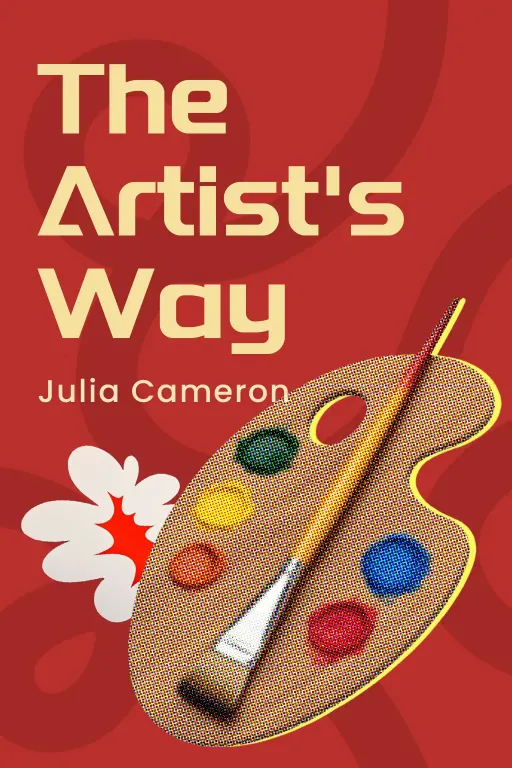
Nova: Absolutely. And when we talk about unlocking that inner narrator, we’re really drawing from the wisdom of two giants in the creative world: Julia Cameron, author of "The Artist's Way," and Natalie Goldberg, with her seminal work, "Writing Down the Bones." Both of these authors, in their own unique ways, have carved out paths for countless individuals to reconnect with their creative essence, moving beyond the surface to tap into something much deeper.
Atlas: It’s interesting, Nova, because both of these books, especially "The Artist's Way," have achieved almost cult status. They’re not just writing guides; they’ve become essential companions for anyone feeling that creative disconnect. I imagine a lot of our listeners, especially those who see the world in narratives, have felt that spark dim, that subtle disconnect from their deepest stories. It’s a common feeling, isn't it?
Nova: It absolutely is. And what’s crucial is understanding that this feeling, this subtle disconnect, it’s not a setback. It’s a signal. It’s your inner narrator, your authentic self, nudging you, urging you to reconnect with that wellspring of imagination. It’s an invitation to pause and listen to what's waiting to be told.
Reconnecting with Your Inner Narrator through Creative Practice
SECTION
Atlas: A signal, not a setback. That immediately reframes it from a failure to an opportunity. For someone driven by a quest for inspiration, that's a powerful distinction. So, how do we answer that signal? Where do Cameron and Goldberg guide us?
Nova: Let’s start with Julia Cameron and "The Artist's Way." She champions two incredibly simple yet profoundly effective tools: "Morning Pages" and "Artist Dates." Morning Pages are essentially three pages of longhand, stream-of-consciousness writing, done first thing in the morning. No editing, no judgment, just letting whatever’s in your head spill onto the page.
Atlas: Hold on, so it’s not journaling in the traditional sense, where you're reflecting on your day or setting intentions? It’s just… whatever? For someone who sees the world in narratives and seeks profound meaning, the idea of just "whatever" might feel a bit chaotic or unproductive. How does that translate into unlocking stories or finding meaning?
Nova: That’s a brilliant question, Atlas, and it gets to the heart of it. Think of Morning Pages as a mental detox. It’s like clearing out the lint trap of your mind. All the anxieties, the to-do lists, the petty grievances, the static – you get it out. By emptying that mental clutter, you create space. And in that space, your authentic voice, your true stories, can begin to emerge. It’s not about finding meaning in the pages themselves; it's about the clarity and connection to self that the affords. It's the foundational act of self-care for your creative spirit.
Atlas: That makes sense. It's like you can't hear the story if the noise floor is too high. And Artist Dates? What are those?
Nova: Artist Dates are equally vital. These are solo excursions, just you and your inner artist, once a week. It could be visiting a museum, going to a quirky antique shop, taking a walk in nature, watching a foreign film – anything that sparks your curiosity and wonder. It’s about refilling your creative well, feeding your imagination with new inputs and experiences, without any pressure to produce anything.
Atlas: So, Morning Pages clear the path, and Artist Dates fill the tank. I can see how that nurtures the inner storyteller. But for people who are already overwhelmed by daily pressures, fitting in three pages and a weekly solo outing might feel like just another task on an already impossible list. How do you convince someone that these aren’t just more items to check off, but genuine pathways to well-being and deeper meaning?
Nova: That's where the mindset shift comes in. Cameron frames them not as chores, but as acts of radical self-care. They’re non-negotiable appointments with your creative self. The consistency is key, not the perfection of the output. It's like tending a garden; you show up, you water it, you pull the weeds, and eventually, things start to bloom. The well-being aspect is paramount here. It’s about creating a ritual that honors your inner life, which in turn strengthens your capacity to tell authentic stories.
Atlas: I like that – "radical self-care." That resonates deeply with anyone prioritizing their well-being. And it sounds like a perfect bridge to Natalie Goldberg, who emphasizes the practice of writing freely, without judgment. Is that similar to Morning Pages, or is there a distinct difference?
Nova: There’s a beautiful synergy, but also a distinct flavor. While Morning Pages are about clearing the mental clutter, Goldberg, in "Writing Down the Bones," is more about diving directly into that raw, imaginative energy. She encourages us to trust our first thoughts, to write with speed and without looking back, to bypass the internal editor entirely. She famously says, "Don't think, just write." It's about getting out of your own way and letting the words flow directly from your gut onto the page.
Atlas: So, it's less about the "mental detox" and more about "unfiltered expression." But wait, for a natural storyteller who might be very particular about crafting narratives, trusting your thoughts without judgment could feel… terrifying. What if those first thoughts are messy, or cliché, or just not "good enough" for the profound stories they want to tell? How do you reconcile that with the desire for resonant narratives?
Nova: That’s the very struggle Goldberg is addressing, Atlas. The internal critic, that voice that tells us our stories aren't profound enough, or witty enough, or perfectly formed, that voice is the biggest block to resonance. Goldberg argues that true resonance comes from authenticity, from the raw, untamed energy of your imagination. You can’t edit a blank page. You have to get the words down first, however messy, however "imperfect." It’s about building a direct connection to your imaginative energy, bypassing the filters that often dilute our most powerful stories. Think of it like a sculptor chiseling away at a block of marble; you have to get the raw material out before you can shape it.
Atlas: That’s a great analogy. It’s about giving yourself permission to be imperfect in the initial stages, knowing that the "profound meaning" will emerge not from forced perfection, but from genuine expression. So, both authors, in their own way, are validating the creative struggle, but offering different lenses to approach it. Cameron with structure for clearing, Goldberg with freedom for flow.
Nova: Exactly. They both understand that the creative process isn't always a smooth, inspired journey. There’s struggle, there’s doubt. But they offer gentle, yet powerful practices to unearth the stories waiting within you. They validate the internal experience.
Healing Moment & Practical Application
SECTION
Atlas: And speaking of gentle, yet powerful practices, the book offers a specific "healing moment" for our listeners. It’s about dedicating 10 minutes tomorrow morning to free-write.
Nova: That’s right. Just 10 minutes. Free-write anything that comes to mind, without editing or judgment. Just let your thoughts flow onto the page. It’s a direct application of both Cameron's and Goldberg's philosophies, distilled into an accessible, low-barrier entry point.
Atlas: Ten minutes sounds much less daunting than three pages, especially when you’re just starting. What immediate impact can someone expect from this short practice? And how does it feed into finding those deeper stories or managing daily pressures, for someone who values well-being?
Nova: The immediate impact is often a sense of release. It's a small act of acknowledging your inner world. Over time, that consistent act builds a muscle of self-trust. You start to realize that your thoughts, however mundane or chaotic, are valid. And for the storyteller, this unedited flow is where the seeds of new narratives lie, where characters might speak for the first time, where a unique perspective on an old idea might surface. It’s also incredibly grounding, a mindful moment in the rush of the morning, which directly supports well-being. It’s not just about writing; it’s about listening to yourself.
Synthesis & Takeaways
SECTION
Atlas: So, what we're really talking about here is cultivating a relationship with your inner voice. It’s not about waiting for inspiration to strike, but actively creating the conditions for it to emerge, and doing so with self-compassion. For someone who seeks profound meaning and sees the world in narratives, these practices aren't just creative exercises; they're a way to understand themselves and their place in the world more deeply.
Nova: Absolutely. These aren't just techniques; they are invitations to a more authentic way of being. By consistently showing up for these simple rituals, you’re telling your inner narrator, “I’m here. I’m listening. Your stories matter.” And that act of trust and self-validation is incredibly powerful. It transforms the creative struggle from a solitary battle into a guided journey of self-discovery, where every unedited word, every curious outing, is a step closer to unlocking your most resonant and profound narratives. It's a testament to the idea that our creative well-being is foundational to our ability to connect, to heal, and to truly thrive.
Atlas: That’s actually really inspiring. It frames creativity not as a performance, but as a practice of presence and connection. It means that even a small, consistent effort can lead to profound self-discovery.
Nova: Exactly. It's about remembering that your inner voice is always there, waiting. Sometimes we just need to clear the static and create the space to hear it. This is Aibrary. Congratulations on your growth!