Unlocking Creative Flow: How to Build Your Artistic Practice Without the Burnout.
Golden Hook & Introduction
SECTION
Nova: Atlas, quick challenge for you. Give me a five-word review of the experience of trying to be creative, but feeling stuck. Go.
Atlas: Ugh. Waiting. For. That. Damn. Spark.
Nova: Oh, that’s so good! And so incredibly relatable, isn't it? That feeling of just… waiting for inspiration to strike like a lightning bolt. That's actually exactly where we're digging in today. We’re talking about unlocking creative flow, and crucially, how to build your artistic practice without the burnout that often comes with that waiting game.
Atlas: I love that title because burnout is practically synonymous with creative pursuits for so many people. So, what are we diving into today to untangle this?
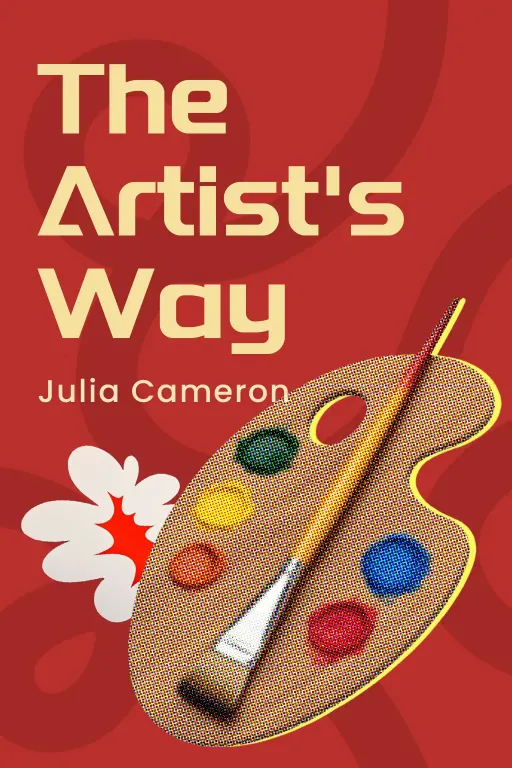
Nova: Well, we’re drawing inspiration from two absolute titans in the field: "The Artist's Way" by the brilliant Julia Cameron, and Elizabeth Gilbert’s "Big Magic." What’s fascinating about Cameron’s work, in particular, is that it wasn't just some theory she cooked up. She developed "The Artist's Way" after experiencing her own profound creative block and a personal breakdown, transforming her recovery into this globally recognized methodology. It's got such an authentic, lived-experience origin story.
Atlas: That’s a powerful foundation. But sometimes these books can feel a bit… ethereal. How do they help us move beyond generic "just be creative" advice to something tangible, especially for someone who enjoys deep thinking but might get paralyzed by the pressure to produce?
Nova: That's precisely the shift we're exploring, and it starts with what I call "The Blind Spot."
The Myth of the Creative 'Lightning Bolt' and the Power of Cultivation
SECTION
Nova: The blind spot is this pervasive, almost romanticized belief that creativity is some mystical force, a lightning bolt that only strikes the 'gifted' few. We see artists, writers, innovators, and we assume they're just born with it, or they're touched by some rare, inexplicable genius.
Atlas: I know that feeling. It’s like watching someone effortlessly juggle flaming chainsaws and thinking, "Well, I could never do that." But isn't there some truth to inspiration striking? I mean, we all have those moments where an idea just us, out of nowhere.
Nova: Absolutely, inspiration is real. But here's the crucial part: it's not something you passively wait for; it's something you through consistent engagement. Think of it less like waiting for a lottery win and more like building a muscle. You don't just wake up with a six-pack; you work for it, consistently. My take is that creativity is a muscle, not a mystery. It thrives on routine and respect, not just sudden bursts of brilliance.
Atlas: That sounds a bit counterintuitive for a lot of people. So, are you saying talent doesn't matter? That feels like it goes against everything we're taught about innate abilities.
Nova: Oh, talent absolutely matters, but it's not the ingredient, and it's certainly not a prerequisite for a creative practice. What Cameron and Gilbert both illuminate is that it's about cultivating what you have, rather than just being born with some mythical spark. Imagine a garden. You don't just sit there waiting for a beautiful flower to spontaneously appear. You prepare the soil, you plant the seeds, you water it daily, you weed, you nurture it. The magnificent bloom is the of that consistent, respectful care, not just a random act of nature.
Atlas: I can see that. For someone who's always trying to learn and grow, to actively expand their knowledge, the idea of just 'waiting' for a spark feels incredibly inefficient, almost passive. It puts the power outside of you.
Nova: Exactly! And that’s where Cameron's concept of creative recovery as a "spiritual path" comes in. It's not about religious dogma; it's about reconnecting with your inner wisdom, your inherent creative source, which often gets buried under layers of self-doubt, criticism, and the pressure to produce something 'great.' It's about gentle self-care for that creative spirit.
From Fear to Play: Practical Tools for Nurturing Your Creative Spirit
SECTION
Nova: So, if creativity is this muscle we need to train and a garden we need to tend, how do we actually do it? What are the practical tools? Julia Cameron offers some incredibly simple, yet profound, daily practices. The first, and perhaps most famous, are 'Morning Pages.'
Atlas: Morning Pages? That sounds… a bit disciplined for cultivating playful creativity. And three pages, stream-of-consciousness, handwritten, every single morning? That's a significant commitment for anyone with a busy life.
Nova: It is a commitment, but it’s about consistency, not perfection. You don't edit them; you don't even re-read them for weeks or months. Their purpose is to clear mental clutter, to dump all the anxieties, the to-do lists, the random thoughts swirling in your head onto the page. It's a brain drain, essentially. It's about getting out of your own way and accessing a deeper, more authentic part of your mind. It’s 'gentle self-care,' as she calls it. And the second tool she offers are 'Artist Dates.'
Atlas: Artist Dates, now those sound intriguing! It's like scheduling joy. A solo, exploratory, playful outing, just for yourself, to fill your creative well. That resonates with the idea of connecting with your inner child's curiosity. But how does that connect to Elizabeth Gilbert's 'Big Magic' and her fascinating idea of ideas being living entities?
Nova: Ah, this is where the two beautifully intertwine. Gilbert encourages us to approach creativity with curiosity, not fear. She suggests that ideas aren't just figments of our imagination; they're living entities, almost like spirits, floating around, seeking human partners to bring them into the world. If you're open, curious, and regularly filling your well with things that spark wonder—like on an Artist Date—you're signaling to these ideas that you're a willing collaborator.
Atlas: So, it's about approaching creativity with curiosity, not fear, almost like a dance with an idea rather than wrestling it into submission. That's a huge shift from the immense pressure many people feel, where every creative endeavor feels like a high-stakes performance.
Nova: Exactly! It completely shifts the burden of 'genius' from your shoulders to a more playful collaboration with the universe. If an idea comes to you, and you're too busy, too scared, or too blocked to act on it, Gilbert suggests that idea might just float away and find someone else. This perspective makes the fear of failure less paralyzing because you're simply a vessel, a partner in a larger creative process. You're respecting the process and the idea itself.
Atlas: I really like that. It removes a lot of the ego and self-judgment that can stifle creative output. It’s less about brilliant idea and more about brilliant idea that chose to bring it forth.
Synthesis & Takeaways
SECTION
Nova: That's it in a nutshell. What these insights ultimately teach us is that creativity isn't about grand, rare gestures or some innate, unchangeable genius. It's about consistent, gentle, and often playful engagement. It’s about building a respectful routine that honors your inner artist, day after day. It's about showing up.
Atlas: For our listeners who are always seeking to expand their knowledge, deepen their thinking, and cultivate new skills, this reframes creativity not as a 'gift' to be envious of, but as a discipline they can actively cultivate. That’s incredibly empowering. It puts the agency back in their hands.
Nova: It absolutely does. And that leads us to a deep question for all of us: What small, consistent act can you commit to this week to honor your creative self, regardless of the outcome? It's not about the masterpiece; it's about the practice.
Atlas: That's a powerful challenge. It moves us from 'waiting for inspiration' to 'actively inviting it.' I think I'll try five minutes of free writing every morning, just to see what surfaces. No pressure, just showing up.
Nova: Perfect. It's about showing up. This is Aibrary. Congratulations on your growth!