The Creative Flow State: How to Find Your Artistic Rhythm Without Burnout.
Golden Hook & Introduction
SECTION
Nova: POV: You scroll through social media, watch someone effortlessly paint a masterpiece, or write a brilliant song, and a little voice inside whispers, "I could never do that." We've been sold a profound lie about creativity, haven't we?
Atlas: Oh, I know that feeling. That little voice isn't just whispering, it's often shouting, "You're not good enough! Don't even try!" The pressure to create something 'masterful' before you even start can be absolutely paralyzing.
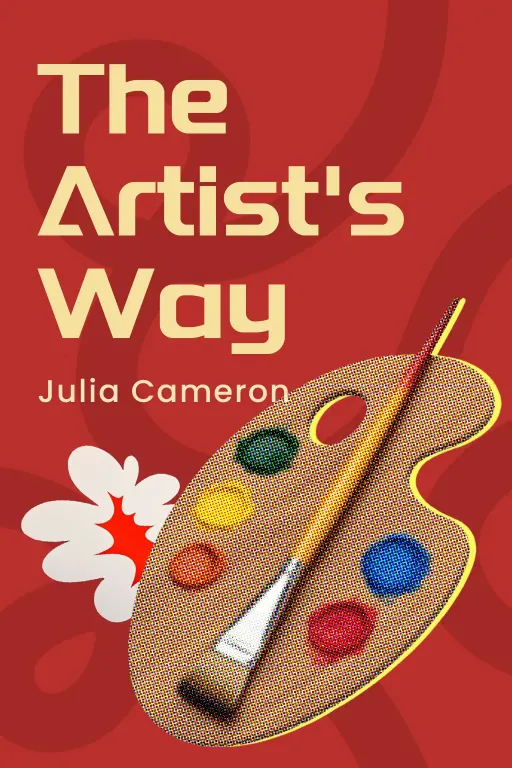
Nova: Exactly! And that paralysis is precisely what we're dissecting today, pulling wisdom from two absolute titans in the creative world. We're talking about Julia Cameron's seminal work, "The Artist's Way," and Elizabeth Gilbert's wonderfully liberating "Big Magic." Cameron, a prolific artist, filmmaker, and teacher herself, literally created a recovery program for blocked creatives that became a global phenomenon, helping countless individuals reconnect with their inner artist.
Atlas: Right. And Gilbert, who many know from her monumental success with "Eat Pray Love," brought us a perspective in "Big Magic" that ideas are almost like playful entities looking for a human dance partner, not something to be wrestled into submission or forced from a place of suffering. It’s such a different vibe.
Nova: It is. Both authors, in their unique ways, fundamentally shift creativity from this daunting, exclusive club to an accessible, joyful practice for everyone. Today, we'll dive deep into this from two perspectives. First, we'll explore why so many of us feel creatively stuck and how to reframe that struggle. Then, we'll discuss practical, low-stakes ways to invite creativity back into our daily lives, transforming it from a source of anxiety into one of genuine joy.
Demystifying the Creative Block & Rekindling Joy
SECTION
Atlas: That makes sense. We're often told creativity is about genius or talent, something you either have or you don't. But you're saying the real barriers are much deeper, almost emotional or spiritual?
Nova: Absolutely. Cameron, in particular, argues that creative blocks aren't about a lack of talent but about unhealed emotional and spiritual wounds. Think of it like this: many of us carry around an 'inner censor' or a 'perfectionist' born from past criticisms, failed attempts, or even well-meaning but stifling advice. This censor becomes an internal critic, constantly evaluating, judging, and ultimately, silencing our creative impulses before they even have a chance to breathe.
Atlas: Wow, that’s kind of heartbreaking. So it's not just that we can't come up with ideas, it's that we're actively sabotaging ourselves because of old hurts?
Nova: Precisely. And Gilbert echoes this with her focus on fear. For her, fear is a natural companion to creativity, but it shouldn't be the driver. She suggests that ideas are out there, floating around, looking for a human to manifest them. If we're too afraid, too burdened by the pressure for perfection, that idea will simply move on to someone else who's willing to be its collaborator, even if imperfectly.
Atlas: That’s a fascinating image – ideas as living entities. But wait, isn't fear just part of trying something new? How do you distinguish between healthy caution, which keeps us from, say, quitting our day job to become a performance artist overnight, and a genuine creative block that's rooted in these deeper wounds?
Nova: That’s a great question, Atlas. The distinction lies in the. Healthy caution allows for thoughtful planning and calculated risks. Creative block, driven by the inner critic or overwhelming fear, leads to. It's the difference between saying, "I'll plan my art exhibition carefully" and "I can't even pick up a brush because what if it's not good enough?" The latter is the wound speaking. Cameron calls this the 'shadow artist' – someone who dreams of being a painter, but instead curates art, or wants to write, but only reads. They're orbiting their desire, but not daring to engage directly.
Atlas: Oh, I know that feeling. I imagine a lot of our listeners do too. It's like we've been taught that creativity is this grand, public performance where failure is not an option. And if it's not perfect, it's not worth doing. That sounds about right. So how do we start to heal those wounds and release that pressure?
Nova: That's where the magic really begins. Both authors invite us to shift our mindset. Cameron's work is often described as a spiritual path because it asks us to trust our intuition and nurture our inner child, the playful, unburdened self that just wants to create for the sheer joy of it. Gilbert, on the other hand, encourages a playful, less burdened approach. She doesn't dismiss the fear, but suggests we give it a seat in the car, but not the steering wheel. It's about telling fear, "Okay, you can come along, but I'm still doing this."
Atlas: That’s such a hopeful way to look at it. It reframes creativity from a daunting, high-stakes task to something more akin to self-discovery, or even a form of play. It almost sounds like a healing journey, rather than a production schedule.
Practical Pathways to Creative Flow: Embracing Imperfection and Daily Practice
SECTION
Atlas: Okay, so we've acknowledged the inner critic and the fear, we've reframed creativity as something more accessible and joyful. But what do we about it? How do we actually start moving when we've been paralyzed for so long?
Nova: This is where we get to the practical, daily pathways. The cornerstone practice from "The Artist's Way," and one that profoundly shifts the creative landscape for many, is "Morning Pages." It’s deceptively simple, yet incredibly powerful.
Atlas: Morning Pages. I’ve heard of them. Three pages of freehand writing, first thing in the morning, no self-editing, just getting thoughts onto paper. That sounds like... another chore. For someone juggling a demanding job, a family, and just trying to get out the door on time, how is that not just adding more pressure to an already packed schedule?
Nova: That’s a totally valid concern, and it's a common initial reaction. But the beauty, and the liberation, is in the rule. It's not about writing well; it's about writing. It's a brain dump. Think of it as a mental drain cleaner. You're not aiming for literary genius; you're just clearing out the clutter, the worries, the to-do lists, the anxieties, the half-formed ideas that are swirling around in your head.
Atlas: So basically you’re saying it’s less about the writing itself and more about the of uncorking the mental bottle?
Nova: Exactly! It’s a tool for spiritual and mental hygiene. Cameron describes it as a way to "get to the other side" of your fear, your resentments, your worries. By consistently putting these thoughts down on paper, you create space for new, more creative, more intuitive thoughts to emerge. It’s radical self-listening. And it's only 10 minutes. Three pages, stream-of-consciousness. That's it. It’s a daily ritual of creative self-care.
Atlas: That makes me wonder, what if someone isn't a writer? Could this principle apply to other creative outlets? Like, instead of writing, could I do three pages of quick, unedited sketches? Or just noodle on a guitar for ten minutes with no goal?
Nova: Absolutely! The spirit of Morning Pages is about lowering the stakes to zero. It's about engaging in creative activity for its own sake, without the burden of outcome or perfection. Gilbert's "Big Magic" beautifully reinforces this. She encourages us to embrace curiosity over fear. If you love to sketch, then quick, unedited sketches are your Morning Pages. If you love music, then 10 minutes of uninhibited noodling is your practice. The point is the consistent, unjudged engagement with your creative impulse. It's about making peace with imperfection and finding joy in the process itself.
Atlas: That’s a perfect example. It sounds like the magic isn't in the product, but in the permission you give yourself to just it. To show up, consistently, without judgment. And that, I can see, would chip away at those emotional wounds and that paralyzing fear you mentioned earlier.
Synthesis & Takeaways
SECTION
Nova: It truly does. What emerges from embracing these practices is a profound shift. It’s moving from seeing creativity as a scarce resource reserved for a talented few, to understanding it as an abundant, inherent human capacity that, when nurtured, brings immense joy and clarity to our lives. It's about remembering that the deepest creative act isn't always about grand external achievements, but about the internal journey of self-discovery and honest expression.
Atlas: So, it’s about healing our relationship with our own creative spirit, shedding the baggage of perfectionism and fear, and then consistently showing up for that playful, curious part of ourselves. It truly is a form of self-care and self-discovery.
Nova: Exactly. It's a birthright, not a privilege. And it’s accessible to everyone. My challenge to our listeners today, and to you, Atlas, is to dedicate 10 minutes tomorrow to trying Morning Pages. Just three pages of freehand writing, no self-editing, just getting thoughts onto paper. It might just surprise you what clarity, peace, and creative spark emerges.
Atlas: I'm in. And for everyone listening, if you try Morning Pages or any other daily, unburdened creative practice, we'd love to hear about it. Share your insights on social media about how you're reclaiming your creative spirit.
Nova: This is Aibrary. Congratulations on your growth!