

Beyond the Campaign: How 'The Art of Gathering' Redefines Marketing
Golden Hook & Introduction
SECTION
Nova: Pragya, let's talk about a feeling every marketer knows. You've just wrapped a huge product launch. The budget was massive, the venue was stunning, the right people showed up... but a week later, it feels like it never happened. There's no buzz, no momentum. It was just... an event. What if the problem wasn't the party, but the?
Pragya Gupta: That is a painfully familiar feeling, Nova. It’s the morning-after of a campaign where you look at the numbers—the attendance, the social media mentions—and they look good on paper. But you have this sinking feeling that you didn't actually anything. You didn't create a memory or a real connection. We get so focused on the vanity metrics that we forget to ask if we achieved any meaningful engagement.
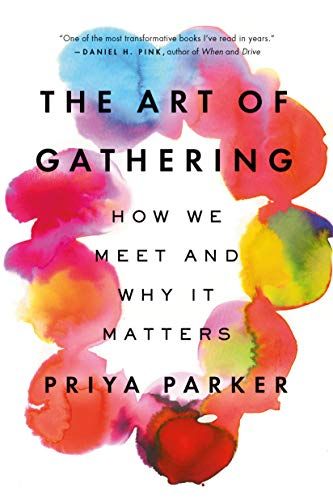
Nova: Exactly! And that's the core question Priya Parker's incredible book, 'The Art of Gathering,' forces us to ask. It's a game-changer for anyone in the business of connection, which is, of course, the heart of marketing. Today, we're going to explore her insights from two key angles.
Pragya Gupta: I'm ready. This feels like therapy for marketers.
Nova: It really is! First, we'll explore why defining a gathering's true, specific purpose is the most critical, and often overlooked, step. Then, we'll get into a more provocative idea: how using rules and even exclusion can create the most powerful and memorable brand moments.
Pragya Gupta: Okay, the second one already sounds controversial and exciting. I'm in.
Deep Dive into Core Topic 1: Purpose Over Form
SECTION
Nova: Let's start with that first idea. Parker calls the trap we fall into the 'tyranny of the what.' We get so obsessed with the logistics—the what, the where, the who, the food—that we completely forget to define the 'why.'
Pragya Gupta: The checklist. Did we book the caterer? Is the A/V set up? Is the guest list confirmed? The 'why' isn't even on the checklist. It's assumed. The 'why' is...'to have the event.'
Nova: Precisely. And that's a recipe for a forgettable gathering. She tells this brilliant story about a manager at the famous design firm IDEO. His name was Matt, and he was dreading this recurring meeting on his calendar. It was just called "The Project-Check-in Meeting," and it was a total waste of time. People would ramble, there was no focus, and nothing ever got accomplished.
Pragya Gupta: I think everyone listening just felt a shiver of recognition. We've all been in that meeting. We've probably all that meeting.
Nova: We have! So, Parker worked with him, and she asked him to ignore the format and instead ask a deeper question: What is the that this gathering could and should be serving? After some digging, they realized the team didn't need another update. They were drowning in updates. The real, unmet need was for. They were stuck on a bunch of small things that were holding up the project.
Pragya Gupta: Ah, so the diagnosis was wrong. The problem wasn't a lack of information; it was a lack of resolution.
Nova: Exactly. So they did something radical. They canceled the old meeting. In its place, they created a new one called "The Decision-Making Meeting." The invitation was only sent to the essential people needed to make the decisions. And the agenda was simple: at the start of the meeting, they would state the one or two specific decisions that needed to be made by the end of that hour.
Pragya Gupta: Wow. Just by changing the name and stating the purpose, you change the entire psychology of the room. You're no longer a passive audience there to receive information; you're an active participant with a clear mission.
Nova: It transformed everything! The meetings became shorter, more focused, and incredibly productive. They served their true purpose. And that's the lesson for us. We plan a "Community Meetup" or a "Product Launch." But Parker would argue those are just categories, not purposes.
Pragya Gupta: That's so powerful, and it's a perfect parallel for marketing. Let's take that 'Community Meetup' example. What is its purpose? Is it to gather unfiltered user feedback on a new feature? That's one gathering. Is it to make our top 100 superfans feel seen and rewarded? That's a completely different gathering. Or is the purpose to generate a ton of authentic, user-generated content for our next social campaign? That's a third gathering.
Nova: And each one requires a different guest list, a different venue, a different tone, different activities...
Pragya Gupta: Completely. For the feedback session, you need a small, intimate setting with facilitators. For the superfan reward, you might want an exclusive, high-end experience that feels like a gift. For the content generation, you need Instagrammable moments and clear hashtags. If you just plan a generic 'meetup,' you'll fail at all three.
Nova: And Parker says a good purpose should be 'disputable.' It should help you make choices. 'Celebrating our brand' is nice, but it's not a purpose. It doesn't help you decide who to invite or what to do.
Pragya Gupta: Right. But, 'To re-energize our core user base by giving them a first look at our new product line and making them feel like true insiders'— a purpose. From an analytical standpoint, that's what lets you measure success. You can't measure the ROI of 'celebrating the brand.' But you can absolutely measure if your core users' engagement levels increased in the month after the event. It changes the gathering from an expense into a strategic investment.
Deep Dive into Core Topic 2: Generous Authority & Pop-Up Rules
SECTION
Nova: Okay, so once you have that sharp, disputable purpose, it gives you the permission to do something that feels a little scary at first, but is incredibly powerful. And that's our second topic: to be a 'generous host' by setting rules and being thoughtfully exclusive. That sounds counterintuitive, doesn't it? A good host is supposed to be chill and let everyone do what they want.
Pragya Gupta: It sounds like the opposite of good hospitality! My instinct as a marketer is to be as inclusive as possible. Cast a wide net, get more people in the door. The idea of 'exclusion' feels wrong.
Nova: I thought so too, until I read her explanation. She argues that true generosity as a host isn't about being permissive; it's about protecting the gathering and its purpose. You are protecting your guests, from boredom, from distraction. And you do this by exercising 'generous authority.'
Pragya Gupta: Okay, 'generous authority.' Unpack that for me.
Nova: It means you have the confidence to set the terms of engagement for the world you are creating. And a key tool for this is what she calls 'pop-up rules.' These are temporary, specific rules that apply only for the duration of the gathering, designed to help it achieve its purpose.
Pragya Gupta: A temporary social contract.
Nova: Exactly! The classic example she gives is a dinner party. Imagine the host, at the very beginning of the night, brings out a beautiful basket and says, "Welcome, everyone. To make sure we can truly connect tonight, I'm going to ask you all to do something a little strange. Please put your cell phones in this basket for the evening. You can get them back when you leave."
Pragya Gupta: Ooh, I can feel the collective gasp in the room. Part of me would be horrified, and part of me would be so relieved.
Nova: And that's what happened! She says the result wasn't resentment. It was a wave of relief. People were given permission to disconnect from the outside world and connect with the people right in front of them. The conversations were deeper, more meaningful. The host's rule, her act of generous authority, protected the gathering's purpose, which was genuine connection.
Pragya Gupta: I love that. And my marketing brain is just firing on all cylinders. We are so afraid of telling people what to do at our events. But think about the most exclusive, sought-after brand experiences. They almost always have rules! 'No photos or videos allowed' at a secret concert. 'Come prepared to share one professional failure' at an intimate entrepreneurs' dinner. 'Don't exchange business cards, just exchange ideas' at a creative salon.
Nova: Yes! The rules aren't there to be mean; they signal what the gathering is. They create a unique, temporary world and bond the people inside it.
Pragya Gupta: It's the difference between an audience and a community. An audience is just a collection of passive individuals. A community is a group of people who share a set of norms and a purpose. When a marketer sets a 'pop-up rule' at an event, they are actively building a community, not just renting an audience for a night. That's a much deeper, more valuable level of brand engagement.
Nova: It's so true. If the purpose of your event is deep connection, then a cell phone is the enemy. The host's job is to vanquish the enemy, but to do it generously, for the good of everyone in the room.
Pragya Gupta: And it applies to exclusion, too. If your purpose is to make your top 100 customers feel like insiders, then inviting 500 people ruins it. Being exclusive isn't snobby; it's essential to protecting the purpose. You're serving the people who are there by not inviting the people who meant to be there.
Synthesis & Takeaways
SECTION
Nova: It all comes back to this beautiful, logical loop, doesn't it? A clear, specific purpose gives you the authority and the justification to create rules and be thoughtfully exclusive. And in turn, those rules and that exclusivity protect the purpose, which is what makes the gathering powerful and transformative in the first place.
Pragya Gupta: Exactly. It's about shifting our mindset in marketing from being logistics-first to being purpose-first. We're not just event planners or campaign managers; we are architects of human connection. And 'The Art of Gathering' gives us the blueprint and the tools to do that with intention.
Nova: So for everyone listening, especially those in roles like Pragya's, who are constantly bringing people together, here's the challenge from the book.
Pragya Gupta: I'd love to give them this one piece of homework, because it's so simple but so profound. Before you plan your next meeting, your next campaign launch, your next team offsite—stop. Don't open a spreadsheet. Don't book a venue.
Nova: What do they do instead?
Pragya Gupta: Open a blank document, and write one single sentence that starts with: 'The purpose of this gathering is...'. Make it specific. Make it disputable. Make it serve a real need. And then, and only then, start planning. I promise you, it will change every single decision you make after that, and you'll end up with something far more meaningful than just another event.