

The Unseen Architects: Cultivating Talent in a Changing World.
Golden Hook & Introduction
SECTION
Nova: Atlas, I'll give you a challenge. Describe the traditional model of employee loyalty in five words.
Atlas: Oh man, that's a good one. Uh... "Golden handcuffs, slow, soul-crushing." Your turn, describe the future of talent.
Nova: Ooh, I like that. For me, it's "Mutual growth, dynamic, impactful, evolving."
Atlas: Wow, I like that. We're already on the same page. And honestly, those five words perfectly encapsulate what we're diving into today with "The Unseen Architects: Cultivating Talent in a Changing World."
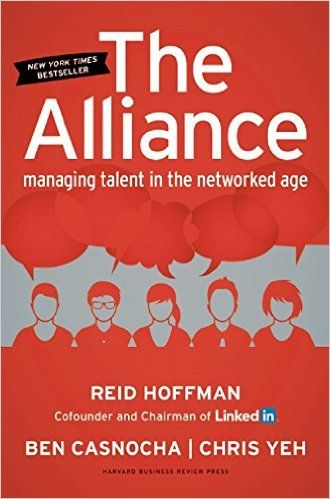
Nova: Absolutely. We're peeling back the layers on two incredibly influential frameworks that are reshaping how we think about people and potential. First up, we're talking about "The Alliance" by Reid Hoffman, Ben Casnocha, and Chris Yeh. For those unfamiliar, Reid Hoffman is one of the co-founders of LinkedIn, so he's had a front-row seat to the evolution of professional networks.
Atlas: That context alone gives it so much weight. He's not just theorizing; he's seen the shift firsthand.
Nova: Exactly. And then we'll explore "Radical Candor" by Kim Scott, who honed her insights as a manager at powerhouses like Google and Apple. Her work fundamentally changes how we approach feedback. These aren't just books; they're blueprints for navigating the modern talent landscape.
The 'Tour of Duty' Mindset: Redefining Employee-Employer Relationships
SECTION
Nova: So, let's start with "The Alliance" and this groundbreaking idea of a 'tour of duty.' For decades, the unspoken contract was lifetime employment, right? You join a company, you stay forever, you're loyal. But the world has changed. Companies can't guarantee that anymore, and frankly, employees don't always want it.
Atlas: That makes sense. The idea of a single career path, or even a single company for life, feels almost quaint now. But what exactly is a 'tour of duty'? Isn't it just a fancy way of saying a short-term contract, or project work? How does this build real loyalty, or trust, especially for leaders who are trying to build cultures and scale with intention?
Nova: That’s a great question, and it’s a crucial distinction. It’s not just a contract; it's a structured, finite period, like maybe two to four years, where both the employer and the employee invest in each other's growth with explicit, shared objectives. Think of it less like a transaction and more like a strategic alliance.
Atlas: Okay, so it’s about intentionality, not just duration. Can you give an example of how this plays out in the real world? For leaders who are building resilient teams, this might feel like a leap of faith.
Nova: Absolutely. Imagine a fast-growing tech company, a startup, that needs to launch a new product line in two years. They hire a brilliant product manager. Instead of a vague expectation of "doing a good job," they sit down and design a 'tour of duty.' The company says, "Your mission, should you choose to accept it, is to lead this new product from concept to market in two years. In return, you'll gain invaluable experience, build a team, and have a major career achievement. We'll invest in your leadership training, and connect you with top industry mentors."
Atlas: So the employee knows exactly what they're signing up for, what they'll gain, and what success looks like. And the company gets a critical project executed with a highly motivated individual.
Nova: Exactly. The cause is the dynamic need for specific talent and skills. The process is this explicit, mutually beneficial agreement. And the outcome is not just the product launch, but a stronger, more skilled employee who becomes an advocate for the company, and a company that cultivates a reputation as a place where people genuinely grow. It shifts the focus from loyalty to mutual value creation.
Atlas: That's a huge reframing. It almost democratizes the relationship, making it more of a partnership. But what happens at the end of the tour? Is it just goodbye and good luck?
Nova: Not at all. That’s where the "alliance" part truly comes in. At the end of the tour, there are three options. One, the company might offer a new, more challenging 'tour of duty.' Two, the employee might move on to a new opportunity, but they leave as a valuable alum, a potential partner, or even a future customer. And three, they might move to another company, but the relationship, the network, and the mutual respect remain.
Atlas: That’s actually really inspiring. It means you’re investing in people, not just positions. And it addresses the reality that people move on, so why not make that a positive, growth-oriented experience for everyone? It feels much more aligned with sustainable growth and impact.
Radical Candor: The Art of Caring Personally While Challenging Directly
SECTION
Atlas: So if we're building these dynamic, growth-oriented relationships, Nova, then feedback becomes even more critical. And that leads us perfectly to our second big idea for cultivating talent: "Radical Candor."
Nova: Perfect segue, Atlas. Kim Scott's "Radical Candor" is all about creating a culture where people love their work and their colleagues, but also know exactly where they stand and how to improve. It's built on two axes: "caring personally" and "challenging directly."
Atlas: That sounds great in theory, but isn't it just an excuse for some people to be brutally honest without the "caring personally" part? For someone who values human connection, how do you ensure that balance, and not just create a culture of fear or resentment, especially when you're trying to build trust?
Nova: Huh, that’s a common misconception, and it's a vital one to address. Radical candor is definitely about being a jerk. Think of it like this: if you care about someone, you owe it to them to tell them the truth, even if it's uncomfortable. Imagine a friend with spinach in their teeth before a big presentation. If you care about them, you tell them, right? That’s caring personally. And you tell them directly, in a way that helps them fix it immediately.
Atlas: Right, like you wouldn't let them walk onto stage without saying anything, even if it feels awkward for a second.
Nova: Exactly. Kim Scott tells a story from her time at Google. She had a brilliant employee, let's call him 'Bob,' who was incredibly smart but also had an abrasive style that was alienating his team. Scott initially hesitated to give him direct feedback because she liked him personally and didn't want to hurt his feelings. She was "caring personally" but "challenging directly."
Atlas: So she was in that "ruinous empathy" quadrant, as Scott calls it. Being nice but not helpful.
Nova: Precisely. The cause was her avoidance of conflict. The process was her delaying crucial feedback. The outcome? Bob’s team was becoming dysfunctional, and his impact was diminishing, even though he was talented. Finally, her boss challenged to be radically candid. Scott then sat down with Bob, explicitly told him, "I know you're brilliant, and I genuinely care about your success here, but when you do X, Y, and Z, it's having this negative impact on your team and their ability to work with you."
Atlas: And what happened?
Nova: Bob was initially surprised, but because the feedback was delivered with genuine care and specific examples, he heard it. He started working on his communication style, and within months, his team's morale and productivity soared. He grew immensely. The cause was the team friction, the process was the radically candid feedback, and the outcome was not only Bob's growth but a more effective and harmonious team.
Atlas: That’s a perfect example. It really highlights how challenging directly, when rooted in personal care, is the ultimate act of leadership and talent cultivation. It's not about being mean; it's about helping someone reach their full potential. It aligns so well with building cultures where people can thrive.
Synthesis & Takeaways
SECTION
Nova: So, when we look at 'tour of duty' and 'radical candor' together, they really illuminate how we can cultivate potential in this changing world. It's not about forcing loyalty or avoiding difficult conversations.
Atlas: I guess that makes sense. It's about designing environments where growth is the explicit currency, where relationships are built on clear expectations and honest feedback. For someone who thinks deeply about building cultures and trust, these frameworks offer a strategic approach to human connection.
Nova: Absolutely. The 'tour of duty' provides the structural clarity for mutual investment, giving people clear pathways for growth and impact. And 'radical candor' provides the essential communication framework to ensure that growth is continuous and effective, even when it's uncomfortable. It's about creating a culture where people feel safe enough to be challenged and to challenge others, all in service of collective and individual evolution.
Atlas: It really shifts the mindset from managing people to cultivating potential. It’s about building resilient, high-performing structures by genuinely investing in the development of every individual, knowing that their growth fuels the organization's sustainable growth.
Nova: Exactly. It's a profound shift from a scarcity mindset to an abundance mindset about talent. You're not just hiring for a role; you're cultivating potential, building a network of committed, growing individuals.
Atlas: So, how are you intentionally cultivating potential within your teams, not just filling roles, and what specific 'tour of duty' could you design for a key team member this week?
Nova: This is Aibrary. Congratulations on your growth!