

Stop Managing, Start Leading: The Guide to Unlocking True Strategic Impact.
Golden Hook & Introduction
SECTION
Nova: Atlas, quick game. I'm going to say a word, and you fire back the first three things that come to mind. Ready?
Atlas: Oh, I like that! My brain's warmed up. Hit me.
Nova: Management.
Atlas: Oh man, "endless emails," "firefighting," and honestly, "reacting."
Nova: Exactly! And that, my friend, is precisely why today we're diving into a book that promises to flip that script: "Stop Managing, Start Leading: The Guide to Unlocking True Strategic Impact."
Atlas: That sounds like a much-needed breath of fresh air for anyone drowning in those endless emails! What's the secret sauce here?
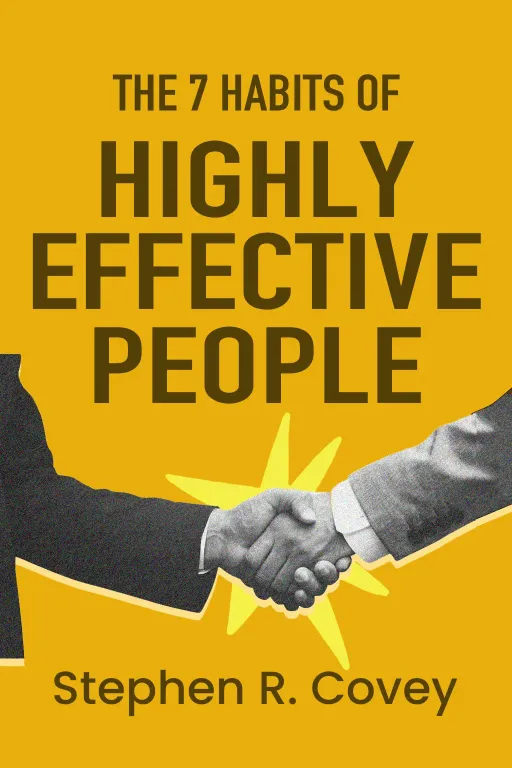
Nova: Well, it’s a modern take, but what's fascinating is how it synthesizes wisdom from critically acclaimed, foundational works. Think Stephen Covey’s “The 7 Habits of Highly Effective People,” which became a phenomenon for its principle-centered approach to life and leadership, not just quick fixes. And Jim Collins's “Good to Great,” celebrated for its rigorous, data-driven research into what truly makes companies leap from good to sustained greatness. The book we’re discussing today builds on these titans to say: the biggest impact comes from proactively shaping the future, not just reacting to it.
Atlas: Right, like being a chess grandmaster instead of just responding to every pawn move. I can see how that immediately shifts the focus from the mundane to the monumental.
The Proactive Posture: Shaping the Future, Not Reacting to It
SECTION
Nova: Absolutely! The core idea, what the book calls "The Cold Fact," is that true strategic leadership means influencing outcomes before they even become problems. It's about ensuring your efforts create lasting change, not just temporary fixes.
Atlas: That sounds great on paper, but hold on. In the trenches, it feels like so many of us are constantly just trying to keep our heads above water. How do you even begin to shift from firefighting to foresight when the fires are always burning? Can you give an example of what that actually looks like?
Nova: Let me paint a picture. Imagine two lead engineers at a fast-paced tech company: Sarah and Mark. Sarah is a hero. Every day, she’s celebrated for her incredible ability to fix bugs. A critical system goes down? Sarah’s on it, pulling all-nighters, patching things up, getting the system back online. Everyone applauds her heroics. Her days are a blur of urgent, reactive problem-solving.
Atlas: Oh, I know that feeling. The adrenaline rush of being the one who saves the day. It’s almost addictive.
Nova: Exactly. Now, Mark. Mark also deals with issues, but his approach is fundamentally different. While Sarah is fixing bugs, Mark is deeply analyzing the of those bugs. He's not just patching; he's redesigning architectural components, implementing automated testing frameworks, and training his team on preventative coding practices. His work is quieter, less dramatic. There are fewer "heroic saves" because the problems simply don't arise as often.
Atlas: Wow, that’s such a clear distinction. So Sarah is lauded for fixing the symptoms, but Mark is quietly eliminating the disease. The cause of their different impact isn't their intelligence or effort, but their approach: reactive versus proactive. The process for Sarah is crisis management, while Mark's is strategic system design. And the outcome for Mark is long-term stability and resilience, while Sarah provides temporary relief.
Nova: Precisely! Sarah’s impact, while immediate and visible, is often temporary. Mark’s impact, though less immediately dramatic, creates lasting stability and resilience for the entire company. He's influencing outcomes before they become problems. He's shaping the future of the system, not just reacting to its failures.
Atlas: That makes me wonder how many leaders, across all industries, are stuck in that "heroic firefighter" loop without even realizing it. It's not just about solving problems faster, it's about making sure those problems don't even arise in the first place. You know, that subtly links to something I've heard Nova say before about 'beginning with the end in mind.'
Visionary Leadership: Blending Foresight with Foundational Principles
SECTION
Nova: You've hit on it perfectly, Atlas. And that's where the wisdom from books like Stephen Covey's "The 7 Habits" and Jim Collins' "Good to Great" becomes absolutely indispensable. Covey's "Begin with the End in Mind" isn't just a catchy phrase; it's a profound strategic imperative. It forces you to define your desired outcome clearly taking action. It's the opposite of Sarah’s reactive approach.
Atlas: So it’s about having that clear vision for the system Mark was building, rather than just hoping the patches hold?
Nova: Exactly. And then you combine that with Jim Collins' concept of Level 5 Leaders from "Good to Great." These are leaders who possess an incredibly rare and powerful combination: fierce resolve and personal humility. They are utterly determined to achieve their long-term vision, no matter the obstacles, but they also have the humility to admit mistakes, seek input, and give credit where it's due.
Atlas: But what does "fierce resolve with personal humility" actually look like in practice? It sounds almost contradictory. I imagine a lot of our listeners are thinking, "I need to be tough to lead," but humility? How does that drive strategic impact, especially when you're trying to push a bold new vision?
Nova: That's a brilliant question, and it's where the magic happens. Think of a CEO, let's call her Elena, leading a manufacturing company. She has a fierce resolve to transition the company to sustainable practices within five years, even though it means significant short-term investment and disrupting established processes. She faces skepticism from her board and resistance from some long-time employees.
Atlas: That’s a tough spot. Most leaders would buckle under that pressure.
Nova: But Elena combines that resolve with humility. She openly admits that she doesn’t have all the answers. She actively solicits feedback from her engineers, from environmental experts, and even from frontline workers on how to make the transition work. She publicly acknowledges past organizational shortcomings in sustainability. Her humility builds trust and encourages innovation from her team, making them partners in her vision. Her fierce resolve ensures they stay the course, even when it’s difficult.
Atlas: That’s powerful. She's not just dictating; she's inspiring. The cause of her success isn't just her vision, but this blend of traits. The process involves transparency and collaboration, not just top-down directives. And the outcome isn't just a new sustainability report, but a fundamental, sustained shift in company culture and market position.
Nova: Precisely. This type of leadership isn't just about managing the current quarter; it's about leading towards a multi-year vision, much like what Collins identified in companies that leaped from good to great. Nova’s Take, as the book puts it, is that these insights fundamentally shift you from a task-oriented manager to a visionary leader, maximizing your strategic influence.
Atlas: That's a huge shift from the "endless emails" and "firefighting" I mentioned earlier. So, how does someone actually take that tiny step the book suggests – identifying one recurring challenge and defining its ideal future state in one sentence – and make it real? It sounds so simple, but I bet it's profoundly difficult.
Synthesis & Takeaways
SECTION
Nova: It sounds simple, but it’s profoundly powerful because it forces that proactive mindset on a micro-level. It pulls you out of the reactive cycle, even for just a moment. Strategic impact isn't about grand gestures; it's a fundamental shift in mindset from reacting to creating. It’s about leveraging the wisdom of foundational texts to empower leaders to define their desired future states with clarity and drive towards them with principled action.
Atlas: It sounds like the real challenge isn't just knowing these principles, but consistently applying them, especially when the daily grind pulls you back. It’s about building a muscle for strategic foresight. For anyone out there who feels stuck in that reactive cycle, that one-sentence future state exercise is a brilliant starting point. It’s about taking control of the narrative of your work, rather than letting the work control you.
Nova: Exactly. It's not about becoming a superhero overnight, but about consciously choosing to lead, rather than just manage. It’s about designing your legacy, one proactive step at a time.
Atlas: That actually really inspiring. It frames leadership not as a burden, but as a profound opportunity for impact.
Nova: This is Aibrary. Congratulations on your growth!









