

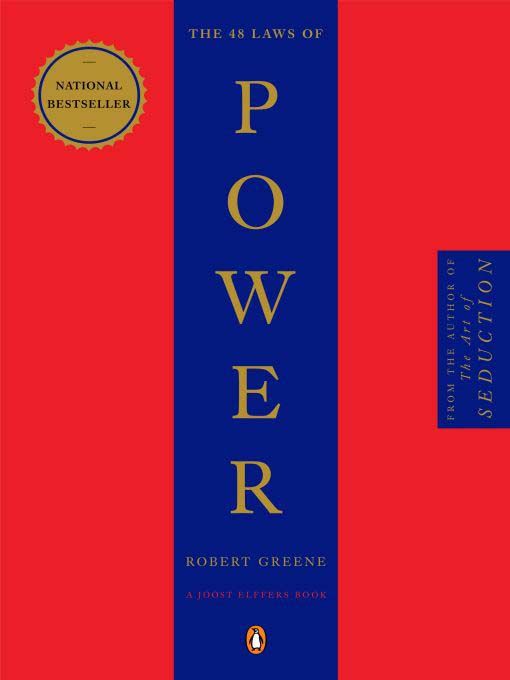
The Architecture of Attention: Navigating the Spotlight with Robert Greene
Golden Hook & Introduction
SECTION
Socrates: Have you ever sat across from a friend, listening to them talk endlessly about themselves, realizing that in their world, you aren't a co-star—you're just an audience member? It’s exhausting, isn't it? Today, we’re unpacking this exact social tightrope. We're looking at Robert Greene’s classic,, to understand how to live with friends who only want to be seen. Today, we'll tackle this from two angles: first, the hidden danger of outshining those who crave the spotlight, drawing from the spectacular fall of a seventeenth-century French minister. Second, we'll explore the art of strategic humility, learning how a Renaissance master of power ruled an empire from the shadows by letting others take the stage. I'm Socrates, and joining me today is mpule, a graduate student with a keen eye for human behavior and social dynamics. Welcome, mpule.
mpule: Thanks, Socrates. It’s great to be here. This topic is incredibly relevant, especially in academic and professional circles where everyone is trying to establish their identity and value. We often think of power as something confined to boardrooms or political arenas, but the truth is, power dynamics are woven into the very fabric of our daily friendships. When you have a friend who constantly needs to be the center of attention, it’s not just annoying—it’s a delicate psychological landscape that you have to navigate carefully.
Socrates: It really is. Tell me, when you observe someone who constantly demands to be seen, what do you think is actually happening beneath the surface? Is it a display of strength, or is it something else?
mpule: I think it’s almost always a mask for deep-seated insecurity. People who are genuinely secure in their position or self-worth don't need to constantly demand validation from the room. But when someone is fragile, they view the attention of others as a finite resource. If you get attention, they feel like they are losing it. It becomes a zero-sum game for them.
Socrates: A zero-sum game. That is a powerful way to frame it. If attention is scarce, then your light becomes a threat to theirs. Which brings us right to Robert Greene's very first law: Never Outshine the Master.
Deep Dive into Core Topic 1
SECTION
Socrates: Let's travel back to August of 1661. Nicolas Fouquet, the Superintendent of Finances for King Louis XIV of France, wanted to secure his position. He had just completed Vaux-le-Vicomte, a magnificent chateau that was a masterpiece of architecture and design. To flatter the young King, Fouquet threw the most opulent party the world had ever seen. We are talking about five-course meals served on solid gold plates, brand new plays written by Molière performed in the gardens, and a fireworks display that lit up the night sky. Fouquet thought he was showing his loyalty and his taste. But mpule, how do you think King Louis XIV actually received this grand gesture?
mpule: Oh, it backfired spectacularly. Instead of feeling honored, Louis XIV felt completely humiliated. Here was his subordinate, living in a palace more grand than the royal court, throwing a party that made the King look like a minor guest. The King felt outshone. He realized that Fouquet had more influence, more taste, and more wealth on display than the crown itself.
Socrates: Exactly. And what was the consequence of that bruised royal ego?
mpule: Just three weeks later, Fouquet was arrested by the King's musketeers on charges of embezzling funds—charges that were largely exaggerated. He spent the remaining twenty years of his life in a lonely prison fortress. He thought he was paying tribute, but he was actually showing the King that he was dispensable, and worse, superior.
Socrates: It’s a chilling story. But let's bring this down to earth, to the level of everyday friendships. We don't have kings and musketeers, but we do have friends who act like the sovereign of their social circle. How does Law 1 play out when you have a friend who needs to be the one who is always seen?
mpule: It plays out in the subtle, passive-aggressive shifts in energy. Let's say you get a major promotion, or you ace a difficult exam, or you just have some really exciting personal news. If you share that news with a friend who needs to be the master of the spotlight, their immediate reaction isn't joy. It’s a sudden coldness, or a quick pivot to change the subject back to themselves. Sometimes they might even minimize your achievement with a backhanded compliment. They feel like Fouquet’s party is happening, and they are being left in the dark.
Socrates: So, when we encounter this, what is our natural instinct? Is it to fight back, to shine brighter to prove our worth? And what happens if we do that?
mpule: Our instinct is absolutely to defend ourselves, to say, "Hey, look at what I did! I deserve recognition too!" But if you do that with an attention-seeking friend, you trigger their defense mechanisms. They will view your success as a direct attack. They might start gossiping, undermining you, or distancing themselves from you. In trying to prove your worth, you actually damage the relationship and create an enemy. Greene’s point in Law 1 isn't about being weak; it’s about understanding the psychology of the person you are dealing with. If their ego is fragile, making them feel inferior will only bring trouble your way.
Socrates: Hmm. So, if shining brighter only increases their resentment, how do we handle this without completely erasing ourselves? Is there a way to let them have their spotlight while still maintaining our own dignity?
mpule: I think it requires a shift in how we view the spotlight itself. We have to ask ourselves: do we actually need their validation, or can we find that validation elsewhere? If we understand that their need to be seen is a vulnerability, we can choose when to step back. We can let them have the stage on minor things. It’s about strategic concession. You let them win the small, superficial battles of attention so that you can maintain peace and protect your own energy for the things that truly matter.
Socrates: Strategic concession. That sounds like a very conscious, deliberate choice. But does it ever feel like you are enabling their bad behavior? How do you draw the line between being a supportive friend and being an enabler of a toxic ego?
mpule: That is the crucial question, Socrates. There is a massive difference between playing the courtier strategically and losing your self-respect. If a friend’s need to be seen requires you to actively lie, put yourself down, or tolerate abuse, then the boundary has been crossed. The goal isn't to become a doormat. The goal is to avoid unnecessary conflict. You don't have to pretend to be incompetent; you just don't have to rub your competence in their face. You let your work and your character speak for themselves in environments where they can be appreciated, without demanding that this specific, fragile friend acknowledge it.
Deep Dive into Core Topic 2
SECTION
Socrates: That distinction is vital. It leads us beautifully into our second core topic: the art of strategic humility. If we want to protect ourselves from the envy of those who always want to be seen, we have to look at how we position ourselves. Robert Greene talks about this in Law 46: Never Appear Too Perfect, and Law 24: Play the Perfect Courtier. Let's look at another historical figure who mastered this: Cosimo de' Medici in fifteenth-century Florence. The Medici family was incredibly wealthy, essentially controlling the city's banking system. But Florence was a republic, and the citizens were deeply suspicious of anyone who looked like they wanted to be a tyrant. How did Cosimo navigate this suspicion, mpule?
mpule: Cosimo was a genius of understatement. He saw what happened to other wealthy families who built massive, flashy palaces and rode through the streets in golden robes—they were envied, hated, and eventually banished. So, Cosimo did the exact opposite. He rejected the grand, ostentatious designs for his family palace and chose a modest, sober style instead. He rode a simple mule through the streets of Florence. He dressed in the plain clothes of a common citizen. He never held public office if he could avoid it, preferring to let other, more eager politicians take the official titles and stand in the spotlight.
Socrates: And yet, who was actually running Florence?
mpule: Cosimo was. He held the real power, the financial leverage, and the political alliances. But because he didn't flaunt it, because he let others believe they were the ones in charge, he avoided the envy that destroyed his rivals. He lived a long life and secured his family's legacy for generations. He understood that the appearance of power is often a liability, while the reality of power can be quietly maintained in the background.
Socrates: The appearance of power is a liability. That is a profound insight. When we apply this to our friendships, it suggests that we don't need to display our achievements to have value. But in a culture that constantly tells us to "brand ourselves" and "be visible," how difficult is it to practice this kind of selective obscurity?
mpule: It’s incredibly difficult because our modern world is built on the currency of attention. Social media encourages us to post every win, every vacation, every milestone. We are trained to believe that if it wasn't seen, it didn't happen. But when you are dealing with friends who are highly sensitive to envy, practicing selective obscurity is a superpower. It means you choose what to share and with whom. You don't have to hide your success, but you don't have to broadcast it to the people you know will be hurt or threatened by it.
Socrates: It sounds like you are suggesting a form of emotional intelligence where we curate our interactions based on the capacity of the other person to receive them. But some might ask: is that a genuine friendship? If I can't share my joy with you, are we truly friends?
mpule: I think we have to be realistic about the different tiers of friendship. We often expect every friend to be our soulmate, our cheerleader, and our confidant all at once. But the reality is, some friends are great for laughing with, some are great for intellectual debates, and some are great for deep emotional support. If you have a friend who is wonderful in many ways but has a blind spot when it comes to envy, you can accept that limitation. You don't have to cut them off, but you also don't have to feed their insecurity by expecting them to celebrate the things that trigger them. You meet them where they are.
Socrates: Meeting them where they are. That requires a great deal of maturity. It means letting go of the expectation that others must change for us to be in relation with them. But what about the toll this takes on us? If we are constantly managing their ego, playing the courtier, riding the mule like Cosimo, doesn't that become a heavy burden over time?
mpule: It can, absolutely. If you are always walking on eggshells, censoring your joy, and managing someone else's emotional temperature, you will eventually burn out. That’s why this strategy has to be paired with strong internal boundaries. You aren't doing this because you are afraid of them; you are doing it because you value your own peace. And if the cost of maintaining the friendship becomes higher than the value the friendship brings to your life, then you have to be willing to quietly step back. Not with a dramatic confrontation, but with a gentle, gradual fade.
Socrates: A gradual fade. Like Cosimo quietly stepping into the background. It seems the common thread here is control—not control over the other person, but control over our own reactions and our own desire to be validated by them.
mpule: Exactly. The moment you need an attention-seeking friend to see you and validate your achievements, you hand over your power to them. You become dependent on their fragile ego. But when you find your validation internally, or through a small circle of truly supportive peers, you are free. You can let the attention-seeker have their stage, watch their performance with a quiet, analytical appreciation, and go home to your own life, untouched by their drama.
Synthesis & Takeaways
SECTION
Socrates: This has been a fascinating exploration, mpule. We've looked at the tragic end of Nicolas Fouquet, who learned too late that outshining the master leads to ruin. We've looked at the quiet wisdom of Cosimo de' Medici, who ruled from the shadows by embracing simplicity and letting others take the stage. As we wrap up today, how would you synthesize these lessons for someone who is currently struggling with a friend who always needs to be seen?
mpule: I would say, first, recognize that their need for attention is not about you. It is a reflection of their own internal struggle. Once you see that, the resentment fades, and you can approach the situation with analytical clarity rather than emotional reactivity. Second, practice the art of selective obscurity. You don't need to shrink yourself, but you also don't need to force your light into eyes that are blinded by envy. Share your victories with those who can truly celebrate them, and let your attention-seeking friends have their moments in the sun. And finally, remember that real power doesn't need a spotlight. The most resilient relationships are those where we can stand in our own truth, quietly and confidently, without needing the world to applaud.
Socrates: A beautiful synthesis. It leaves us with a profound question to ponder: in our own lives, are we chasing the spotlight, or are we building the quiet, enduring strength that doesn't need to be seen to exist? Thank you, mpule, for this deeply insightful conversation.
mpule: Thank you, Socrates. It was a pleasure.
Socrates: And to our listeners, thank you for tuning in. Until next time, keep questioning, keep observing, and remember that sometimes, the most powerful move you can make is to let someone else take the stage.