

The Social Architecture of Growth
Golden Hook & Introduction
SECTION
Nova: What if the most effective way to "win" a high-stakes argument isn't to argue at all? What if true victory lies in something far more subtle, and far more powerful?
Atlas: Oh man, that sounds counter-intuitive. My instinct in a high-stakes situation is usually to double down, to come armed with more facts, more data, more... argument. How does arguing win anything? Especially for those of us trying to navigate complex organizational shifts, that feels almost irresponsible.
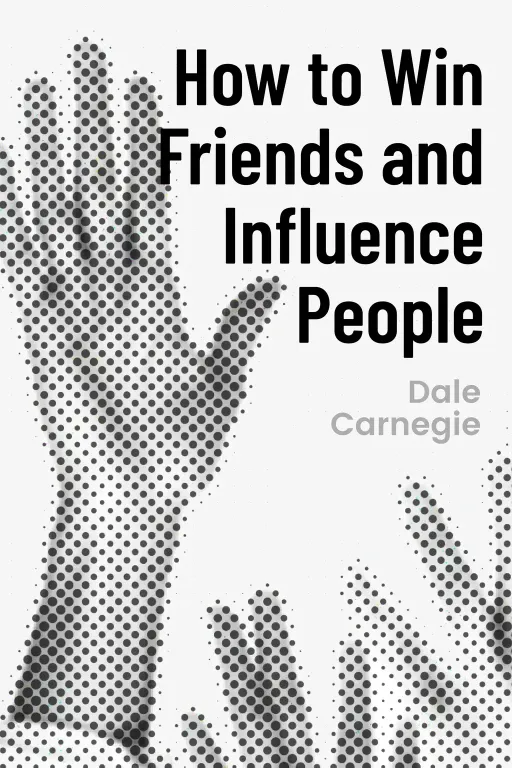
Nova: I know, right? It goes against every fiber of our competitive being. But that's precisely the radical wisdom Dale Carnegie introduced to the world in his seminal work, "How to Win Friends and Influence People." Published way back in 1936, this book has been a bedrock of personal and professional development for generations, selling millions of copies, and it challenges that very notion. Carnegie observed that the only way to get the best of an argument is to avoid it, focusing instead on shared goals. And this isn't about being passive; it's about building something far more valuable: relational capital.
Atlas: Relational capital. I like that. For a visionary leader, building trust and alliances is paramount. You can have the best ideas in the world for healthcare's future, but if you can't get people on board, they stay just that: ideas. So, what's the secret sauce Carnegie suggests for building this capital, especially when you're facing genuine disagreement?
Nova: He boils it down to something deceptively simple, yet profoundly impactful: "Be hearty in your approbation." It’s about genuine, sincere appreciation. Not flattery, not manipulation, but finding something authentic to commend, even in the midst of tension.
The Power of Relational Capital and Approbation
SECTION
Nova: Think about it this way: imagine two department heads in a major healthcare system, Dr. Evans and Dr. Chen. They’re locked in a heated debate over resource allocation for a new technological initiative. Dr. Evans, representing the surgical department, believes the bulk of the budget should go to new robotic equipment to improve surgical outcomes. Dr. Chen, from internal medicine, argues for investing in AI-driven diagnostic tools to enhance early detection across a broader patient base. The tension is palpable; both are passionate, both have valid points, and both are digging in their heels.
Atlas: I’ve been in that meeting. Everyone has the best intentions, but the conversation quickly devolves into a zero-sum game. You can feel the relational capital draining from the room with every sharp retort.
Nova: Exactly. Now, what if Dr. Evans, instead of immediately countering Dr. Chen’s points, paused and genuinely said, "Dr. Chen, I really appreciate your unwavering commitment to early diagnosis. Your team's work last quarter on identifying critical patient trends was truly exceptional, and I know that comes from a deep place of wanting the best for our patients."
Atlas: Whoa. That would completely change the dynamic. It's not agreeing with the, but acknowledging the and their. It disarms the immediate defense mechanism.
Nova: Precisely. That "hearty approbation" isn't about conceding the argument; it’s about recognizing a shared clinical goal—patient well-being—and the genuine effort behind it. It validates Dr. Chen as a person, as a dedicated professional, and it creates a small bridge of trust. Instead of two adversaries, you suddenly have two colleagues who, while disagreeing on tactics, share a fundamental objective. That relational capital, built in that moment of sincere appreciation, makes it infinitely easier to then say, "Now, regarding the specific allocation, here’s why I believe the robotic equipment is a crucial next step for..."
Atlas: So, it's a strategic move, not just a feel-good gesture. It’s about creating an opening for collaboration where there was previously only resistance. That’s powerful for someone trying to drive systemic change. It’s not about winning a battle, it’s about winning the war by building an army, not just fighting it. But how do you ensure that "hearty approbation" isn't perceived as manipulative or disingenuous, especially by highly discerning, strategic people?
Nova: That’s the key distinction: authenticity. Carnegie warns against flattery, which is insincere. Genuine approbation requires you to actually something admirable, something you truly appreciate, in the other person's effort or intention. It forces you to look beyond the immediate disagreement and see the deeper, often shared, humanity and purpose. It’s about active listening for common ground, even if it's just shared values. When you're driven by impactful change, you know that everyone involved a better outcome; finding that shared desire is where genuine appreciation can emerge.
Intentionality as the Engine of Growth
SECTION
Nova: And speaking of driving impactful change, that rarely happens by accident. It brings us to our second profound insight today, from John C. Maxwell's "The 15 Invaluable Laws of Growth." He presents what he calls the Law of Intentionality. It simply states: growth doesn't just happen; it requires a deliberate blueprint.
Atlas: That makes so much sense. I imagine a lot of our listeners, especially those navigating healthcare's future, feel a constant push for progress. But if you’re just reacting, just hoping opportunities land in your lap, you’re not really in control of your trajectory. You're waiting for growth, not creating it.
Nova: Exactly. Maxwell makes it clear that desire alone isn't enough. Many people to grow, but they mistake activity for progress. They read a book here, attend a seminar there, but without a clear, intentional plan, it's like throwing darts in the dark and hoping to hit a bullseye.
Nova: Let’s consider a leader, Sarah, working in a rapidly evolving health tech startup. She’s brilliant, dedicated, and constantly putting in long hours. She to be ready for the next level of leadership, to guide her team through increasingly complex regulatory landscapes and technological shifts. But her approach to growth is reactive: she reads industry news, attends conferences when she can, and hopes her hard work will naturally lead to promotion and increased influence. She's busy, but her growth feels stagnant, almost accidental.
Atlas: I can relate to that feeling. In a fast-paced environment, the idea of carving out time for a "deliberate blueprint" for growth often feels like another thing to add to an already overflowing plate. It’s like, "I'm already working 60 hours a week; now I need a on top of that?"
Nova: That's where the Law of Intentionality becomes so crucial, and it doesn't have to be overwhelming. Sarah, after feeling stuck, decided to apply Maxwell's law. Her blueprint wasn't some grand, months-long project. It started with identifying key skill she needed for her next role – let's say, strategic foresight in predicting market shifts. Then, she dedicated just 15 minutes to focused learning on that topic.
Atlas: Fifteen minutes. That sounds manageable. But in the grand scheme of things, for someone trying to shift an entire industry, how much can 15 minutes really move the needle? It feels almost insignificant.
Nova: That's the deceptive power of intentionality and consistency. Sarah didn't just read randomly; she sought out specific analyses, listened to targeted podcasts, and even scheduled a quick 15-minute chat with a mentor once a week to discuss what she was learning. Over time, those 15 minutes compounded. She started connecting dots others missed. She began to anticipate challenges before they arose. Her insights in meetings became sharper, more forward-thinking. She wasn't just her job; she was into her next role.
Atlas: That's a great example. It's about focused effort, not just the amount of time. It’s the difference between aimlessly wandering through a library and having a specific research question. That focused learning, even in small bursts, builds momentum. It’s the actionable blueprint that a focused strategist truly craves.
Nova: And it’s about embracing the journey. Your desire for growth is powerful, but it needs a map. Trust your instincts, yes, but also give those instincts a direction.
Synthesis & Takeaways
SECTION
Nova: So, what we've really explored today is how these two seemingly disparate ideas—Carnegie's relational capital and Maxwell's intentionality—are actually two sides of the same coin when it comes to driving impactful change.
Atlas: That’s a great way to put it. You can't effectively implement your intentional growth blueprint if you haven't built the relational capital to get others on board. And building relational capital requires an intentional approach, too, not just hoping people like you.
Nova: Absolutely. The "hearty approbation" isn't just a nice thing to do; it’s a deliberate, strategic action within your growth blueprint. It’s a tool for disarming resistance, building trust, and creating the collaborative environment necessary for systemic change. It’s about understanding that influence isn't about force, but about connection.
Atlas: For anyone navigating complex, high-stakes environments, seeking actionable blueprints for progress, this is gold. It’s about being strategic not just with your tasks, but with your and your. It’s about recognizing that leadership isn't just about what you achieve alone, but what you enable others.
Nova: And it starts small. This week's challenge, directly from our core takeaways, is to try to 'be hearty in your approbation' during a high-stakes meeting. Find that genuine point of appreciation, even if you disagree on the details. Use it to build that relational capital.
Atlas: And do it not just because it's nice, but because it's a strategic move in your blueprint for growth and influence. Then, intentionally reflect on the relational capital you've built and how that shifted the dynamic. Small steps build momentum, and this is a powerful one.
Nova: It truly is. Embrace the journey, trust your instincts, and start building that blueprint, one genuine connection at a time.
Atlas: We challenge you this week to put these insights into practice. We want to hear how it goes.
Nova: This is Aibrary. Congratulations on your growth!









