

Stop Guessing, Start Nurturing: The Guide to Evidence-Based Animal Care.
Golden Hook & Introduction
SECTION
Nova: What if everything you've been told about nurturing your beloved pet was based on well-intentioned guesswork, rather than the rock-solid foundation of science?
Atlas: Oh man, Nova, that’s a bold opener! Wait, are you saying our deep affection and cuddles might not be enough? Because I thought my unconditional love for my dog was, you know, the ultimate care package.
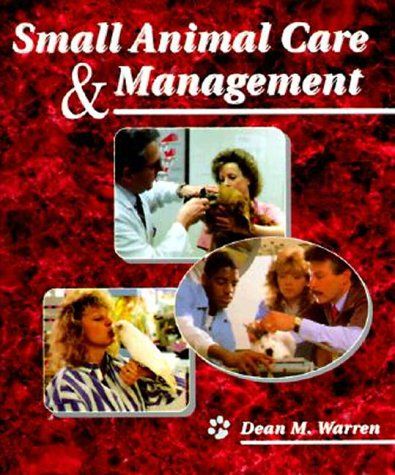
Nova: It absolutely is a of it, Atlas, a vital, heartwarming part. But the truth is, true, effective care for animals goes far beyond intuition. It demands a solid grasp of fundamental science. Today, we're diving into the profound insights from texts like "Small Animal Care and Management" by Dean M. Warren, alongside the foundational "Textbook of Veterinary Internal Medicine" by Stephen J. Ettinger and Edward C. Feldman.
Atlas: Ah, so these aren't just dry academic tomes. You’re saying they’re really the blueprints for understanding the intricate biological needs of the animals we cherish? That shifting from "I feel this is right" to "I know this is right" is the key?
Nova: Exactly. These aren't just textbooks; they're guides to providing truly effective, compassionate care. They lay out the scientific principles that inform every good practice in animal husbandry, nutrition, and health. It’s about replacing guesswork with informed decisions, leading to far better outcomes for our animal companions.
The Science Beneath the Fur: Unpacking Biological Imperatives
SECTION
Nova: And that brings us to our first core idea: "The Science Beneath the Fur: Unpacking Biological Imperatives." It’s about recognizing that every creature, from a tiny hamster to a majestic horse, has a unique biological makeup that dictates its needs. We often project our human understanding onto them, but their biology is often surprisingly complex and different.
Atlas: Okay, but isn't a balanced diet just, well, a balanced diet? I mean, we all need protein, carbs, vitamins. Why does it have to be so scientific, so deeply rooted in their specific biology? Can’t we just feed them a quality commercial food and call it a day?
Nova: That's a great question, and it's where the science truly shines. Take our feline friends, for example. Cats are obligate carnivores. This isn't a preference; it's a biological imperative. Their bodies are designed to derive nutrients almost exclusively from animal tissue.
Atlas: So you’re saying they can’t just go vegetarian? My friend tried to make their cat a vegan, and it did not go well.
Nova: Absolutely not, and that's precisely why understanding their biology is critical. A prime example is taurine. It's an amino acid vital for a cat's heart function and eyesight. Unlike dogs and humans, cats cannot synthesize enough taurine on their own; they must get it directly from their diet, primarily from meat.
Atlas: Wow, that’s a stark reminder that even with the best intentions, biology always wins. So, if someone were to feed a cat dog food long-term, what would happen?
Nova: The consequences can be severe. Without sufficient taurine, cats can develop a condition called dilated cardiomyopathy, a serious heart disease that weakens the heart muscle. It can also lead to irreversible blindness. The cause is a dietary deficiency, the process is a gradual weakening of vital organs, and the outcome can be tragic heart failure. It’s a powerful illustration of how ignoring a fundamental biological need can have dire, heartbreaking results, despite all the love in the world.
Atlas: That’s incredibly impactful. It really underscores why "Small Animal Care and Management" and "Veterinary Internal Medicine" aren’t just for vets. They’re for anyone who truly wants to understand the foundational needs. Can you give another quick example of a common biological imperative often overlooked?
Nova: Certainly. Think about environmental enrichment. A hamster, for instance, isn't just a cute pet that runs on a wheel. They are natural burrowers. Their biology dictates a deep-seated need to dig and create tunnels. If you don't provide deep enough bedding—say, six to eight inches—you're denying a fundamental behavioral imperative. This leads to stress, boredom, and often, health issues. It’s about understanding their natural behaviors, which are driven by their biology, and replicating necessary elements in captivity.
Atlas: So it’s about providing an environment that respects their inherent nature, not just a cage. That makes so much sense.
From Lab Coat to Living Room: Bridging Scientific Knowledge with Practical Care
SECTION
Nova: Exactly. Understanding the "why" of taurine deficiency or burrowing needs is one thing, but how do we take these deep scientific principles and actually them in our homes, our shelters, our daily lives? That's our second core topic: "From Lab Coat to Living Room: Bridging Scientific Knowledge with Practical Care."
Atlas: Right, because for someone like me, who wants to nurture creatively and compassionately, it's about making that science sing in a practical way. How do these big veterinary textbooks help us with the tiny steps, the day-to-day observations that can prevent a crisis?
Nova: That's where the practical framework from books like Warren's "Small Animal Care and Management" becomes invaluable. It translates complex veterinary principles into actionable practices. It teaches you how to observe, how to recognize subtle changes, and how to understand what those changes signify based on scientific knowledge of anatomy, physiology, and common ailments. It’s about developing a diagnostic mindset, even if you’re not a veterinarian.
Atlas: So, if we're not vets, how can we use this "diagnostic thinking" in our living rooms to notice something before it becomes a crisis? Give me a concrete, tiny step example.
Nova: Let’s talk about rabbits, another species with very specific biological needs. Rabbits’ teeth grow continuously throughout their lives. If their diet doesn't include enough abrasive hay, their teeth can overgrow, leading to sharp spurs that cut their cheeks and tongue.
Atlas: Ouch. That sounds painful. So what are the practical signs of that?
Nova: Exactly. A rabbit with dental issues might show subtle signs: decreased appetite, especially for hay, drooling, or a change in the size, shape, or number of their fecal pellets. An owner who understands rabbit anatomy and physiology, even at a basic level, knows that these specific observations aren't just random quirks; they’re critical indicators of a potentially serious dental problem. They know to look inside the rabbit's mouth, feel their jaw, and then, crucially, consult a vet specializing in exotics. This combines careful observation with scientific knowledge to prevent a small issue from becoming a life-threatening one.
Atlas: That's fascinating. So it's about sharpening our observation skills, but then knowing those observations mean because we understand the underlying science. It's like being a detective for wellness, blending the curious scientist with the compassionate guardian. How does this proactive, evidence-based mindset help prevent issues in the long run?
Nova: It's transformative. By recognizing these early signs and understanding their scientific basis, you can intervene much sooner. This prevents pain, reduces stress for the animal, avoids costly emergency vet visits, and ultimately improves their overall quality of life significantly. Proactive, evidence-based care reduces disease incidence, enhances behavioral well-being, and strengthens the human-animal bond. It's about nurturing from a place of knowledge, not just love.
Synthesis & Takeaways
SECTION
Nova: So, what we’re really talking about today, Atlas, is moving animal care from an art form based on good intentions to a precise science, deeply rooted in biological understanding. True compassion isn't just about giving love; it's about informed action. A scientific foundation transforms our care, leading to better outcomes, deeper connections, and a truly thriving animal companion.
Atlas: That's actually really inspiring. So, it's about empowering ourselves with knowledge to be truly effective guardians, bridging the gap between our love for animals and the science that makes that love truly impactful. It makes me wonder, what's a simple, actionable step listeners can take right after this episode to begin this journey?
Nova: That's a perfect question to end on. The tiny step we recommend is to research the specific nutritional needs of just one animal you care about. Compare what you might commonly believe about their diet with scientific recommendations. You might be surprised at what you discover about their unique biological imperatives. It’s a small step, but it opens the door to a world of evidence-based nurturing.
Atlas: I love that. It turns that scientific curiosity into immediate, practical action for the animals we love.
Nova: Absolutely. This is Aibrary. Congratulations on your growth!