Mastering Strategic Foresight & Career Trajectory
Golden Hook & Introduction
SECTION
Nova: Forget the old advice about "just working hard." What if I told you your career progression often has less to do with your sheer output and more to do with the narrative you're building?
Atlas: Whoa, that's a bold claim right out of the gate! I imagine a lot of our listeners, the ones burning the midnight oil, might feel a little stung by that. Are you saying effort doesn't count?
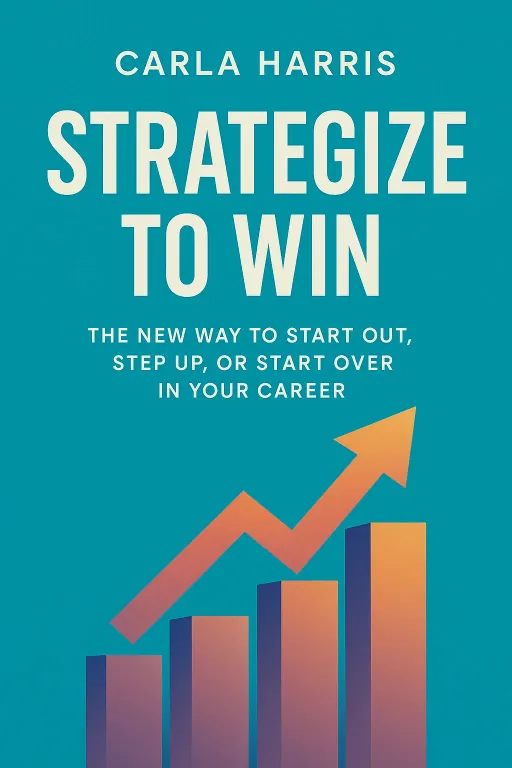
Nova: Effort absolutely counts, Atlas. But it's not the currency. Today, we're diving into a powerful combination of insights from Carla A. Harris's "Strategize to Win" and the timeless wisdom of the "HBR Guide to Thinking Strategically." Harris, a Vice Chairman at Morgan Stanley, shattered glass ceilings and built an incredible career, giving her a unique, battle-tested perspective on how perception and personal strategy are just as vital as performance.
Atlas: Oh, I like that. So, it’s not just about what you do, but how you’re seen doing it, and where you're steering the ship, personally and professionally. That resonates with anyone trying to balance a demanding career with, well, everything else in life.
Personal Strategic Planning & Brand Building
SECTION
Nova: Exactly. Harris's core message is that your career is a strategic game, not just a series of tasks. You wouldn't launch a product without a strategy, so why would you leave your professional trajectory to chance? She champions developing a personal strategic plan.
Atlas: Okay, so a "personal strategic plan." That sounds a bit like corporate jargon, doesn't it? For someone who's already swamped, trying to make meaningful progress, is this just another to-do list, or is it truly actionable?
Nova: It’s profoundly actionable. Think of it this way: a personal strategic plan means consciously identifying your goals, understanding your unique value proposition, and, crucially, figuring out who your key stakeholders are. These aren't just your boss or your clients; they're the people who have a say in your career progression, your sponsors, your advocates.
Atlas: Right, like the silent partners in your career journey. But how do you even identify them, especially if you're not in a super visible role?
Nova: It requires intentionality. Harris talks about "perception is reality." It’s not enough to capable; you must be as capable and ready for the next level. She illustrates this with vivid examples from her own career, navigating complex corporate structures where talent alone wasn't enough. It was about proactively managing how she was seen, what she was known for, and who knew it.
Atlas: That’s a tough pill to swallow for some, I think. It implies a level of self-promotion that can feel… uncomfortable. Like, "just do good work and you'll be recognized."
Nova: And that's often a myth, isn't it? Harris argues that you need to build a strong personal brand. What are your three adjectives? What do people say about you when you leave the room? Are those adjectives aligned with where you want to go? This isn't about being inauthentic; it's about being clear and consistent in communicating your strengths and aspirations.
Atlas: So, it's like being your own marketing department, but for your career. And what about calculated risks? That sounds terrifying for someone who values stability and clarity. How do you take a "calculated" risk when the future feels so uncertain?
Nova: That’s where the "calculated" part comes in. It’s not blind leaps. It’s about assessing the potential upside, understanding the downside, and having a safety net or a Plan B. Harris emphasizes that growth rarely happens within your comfort zone. Sometimes, the riskiest thing you can do is do nothing at all. This personal strategic plan gives you the framework to evaluate those risks against your long-term goals.
Organizational Strategic Thinking & Anticipating Change
SECTION
Nova: Now, once you have that personal foundation, it’s time to zoom out. This is where the "HBR Guide to Thinking Strategically" becomes incredibly powerful. It’s about applying big-picture organizational strategy to your own path.
Atlas: Okay, so this sounds like CEO-level stuff. How does someone who isn't running a Fortune 500 company apply this? Is it just about buzzwords for a resume, or something truly practical for, say, an entrepreneur or someone navigating a rapidly changing industry?
Nova: It’s absolutely practical. The HBR Guide compiles insights on how to analyze complex situations, anticipate market shifts, and formulate actionable strategies. Think of it as developing a radar for your professional environment. It teaches you to look beyond your immediate tasks and understand the broader forces at play.
Atlas: So, it's like using a company's GPS to navigate your own car? What if the map keeps changing? How do you stay agile without constantly chasing the next big thing or getting overwhelmed by all the potential shifts?
Nova: That's precisely the challenge it addresses. It’s not about predicting the future with perfect accuracy, which is impossible. It’s about developing frameworks to make sound judgments even in uncertainty. One key aspect is structuring strategic problems. Instead of feeling a vague sense of unease about, say, AI's impact on your industry, you break it down: What are the specific threats? What are the opportunities? What resources do I need?
Atlas: That makes sense. It moves you from anxiety to analysis. Can you give an example of how understanding market shifts from an organizational perspective could directly benefit an individual's career?
Nova: Absolutely. Imagine you're in a traditional industry, and you start seeing signals of disruption – new technologies, changing consumer behaviors, emerging competitors. If you're thinking strategically, you don't just react; you anticipate. You might proactively acquire new skills, pivot your niche, or even identify new entrepreneurial opportunities within that shifting landscape. It’s about seeing the tsunami coming and learning to surf, rather than being swept away.
Atlas: That’s a powerful analogy. It brings a sense of control to what often feels uncontrollable. It's about being proactive with your learning and growth, which is something our listeners are always striving for.
Synthesis & Takeaways
SECTION
Nova: So, the magic really happens when you integrate these two powerful approaches. You have Carla A. Harris teaching you to own your personal narrative, manage perceptions, and strategically build your brand. And then you have the HBR Guide providing the tools to understand the larger playing field, anticipate changes, and make informed, proactive decisions.
Atlas: It creates a much more impactful and balanced professional path, doesn't it? It’s not just about doing good work, and it's not just about knowing the market. It's about intentionally weaving those two together to create genuine progress, which is what our pragmatic learners are always seeking.
Nova: Precisely. Foresight, both personal and organizational, isn't about having a crystal ball. It’s about having a compass and a map, and knowing how to adjust them as the terrain changes. It’s about actively shaping your trajectory, rather than passively observing it.
Atlas: That’s actually really inspiring. For anyone feeling overwhelmed by the sheer pace of change, or just trying to navigate career, family, and personal well-being, having these strategic tools gives a real sense of agency.
Nova: It truly does. So, for our listeners, here’s a challenge: take 15 minutes this week. Identify one key stakeholder in your career you want to build a stronger relationship with, or pinpoint one market trend that could impact your industry and research it.
Atlas: Small steps, big impact. That's how you make meaningful progress.
Nova: This is Aibrary. Congratulations on your growth!