

The Hidden Power of Influence: Storytelling for Strategic Impact.
Golden Hook & Introduction
SECTION
Nova: What if I told you that the most persuasive argument you can make isn't built on ironclad facts, but on something far more ancient, far more human, and often, completely overlooked?
Atlas: Oh, I love that. Because honestly, for a lot of us, we’re drowning in data. We’ve got the facts, the figures, the meticulously prepared reports… and then our message still falls flat. It’s like we’re speaking a different language.
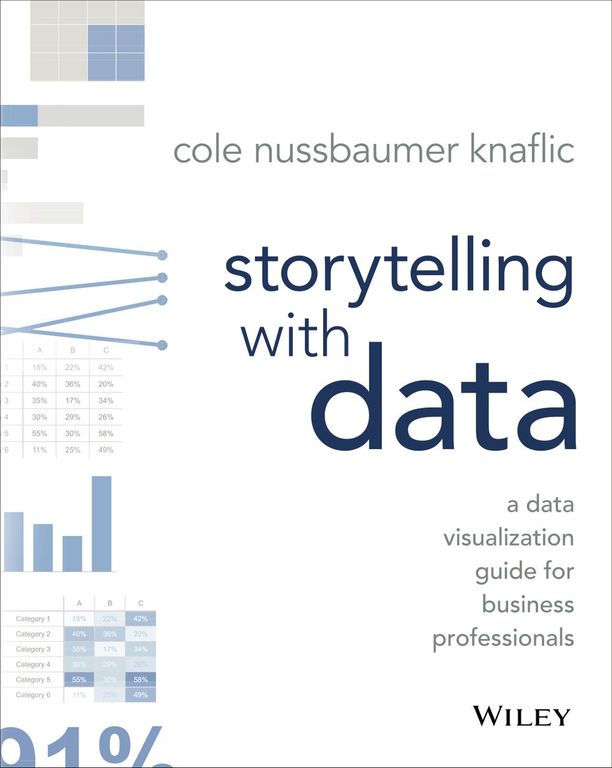
Nova: Exactly! It’s the strategic leader’s blind spot. We operate in a world that values data, logic, and precision, yet we forget that humans are fundamentally wired for something entirely different: narrative. And that’s what we’re digging into today, drawing insights from two phenomenal books: Cole Nussbaumer Knaflic’s “Storytelling with Data” and Chip and Dan Heath’s “Made to Stick.”
Atlas: Oh, I like that. Knaflic is such an authority on data visualization, so it’s fascinating that she pivoted to storytelling, realizing that even the best charts need a narrative. And the Heath brothers, they’re masters at breaking down why some ideas just… stick, and others vanish.
Nova: Absolutely. Knaflic, coming from the world of Google, saw firsthand that even brilliant data scientists struggled to make their insights actionable. It wasn't the data's fault, it was the presentation. And the Heath brothers, with their academic chops in business and psychology, really dissected the anatomy of memorable ideas. They figured out why urban legends spread faster than scientific papers.
Atlas: So you're saying, for those of us trying to get buy-in on big strategic initiatives or inspire our teams, we need to move beyond just presenting information and start actively shaping understanding and inspiring commitment?
Nova: Precisely. Today, we’re going to explore why human brains are wired for stories, not just data. Then, we’ll unveil the concrete strategies and principles for crafting those sticky, influential narratives that truly drive action.
Beyond the Numbers: Why Stories Resonate Where Data Fails
SECTION
Nova: So, let’s start with that fundamental truth: humans are wired for narrative. Our brains literally process stories differently than they do raw facts. Data is logical; stories are emotional and memorable.
Atlas: But wait, isn't data supposed to be objective? For someone trying to get buy-in on a multi-million-dollar project, just telling a story feels… fluffy. It feels like we’re losing the rigor.
Nova: I totally know that feeling. It’s a common misconception. Think of it like this: data is the blueprint, but a story is walking through the finished house. Which one truly helps you feel what it’s like to live there, to understand its potential, its flaws, its future? Stories activate more parts of the brain. They create empathy. They make information stick because they tap into our primal way of understanding the world.
Atlas: So you're saying our brains literally process stories differently? That’s actually really inspiring for anyone who’s ever had their meticulously prepared charts fall flat in a big meeting. It gives me chills thinking about how many strategic proposals are missing that human element.
Nova: Exactly. The Heath brothers, in “Made to Stick,” actually have a framework for this, the SUCCESs principles. Two of them, Simplicity and Emotion, are core to why stories are so powerful. Simple stories are easy to grasp. Emotional stories connect with us on a deeper level. They bypass the analytical brain and go straight for the gut.
Atlas: Can you give an example? Like, a real-world strategic problem where data alone failed, but a story saved the day? Because that’s where the rubber meets the road for a lot of our listeners.
Nova: Absolutely. It’s a classic example from “Made to Stick.” Imagine a charity trying to convey the overwhelming scale of poverty in Africa. They had all the data: millions starving, staggering statistics on disease and famine. But these numbers, while accurate, were too vast, too abstract. People felt overwhelmed and disengaged.
Atlas: Right, like that feeling of, "What can I possibly do against?" It just shuts you down.
Nova: Precisely. So, instead of more statistics, they tried something different. They told the story of, a young girl named Rokia. They described her life, her struggles, her hopes. They put a face to the problem. This single narrative mobilized far more donations and empathy than all the data combined. People could connect with Rokia; they couldn't connect with 'millions.'
Atlas: Wow, that's kind of heartbreakingly effective. It's like we need to feel something first, before the facts even register. That’s such a powerful illustration of the difference between information and impact.
The Architect's Toolkit: Building Influential Narratives from Data and Principles
SECTION
Nova: Exactly. And that naturally leads us to the second key idea: how do we actually this? How do we build those impactful narratives, especially when we to present data? Because as you said, we can’t just ditch the numbers.
Atlas: I mean, for leaders, the numbers important. We need them for credibility, for forecasting. How do we blend the two without making it feel manipulative or losing that crucial credibility?
Nova: That’s where Cole Nussbaumer Knaflic’s “Storytelling with Data” becomes an indispensable guide. Her core idea is not about data, but it. It’s about leveraging the data to your story, not your story. Her process starts with identifying your audience and your message first, choosing the right visuals.
Atlas: So basically you’re saying, know your audience, know your point, and then pick the visual that tells story, not just data chart you happen to have? That makes sense.
Nova: Precisely. Knaflic emphasizes the importance of and. She argues that every single element in your visual—every line, every label, every color—should serve a purpose in telling your story. If it doesn't, it's noise. It distracts from the narrative you're trying to build.
Atlas: Okay, so let’s say I’m presenting quarterly results. Instead of a dozen complex charts, Knaflic would say simplify, focus on the 'so what,' and tell the story of what those numbers for the future, for the team, for the strategic direction?
Nova: Exactly. It’s about focusing on the insight, not just the information. And connecting back to the Heath brothers, that's where and come in. Make your data concrete – what does a 15% increase like in real terms? How does it translate to a tangible outcome for the team or the customer? And ensure your story has credibility, not just from the data itself, but from your conviction and the narrative arc you weave.
Atlas: That makes me wonder, how does this apply to something like getting a team to adopt a new, potentially difficult strategy? It’s not just about charts then, is it? It’s about a bigger narrative.
Nova: Absolutely. Imagine a company trying to pivot to a new, more sustainable but initially less profitable product line. Data shows long-term benefits, but there’s short-term pain. Knaflic and Heath would advise: don't just show projected revenues in five years. Tell the story of a specific customer whose life will be improved by this new product, or the story of the environmental impact averted, or the story of a competitor who to innovate and was left behind.
Atlas: That’s a perfect example. It’s like you’re not just presenting a business case; you’re building a shared vision through narrative. For leaders aiming to inspire, that’s invaluable. It transforms a dry strategic objective into a mission.
Synthesis & Takeaways
SECTION
Nova: Ultimately, what both Knaflic and the Heath brothers show us is that strategic impact isn't just about having the right answers, it's about making those answers resonate. It’s about understanding that our audience, whether it’s investors or our own team, are human beings who respond to stories.
Atlas: And for our listeners who are often 'Strategic Cultivators' and 'Visionary Catalysts,' constantly trying to get buy-in and align their teams, this isn't just a communication trick. It's a fundamental shift in how they lead. It's about recognizing the human element in every strategic endeavor.
Nova: Absolutely. The deep question we posed earlier was: How could framing your strategic goals as a compelling narrative, rather than a list of objectives, increase team buy-in? The answer is profound. It moves people from passive recipients of information to active participants in a shared journey.
Atlas: It turns objectives into adventures, and data into destiny. It changes 'what we need to do' into 'who we can become.' That’s actually really inspiring. It’s about giving purpose to the numbers.
Nova: Exactly. So, for anyone looking to foster deeper team connection and achieve truly impactful strategic alignment, start by finding the story in your strategy. What’s the narrative that will make your vision not just understood, but truly felt?
Atlas: And share your strategic stories with us! How have you used narrative to get buy-in, to inspire your team, or to make a complex idea stick? We’d love to hear your experiences and insights on our social channels.
Nova: This is Aibrary. Congratulations on your growth!