

The Art of Data Storytelling: Bridging Insights to Influence
Golden Hook & Introduction
SECTION
Nova: Atlas, if I told you that the secret to becoming a data wizard wasn't just about crunching numbers, but about telling bedtime stories, what would you say?
Atlas: I'd say you've either had too much coffee, or you're finally admitting that spreadsheets are just really detailed fairy tales. Which one is it?
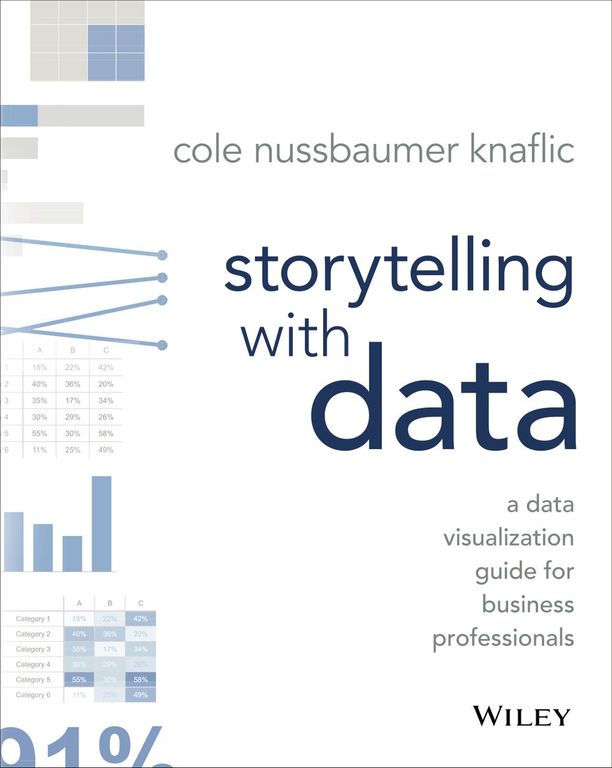
Nova: You know, it's more the latter, actually. We're diving into 'The Art of Data Storytelling,' specifically inspired by Cole Nussbaumer Knaflic’s seminal work, 'Storytelling with Data'. Knaflic, a former Google analyst, practically wrote the modern playbook on how to make your data not just seen, but truly – something many data professionals desperately need in our increasingly data-rich world.
Atlas: Oh, I love that. So, it's not just about showing a graph, it's about making someone the graph?
Nova: Exactly! It's about building a bridge. We've got this incredible technical depth in data, but often, that brilliance gets lost in translation when it reaches the decision-makers. They need more than just raw data; they need insight, impact, and a clear path forward.
Atlas: Right. I imagine a lot of our listeners, especially those who are deep in the technical weeds, have felt that frustration. You pour hours into an analysis, uncover this incredible truth, and then... crickets. It's like speaking a different language.
The Bridge from Data to Decision: Why Storytelling is Non-Negotiable
SECTION
Nova: That's the chasm, Atlas. It's the gap between the data producer and the data consumer. Think of it this way: you have a brilliant architectural engineer who designs a magnificent, structurally perfect skyscraper. Every beam, every stress point, meticulously calculated.
Atlas: And then they present a 300-page engineering report full of complex diagrams and equations to a city council.
Nova: Precisely! The council members, or in our case, the executive team, don't need to understand every single equation. They need to know: Is it safe? Will it stand? What will it cost? What problem does it solve for the city? They need the of the skyscraper, not the blueprint itself.
Atlas: So, it's not about dumbing down the blueprint, it's about contextualizing it and making it relevant to questions.
Nova: Exactly. Data storytelling isn't about diluting the truth; it's about amplifying it. It's about translating complex truths into a narrative that resonates, persuades, and drives action. It creates empathy for the data, if you will.
Atlas: That makes me wonder, isn't the data supposed to speak for itself? Why do we need to 'dress it up'? Some technical folks might see storytelling as a 'soft skill' that takes away from the hard science.
Nova: That's a classic misconception, and a valid one, especially for architects of data who value robust design above all else. It's not about dressing it up or adding fluff. It's about structure, clarity, and relevance. Imagine a data team that uncovers a critical customer churn pattern using advanced machine learning models. They present a dense report with ROC curves, precision-recall metrics, and dozens of tables. The CEO nods politely, thanks them, and then... nothing. No action.
Atlas: That sounds rough, but I can definitely relate. I've seen that happen.
Nova: Now, imagine the same data team comes in and instead tells the story of 'Sarah.' Sarah was a loyal customer for five years, used their product daily, but churned last month. They then walk through Sarah's journey, showing how a specific product bug, identified by their data, directly led to her frustration and eventual departure. They back it up with the aggregated data, showing thousands of 'Sarahs' experiencing the same issue, quantifying the emotional and financial cost.
Atlas: Whoa. That's a completely different meeting. You're not just presenting numbers; you're presenting a relatable human experience that the numbers support.
Nova: Exactly. The data isn't just a collection of points; it's a reflection of human behavior, market dynamics, and strategic opportunities. When you frame it as a story, you make it human. You make it memorable. And for strategic leaders who need to envision the future, storytelling helps them see not just, but if they act on the insights. It helps them articulate that vision to their teams.
Atlas: So, it’s about making the data's inherent truth accessible and actionable, not just visible. It sounds like a powerful tool for leadership, especially for those looking to guide and inspire teams effectively.
Crafting the Narrative: Tools and Techniques for Impactful Data Stories
SECTION
Nova: That's exactly where the 'how' comes in. If we agree storytelling is vital, how do we actually it without sacrificing technical integrity? Knaflic’s framework, and really the entire philosophy of impactful data communication, emphasizes a few key principles. First, simplification. Not oversimplification, but distillation. What is the single most important message here?
Atlas: Okay, so it’s not about showing everything, but showing the thing. How do you know story to tell when you have so much data? That’s going to resonate with anyone who struggles with data overload.
Nova: That's a crucial question, Atlas, and it speaks to the strategic approach our listeners value. It comes down to understanding your audience and their context – what Steve Lohr, in 'The Big Picture,' might call understanding the broader landscape of data transformation. What are their questions? What decisions do they need to make? What keeps them up at night? The story you tell should directly address those.
Atlas: So, it's not about dumbing down the data, but making it smart for the audience. And it’s about inspiring curiosity and critical thinking, not just acceptance, right? How do you achieve that?
Nova: Absolutely. It's about creating a narrative, a beginning, middle, and end, even for your data presentation. The "beginning" sets the context and the problem. The "middle" presents the data as evidence, often through clear, annotated visualizations that highlight changed and. And the "end" offers the solution or recommendation, showing the path forward.
Atlas: Can you give an example? Like how this plays out in a real-world scenario?
Nova: Certainly. Imagine a data analyst tasked with showing the impact of a new marketing campaign. They could present a dashboard with twenty different metrics – clicks, impressions, conversions, bounce rates, on and on. But a storytelling approach would focus on one or two key metrics that truly matter to the business goal, say, customer lifetime value increase.
Atlas: Right, like how it directly impacts the bottom line.
Nova: Precisely. They'd start by setting the stage: "Our previous campaign was underperforming, leading to stagnant customer value." Then, they'd show a clear, annotated chart, not just a line graph, but one that visually highlights the specific period the new campaign ran, clearly demonstrating the uplift in customer lifetime value. They'd explain this increase occurred, linking it directly to the campaign's innovative strategies.
Atlas: I can see how that would be much more compelling. It’s like, “Here’s the problem, here’s what we did, and here’s the result, backed by data.”
Nova: And crucially, the presentation wouldn't just state the findings; it would invite questions. "What does this mean for future campaigns?" or "How can we replicate this success in other areas?" That's how you inspire curiosity and critical thinking, because you've given them a clear, digestible narrative to engage with. You've transformed raw data into a strategic conversation.
Atlas: That’s a great way to put it. It sounds like a powerful way to not only present findings but also to inspire curiosity and critical thinking about data within a team, which is a huge part of shaping the future of data. It aligns perfectly with the idea of taking a tiny step, like explaining a recent data analysis to a non-technical colleague in under two minutes, using a narrative structure.
Nova: Absolutely. That 'tiny step' is incredibly powerful. It forces you to distill your complex analysis into its core message and frame it in a way that someone unfamiliar with the technical jargon can grasp instantly. It's a muscle you have to build.
Atlas: I imagine that also helps reinforce your own understanding of the data, doesn't it? If you can't tell the story simply, maybe you don't fully understand the insight yourself.
Nova: Oh, I love that. It's a fantastic litmus test. If you can't explain it simply, you don't understand it well enough. It forces you to find the 'so what' and the 'who cares' in your data.
Synthesis & Takeaways
SECTION
Nova: So, what we've really explored today is how data storytelling isn't just a communication technique; it's a fundamental leadership skill. It’s the language through which technical depth translates into strategic influence, enabling data architects to become true leaders who can shape the future.
Atlas: It empowers you to move beyond just building robust systems to actually envisioning and communicating their future impact. It's about leading with insight, not just with data points.
Nova: Exactly. And the most powerful takeaway, the one actionable thing you can do right now, is to take that 'tiny step.' Pick a recent data analysis you've done. Now, try to explain its key finding to a non-technical colleague in under two minutes, using a narrative structure. Focus on the problem, the insight the data revealed, and the potential solution or impact.
Atlas: That’s a fantastic challenge. And for all of you out there grappling with turning your brilliant data into compelling stories, we'd love to hear your experiences. What's been your biggest challenge? What's your go-to analogy when explaining complex data? Share your insights with us.
Nova: Because ultimately, mastering the art of data storytelling is about transforming your technical expertise into a powerful force for change and leadership. It’s about building bridges, one compelling narrative at a time.
Atlas: This is Aibrary. Congratulations on your growth!