

The Art of Connection: How Stories Build Bridges, Not Walls
Golden Hook & Introduction
SECTION
Nova: Atlas, what if I told you the most emotionally resonant story you'll hear today might not come from a novel, or a film, but from a spreadsheet?
Atlas: Whoa, really? A spreadsheet? You're telling me Excel can make me cry? I've seen some budget spreadsheets that made me want to cry, but for entirely different reasons!
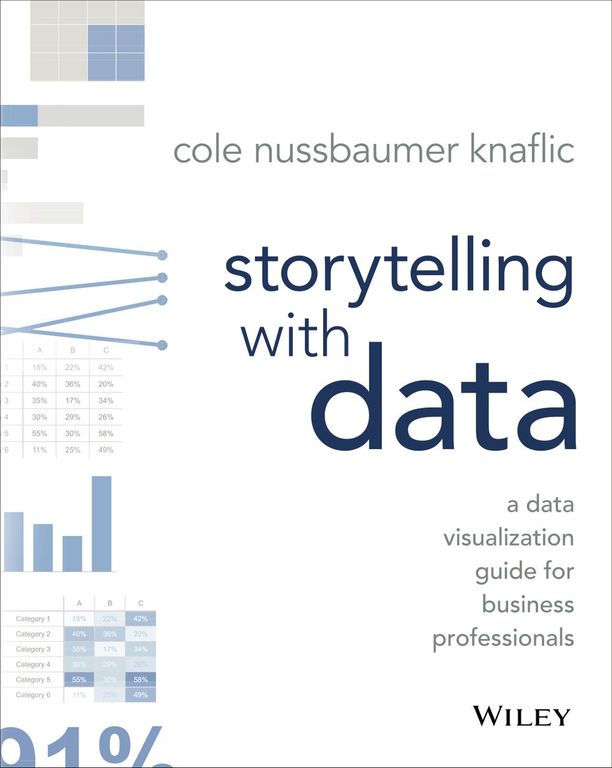
Nova: Exactly! It sounds counterintuitive, doesn't it? But today, we're diving into the profound art of connection, drawing insights from two incredible works: Cole Nussbaumer Knaflic's seminal "Storytelling with Data," a book that revolutionized how we think about communicating insights, and Joseph Campbell's timeless "The Power of Myth," which unpacks the universal narratives that bind humanity.
Atlas: Knaflic, with her background at Google, really showed us how to move beyond just presenting numbers to truly crafting narratives that stick. She brought this incredible clarity to a field often bogged down in jargon.
Nova: And Campbell, he wasn't just an academic; he turned mythology into a living, breathing guide for millions, influencing everything from Hollywood to self-help. His work made ancient wisdom feel incredibly current and accessible, showing us how these deep stories are woven into our very being.
Atlas: So, we're looking at how to make things connect, whether it's cold, hard data or ancient, mystical tales. It's about finding that human pulse in everything.
The Human Heart of Data: Crafting Empathy through Visual Stories
SECTION
Nova: Precisely. And that naturally leads us to our first big idea: the human heart of data. Knaflic's core premise is simple yet revolutionary: data is just a collection of facts until you give it a human context, until you infuse it with empathy and clarity.
Atlas: But isn't data inherently cold? I mean, we're talking numbers, statistics, charts. How do you put a heart into a bar graph?
Nova: That's the magic. Think about Florence Nightingale. During the Crimean War, she wasn't just collecting numbers on soldier deaths. She was staring at a catastrophe, and she needed to convince skeptical military leaders, who were entrenched in their ways, that sanitation, not just battle wounds, was the real killer.
Atlas: Right, they had this narrative that war was just inherently bloody, and soldiers died in combat.
Nova: Exactly. So, she created what's now famously known as the "coxcomb" chart. It wasn't a standard bar chart; it was a radial diagram, almost like a flower, where each petal represented a month, and the size of the petal showed the number of deaths. And within each petal, different colors indicated deaths from battle wounds versus preventable diseases.
Atlas: Oh, I've seen those! They're visually striking.
Nova: They are. And the cause, the poor sanitation, was invisible until she made it undeniable. The process was her meticulous data collection and then this ingenious visual presentation. The outcome? Policy change. Lives saved. She didn't just present statistics; she crafted a visual plea, showing the silent, preventable tragedy unfolding. It wasn't just numbers; it was a visual outcry for human lives.
Atlas: Wow. So, it wasn't about dazzling them with every single number, but nudging them with just the right visual story. It made the abstract, horrifying reality concrete and impossible to ignore.
Nova: Absolutely. She understood her audience – busy, set-in-their-ways generals – and she presented the data in a way that bypassed their intellectual defenses and went straight to their understanding, and hopefully, their conscience. For a visual storyteller, it’s about understanding who you’re talking to and what emotional chord you need to strike.
Atlas: I guess that makes sense. It’s like, if you just show me a bunch of ingredients, I might not get excited. But if you show me a beautifully plated meal, suddenly I'm interested. The data is the ingredients, and the visual storytelling is the plating.
Nova: A perfect analogy, Atlas! It's about transforming raw elements into something digestible, beautiful, and impactful.
Archetypes, Aesthetics, and Universal Bridges: Tapping into Shared Human Experience
SECTION
Nova: Speaking of stories that resonate deeply, that naturally brings us to Joseph Campbell and the idea that some stories just... hit different, across all cultures and across all time.
Atlas: You mean like the 'Hero's Journey'? Everyone talks about that.
Nova: Precisely. Campbell spent his life studying myths from around the world – ancient Egyptian, Hindu, Native American, European folklore – and he found these profound, recurring patterns. The 'Hero's Journey' is the most famous, where a protagonist leaves their ordinary world, faces trials, gains wisdom, and returns transformed.
Atlas: So, if I’m creating a visual, how do I actually into an archetype? Am I supposed to be thinking, 'Okay, this is a hero's call to adventure now'?
Nova: Not necessarily in such a literal, rigid way. For a visual storyteller, it’s often more intuitive. It's about understanding the fundamental human desires and fears that these archetypes represent. Take a visual artist, for example, trying to convey a message of resilience. Instead of just showing a picture of someone overcoming adversity, they might intuitively use visual cues that echo the 'challenge-struggle-triumph' archetype. A winding path, a dark forest giving way to light, a solitary figure facing a vast, unknown landscape.
Atlas: So, it's about the subconscious recognition of a pattern we've seen a thousand times in stories, even if we don't consciously label it. It makes the image universally powerful because it speaks to a shared human experience.
Nova: Exactly. Campbell showed that seemingly disparate myths share fundamental structures because they speak to our shared human experiences of birth, death, transformation, and purpose. Your innate aesthetic sense, as a visual storyteller, can be a powerful tool for empathy here, allowing you to intuitively tap into these archetypes. You’re not just designing; you’re cultivating connection by echoing universal truths.
Atlas: That makes me wonder, how do these ancient myths remain relevant today in our hyper-modern, data-driven world?
Nova: Because human nature hasn't fundamentally changed. We still grapple with the same questions of identity, purpose, belonging, and overcoming adversity. The 'monomyth' isn't just an old story; it's a blueprint for growth and transformation that we see playing out in modern literature, film, and even our own lives. A visual that taps into that feels inherently meaningful because it speaks to something timeless within us. It’s about building bridges across cultures and generations, not walls.
Atlas: That’s actually really inspiring. So, whether it's a data visualization showing a critical trend or a photographic series exploring transformation, it’s all about understanding that deep human yearning for meaning and connection.
Synthesis & Takeaways
SECTION
Nova: Absolutely, Atlas. Whether we’re talking about Cole Nussbaumer Knaflic’s meticulous approach to making data speak to the heart, or Joseph Campbell’s profound exploration of universal myths, the core insight is the same: true impact in visual storytelling isn't just about beauty or accuracy. It’s about the profound empathy created when a story connects on a human, archetypal level.
Atlas: It transforms mere observation into shared understanding and even healing. For anyone who creates visuals, whether for a presentation or an art piece, it’s a reminder that your unique aesthetic sense is your superpower. It's not just about what looks good; it's about what good, what resonates, what builds those genuine bridges in a fragmented world.
Nova: Indeed. It's about recognizing that every visual you create has the potential to be a vessel for shared human experience, to make complex ideas accessible and emotionally resonant. This isn't just about art; it's about connection, growth, and well-being.
Atlas: So, for our listeners, think about a visual story that has deeply moved you. What elements did it use to forge that connection? Reflect on how you might integrate those powerful, human-centric elements into your own work. What universal chord did it strike?
Nova: This is Aibrary. Congratulations on your growth!