

Beyond Tech: The Hidden Power of Strategic Storytelling for AI Leaders
Golden Hook & Introduction
SECTION
Nova: Forget the algorithms, the neural networks, the terabytes of data. The biggest challenge facing AI isn't technical; it's profoundly human. And most leaders are completely missing it.
Atlas: Whoa. That's a bold statement, Nova. I mean, for those of us building the future with AI, we tend to think the tech the challenge. What exactly is this "profoundly human" problem you're talking about?
Nova: It’s the blind spot, Atlas. It's the profound misunderstanding that technical brilliance alone will inspire action or secure buy-in. We sometimes forget that people connect with narratives, not just data points. And for AI, that means translating complex algorithms into compelling human impact.
Atlas: Oh, I like that. So, it’s not about your AI, but?
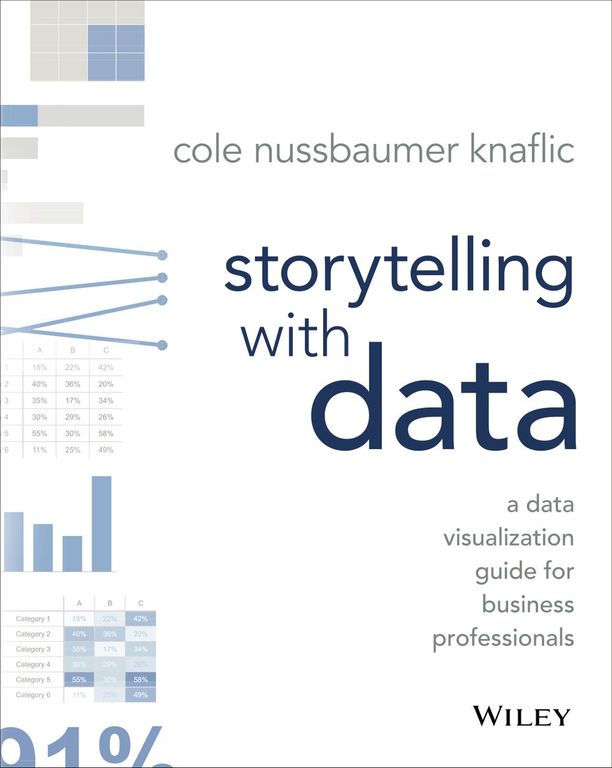
Nova: Precisely. And today, we're diving deep into this with insights from two seminal works: "Storytelling with Data" by Cole Nussbaumer Knaflic, who's renowned for making complex data digestible, and "Made to Stick" by Chip Heath and Dan Heath, whose research into why certain ideas thrive has influenced countless communicators. These aren't just academic texts; they're blueprints for making your AI vision unforgettable.
The AI Storytelling Imperative: Bridging Data and Human Impact
SECTION
Nova: So, let's start with this blind spot. Imagine an AI team develops an incredible new system that can optimize a notoriously inefficient process by 300%. The data is irrefutable. The engineering is flawless. They present it with charts, graphs, and technical specifications that are, frankly, beautiful in their complexity.
Atlas: Sounds like a Tuesday for a lot of our listeners who are innovators and strategists. They live and breathe those technical triumphs.
Nova: Exactly. But then… crickets. Or worse, resistance. Why? Because while they presented an impeccable technical achievement, they failed to tell a story about what that 300% optimization for the people whose lives it impacts. They didn't articulate the human impact.
Atlas: Okay, but for someone building cutting-edge AI, isn't the data the story? Why isn't a technically superior product enough? We're trained to value precision, efficiency, the empirical truth. This idea of 'storytelling' can feel a bit... fluffy, almost.
Nova: I can definitely see how that would be the initial reaction for someone who thinks in systems and engineers solutions. But here’s the crucial part: data alone is often inert. It needs a narrative to give it meaning, context, and emotional weight. Think about an AI diagnostic tool. The algorithm might be 99% accurate in detecting a rare disease. But if the public narrative focuses solely on data privacy concerns or job displacement for human diagnosticians, ignoring the story of lives saved or earlier, less invasive treatments, then that brilliant AI might never see the light of day.
Atlas: So, are we saying that the best AI in the world can be dead on arrival if the story isn't there? That feels almost counter-intuitive to how we're trained in tech. What does "human impact" really mean in an AI context beyond just a buzzword?
Nova: It's about connecting the dots to universal human needs and aspirations. For that diagnostic tool, the human impact is peace of mind for patients, more time with loved ones, the ability to plan for a future that was once uncertain. For an AI optimizing a supply chain, it’s not just about cost savings; it’s about ensuring essential goods reach communities faster, or reducing waste for a healthier planet. It's about leading ethically and effectively, making complex ideas both understandable and emotionally resonant. If you can't tell that story, you're not just losing a sale; you're losing the chance to make a meaningful impact.
Crafting Sticky AI Narratives: Principles from Data and Psychology
SECTION
Nova: Exactly, Atlas. It's about shifting our mindset from "what it does" to "what it means." And that leads us perfectly into we actually do this – how we build those narratives that stick. This is where Cole Nussbaumer Knaflic's "Storytelling with Data" becomes invaluable.
Atlas: I'm curious. When I hear "storytelling with data," I immediately think of charts and infographics. Is it just about making pretty pictures of my AI's performance metrics?
Nova: That’s a common misconception. Knaflic shows that it's far more profound. It's about using the power of narrative to guide your audience to your intended conclusion. It’s about clarity, context, and a call to action. Imagine presenting an AI-driven climate model. Instead of deluging stakeholders with dozens of complex graphs showing temperature anomalies and carbon sequestration rates, Knaflic would advise you to identify the single most important insight. Then, you'd craft a visual story that highlights that insight, shows the underlying data supporting it, and clearly articulates the "so what" – the actionable steps needed to mitigate the impact.
Atlas: Right, like, what's my AI's "so what"? So it's not just about pretty graphs, it’s about making the of the data unmistakable. For an AI leader trying to commercialize IP, what’s a simple, concrete application of this?
Nova: It's about knowing your audience and tailoring the story. If you're pitching to investors, the "so what" might be market disruption and ROI. If it's to end-users, it's about solving their pain point. Knaflic helps you structure that narrative. This brings us to the Heath brothers’ "Made to Stick," which reveals the principles that make idea unforgettable. They call them SUCCESs: Simple, Unexpected, Concrete, Credible, Emotional, Stories.
Atlas: That "emotional" piece can feel a bit squishy for an engineer. How do you make an AI story 'emotional' without being manipulative or overly sentimental? Especially when you're trying to commercialize IP and show tangible value.
Nova: A great question, and it's a critical distinction. 'Emotional' doesn't mean fabricating sentiment. It means connecting your AI's benefits to universal human emotions or needs. Take an AI that streamlines a complex regulatory compliance process. Instead of just saying it increases efficiency, the emotional story is about reducing the crushing stress and anxiety on legal teams, freeing them to do more meaningful, human-centric work. It's about giving them back their evenings and weekends, allowing them to connect with family.
Atlas: That’s a great way to put it. So, it's not about making people cry, but appealing to their underlying motivations and desires, their drive for impact and progress. Like making the abstract concept of 'efficiency' feel like 'more time for what matters.'
Nova: Exactly. Or 'Concrete.' Instead of saying "our AI uses advanced machine learning to improve customer satisfaction," you say, "our AI learns from every customer interaction, so when Mrs. Jenkins calls with a specific billing question, the system instantly pulls up her entire history, allowing our agent to resolve her issue in under two minutes, just like that time your internet went out and you for that kind of service." It makes the abstract tangible.
Synthesis & Takeaways
SECTION
Nova: So, we've talked about the imperative for AI leaders to move beyond data, and the practical principles for crafting narratives that stick. Ultimately, strategic storytelling for AI isn't a 'nice-to-have'; it's a strategic necessity for anyone looking to build the future and drive meaningful innovation. It's how you bridge technical brilliance with market needs and ensure ethical AI leadership.
Atlas: That deep question from the reading really hits home: "How would you explain your AI project's core benefit as a simple, compelling story to someone outside your field?" It's about translating innovation into tangible value, not just for the market, but for people. It's about trusting your unique perspective to create new pathways, and then having the ability to share that vision often to inspire others.
Nova: Absolutely. Because the most groundbreaking AI in the world won't make an impact if its purpose, its value, and its potential aren't understood and embraced. It’s about connecting with your audience, making your vision feel personal, and inspiring them to join you on that journey.
Atlas: Because the future of AI isn't just built in code, it's built on narratives that resonate. It’s about impact.
Nova: Absolutely. And it starts with understanding the hidden power of your story.
Nova: This is Aibrary. Congratulations on your growth!