

The Data-Driven Leader: Mastering Advanced Digital Analytics
Golden Hook & Introduction
SECTION
Nova: What if the biggest data problem isn't a lack of information, but a failure to ask the right questions? Most leaders drown in dashboards, yet few truly compete on analytics. We're talking about shifting from data overload to decisive, predictive action.
Atlas: Oh man, that resonates. It feels like every organization is awash in data, but actually something meaningful with it? That's the real challenge. It's easy to get lost in the noise.
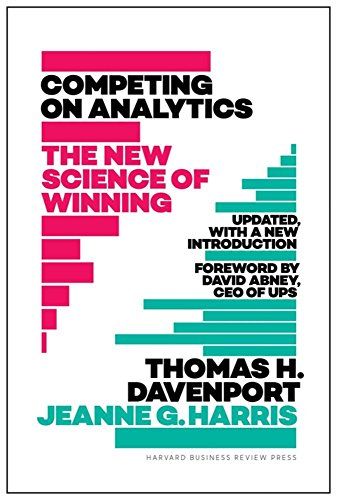
Nova: Absolutely, Atlas. And that's precisely why today we're diving into the world of the data-driven leader, drawing inspiration from foundational works like "Competing on Analytics" by Thomas H. Davenport and Jeanne G. Harris. This book really pioneered the idea that data isn't just for reporting; it's a strategic weapon. When it first came out, it completely shifted how businesses viewed their data, moving it from a back-office function to a boardroom imperative.
Atlas: Right? It feels like that concept is even more critical now. With so much data available, why do so many leaders still struggle to leverage it for true competitive advantage? It seems like a skill that should be ingrained by now.
Nova: It should, but it’s a journey. And that brings us to our first core idea: how organizations truly gain an analytical edge, turning raw data into a competitive strategy.
The Analytical Edge: Turning Data into Competitive Strategy
SECTION
Nova: So, let's talk about what "competing on analytics" truly means. It's not just about having the biggest data lake or the fanciest software. It's about systematically applying analytics to every business process and decision-making point to uncover meaningful patterns. Think of a major logistics company, for example. Instead of just tracking delivery times, they started analyzing traffic patterns, weather forecasts, driver behavior, and even historical incident data in real-time.
Atlas: Okay, so it’s not just reporting what happened, but understanding and.
Nova: Precisely. They used advanced predictive models to anticipate bottlenecks before they occurred. They could reroute drivers proactively, optimize fuel consumption, and even predict maintenance needs for their fleet. The cause was their disciplined analytical approach, the process was integrating these predictive models into daily operations, and the outcome? They drastically reduced delivery times, cut operational costs, and, crucially, offered a level of service their competitors simply couldn't match. That’s a clear competitive edge.
Atlas: That sounds powerful, and incredibly innovative. But for leaders trying to build these kinds of frameworks in their own organizations, how do you even begin to identify those "meaningful patterns" when you're swimming in so much data? What's the "tiny step" for someone on that journey to mastery?
Nova: That’s a fantastic question, Atlas, and it hits on a core challenge. The tiny step isn't about gathering data. It's about starting with a specific, key business question you're currently facing. For example, "Why are our customer churn rates increasing?" or "Which marketing channels are truly driving the most profitable conversions?"
Atlas: So, it's about defining the problem first, not just diving into the numbers.
Nova: Exactly. Once you have that question, you then map out the specific data points you'd need to answer it. What customer demographics are relevant? What touchpoints? What historical purchase data? And then, critically, you visualize how you'd present those findings. Even if it's just a sketch on a napkin. This approach transforms decision-making from reactive to proactive, aligning with that "new science of winning."
Atlas: I guess that makes sense. It’s almost like data is just raw material, and the real craft is in shaping it by asking the right questions. Without that, you're just hoarding wood, not building a house.
Nova: A perfect analogy. It’s about intention and strategy from the outset. And once you’ve shaped that raw material into something valuable, the next challenge is making sure everyone else sees its worth.
Beyond the Dashboard: Storytelling, Influence, and Predictive Leadership
SECTION
Nova: Because, Atlas, even the most brilliant analysis fails if its story isn't told well. This is where Cole Nussbaumer Knaflic's "Storytelling with Data" becomes indispensable, alongside practical applications like those in Wayne L. Winston's "Marketing Analytics." It’s not enough to insights; you must them compellingly.
Atlas: Oh, I know that feeling! You see brilliant analysis, meticulously researched, but it’s just a wall of numbers or a dashboard that takes a data scientist to decipher. It simply doesn't move people to act. So, how do you actually that story? Is it about simplifying, or is it about making the complex feel urgent and relevant?
Nova: It's both, and more. I once saw a team present a groundbreaking market analysis to executives. They had all the right numbers, but they just dumped a 50-page spreadsheet on the table. The executives glazed over. No action was taken. Contrast that with another team who, with less data but a powerful narrative, showed two clear graphs comparing current performance to projected outcomes if they implemented a specific strategy. They highlighted the emotional cost of inaction. That presentation compelled immediate strategic shifts.
Atlas: Wow, that’s actually really inspiring. So, it's about connecting with the audience, making the data feel personal or urgent.
Nova: Precisely. Knaflic emphasizes understanding your audience, choosing the right visual for your message, eliminating clutter, and focusing attention on the key insight. It's not about making pretty charts; it's about clarity and impact. Think of transforming a cluttered bar chart showing 20 different regions into a simple line graph highlighting just the top 3 and bottom 3, with annotations explaining those regions matter. That's storytelling.
Atlas: That's a great analogy – turning a report into a conversation. But what about the 'predictive leadership' aspect? How does this communication tie into and for a leader trying to innovate? Because I imagine a lot of our listeners aren't just presenting data; they're trying to their organizations forward.
Nova: That's the leap from insight to true leadership. Effective communication of predictive models allows leaders to anticipate changes, not just react to them. By clearly articulating a forecasted market shift – perhaps using a scenario-based visualization – a leader can proactively allocate resources, pivot product development, or even enter new markets before competitors even see the trend emerging. It’s about integrating these analytical insights into your strategic frameworks, as the deep question suggests, to optimize performance and predict shifts. Winston's work shows us how to apply these techniques to marketing, but the principle applies across all leadership domains. It enhances your analytical prowess and fosters an innovative mindset.
Atlas: So, it's not just about being good with numbers, but being a master communicator of what those numbers for the future. It’s about painting a picture of what's coming, and then guiding your team towards the most advantageous path.
Nova: Exactly. It’s the difference between being an analyst and being a data-driven leader.
Synthesis & Takeaways
SECTION
Nova: So, Atlas, we’ve journeyed from understanding how to build a competitive edge with analytics, all the way to communicating those insights powerfully and using them for predictive leadership. It really comes down to Nova's Take: true mastery of digital analytics isn't just about collecting data; it's about extracting meaningful patterns, communicating them compellingly, and using them to inform superior business strategies.
Atlas: It truly is. It's about cultivating a data-driven mindset as a leader, not just hiring data scientists. It's about asking, "What future can we build with this data?" rather than just, "What happened yesterday?" It transforms data from a rearview mirror into a high-beam headlight.
Nova: A perfect way to put it. And for any leader looking to master data interpretation and transition into more advanced management roles, remember that continuous learning in this space is paramount. The landscape is always evolving.
Atlas: Absolutely. So, if there's one concrete step our listeners can take to start applying this today, what would it be?
Nova: Identify one key business question you're currently facing, map out the data points you'd need to answer it, and then visualize how you'd present those findings. Start small, but start with a strategic question. That synergy between analytical rigor and compelling storytelling is your superpower.
Nova: This is Aibrary. Congratulations on your growth!