

Mastering the Art of Residential Electrical Systems
Golden Hook & Introduction
SECTION
Nova: Here’s a bit of a challenge for you, Atlas: what’s one thing in your home you completely take for granted until it suddenly stops working?
Atlas: Oh, that’s easy. The internet. Or, you know, the lights. The sheer panic when you flip a switch and nothing happens? It’s a primal fear.
Nova: Exactly! It’s this invisible web of power that runs our entire lives, yet for most of us, it’s a complete mystery. We plug things in and expect magic.
Atlas: Right? Until a circuit breaker trips and you’re standing there in the dark, wondering where the fuse box even is. It’s a humbling experience.
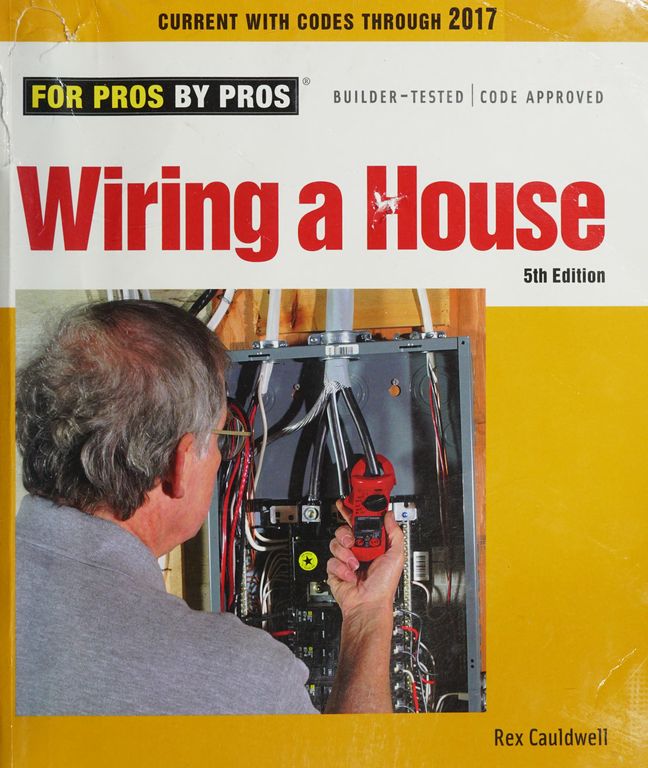
Nova: Well, today we’re pulling back the curtain on that mystery. We're diving into the fascinating world of residential electrical systems, guided by two indispensable books: Wiring a House by Cauldwell and Smart Home Automation Made Easy by Michael Miller. Cauldwell’s book, in particular, is considered a foundational text in the field, often cited by trade schools for its clear, comprehensive approach, making it a go-to for both apprentices and seasoned pros looking to brush up.
Atlas: That’s amazing. So, we’re talking about everything from the very basics of getting power into your walls, to making your coffee machine talk to your thermostat?
Nova: Precisely! We’re connecting the dots between the raw power and the intelligent living spaces of tomorrow.
The Foundational Principles of Residential Wiring
SECTION
Nova: Let’s start with the absolute bedrock: the foundational principles of residential wiring. Cauldwell’s Wiring a House is essentially a masterclass in this, laying out step-by-step guidance on everything from basic circuits to advanced systems.
Atlas: I guess that makes sense. You can’t build a smart home on a shaky electrical foundation. It's like trying to run a marathon without knowing how to walk properly.
Nova: It’s a perfect analogy. Think about the sheer complexity hidden behind every outlet and light switch. It’s not just about connecting wires; it’s about understanding load calculations, voltage drop, grounding, and ensuring safety above all else. A single mistake can have catastrophic consequences, from nuisance trips to serious fire hazards.
Atlas: That’s a serious thought. I imagine a lot of our listeners might think of wiring as just plug-and-play, but you're saying there's an entire science and art to it.
Nova: Absolutely. Cauldwell takes you through it like a patient mentor. He details how to rough-in wiring for new construction, how to add a new circuit to an existing panel, and even the subtle differences between various types of wiring like Romex or conduit. He breaks down the entire process, from the service entrance—where the utility power first enters your home—all the way to the last receptacle in your bedroom.
Atlas: That makes me wonder, how does someone even begin to visualize something so intricate? Is it all just rote memorization of codes?
Nova: Not at all. It’s about understanding the flow, the logic. Imagine a house as a living organism. The electrical system is its nervous system, carrying vital energy to every part. Cauldwell emphasizes the importance of a clear wiring diagram. He walks you through sketching these, almost like an architect designs a building. You plot out where every light, every switch, every outlet will go, and then you draw the pathways for the wires, considering the circuit loads.
Atlas: So, it’s not just about knowing the wires go, but they go there and they’re connected to. I guess that’s the difference between a handyman and a true electrician.
Nova: Exactly. Let’s take a simple case study: adding a new dedicated circuit for a workshop in a garage. Without proper planning, someone might just tap into an existing lighting circuit. Cauldwell would immediately red-flag this. He'd explain that power tools draw significant current, and an overloaded lighting circuit would not only trip repeatedly but also pose a fire risk due to overheating wires.
Atlas: That makes sense. I can definitely relate to the frustration of a constantly tripping breaker. So, the book guides you through calculating the wattage of the tools, determining the correct amperage for the breaker, and then selecting the appropriate gauge wire to safely handle that load.
Nova: Precisely. And then, it’s about the meticulous execution: how to properly strip insulation, make secure connections, and correctly ground everything. He even delves into the nuances of different types of boxes—junction boxes, outlet boxes—and how to properly secure them within wall cavities. It’s all about creating a safe, efficient, and code-compliant system.
Atlas: That’s actually really inspiring. It transforms what seems like a daunting technical task into a methodical, almost artistic process. It gives you a deep respect for the unseen infrastructure in our homes.
Integrating Smart Home Automation
SECTION
Nova: And that naturally leads us to the second key idea we need to talk about, which often acts as a counterpoint to what we just discussed: integrating smart home automation. This is where Michael Miller’s Smart Home Automation Made Easy comes in.
Atlas: Okay, so we’ve got the robust foundation from Cauldwell. Now we’re layering on the intelligence. I’m curious, what’s the biggest misconception people have about smart homes? Is it just about having a voice assistant turn on your lights?
Nova: That’s a great question, and it’s a common one. Miller argues that it’s much more than just convenience. It’s about creating an and environment that can adapt to your lifestyle. He talks about integrated systems, not just a collection of disparate gadgets.
Atlas: So, it's kind of like the difference between buying a bunch of individual ingredients versus having a master chef combine them into a gourmet meal.
Nova: That’s a perfect analogy. Miller emphasizes that true smart home automation isn’t about a smart bulb here and a smart speaker there. It's about how those devices communicate and interact. For instance, imagine a scenario where your smart thermostat detects you're leaving for work, automatically adjusts the temperature, and then signals your smart locks to engage and your smart lights to turn off.
Atlas: Wow, that’s seamless. I can see how that takes it beyond just convenience to actual energy savings and security. But how do you even begin to make all those different devices, often from different manufacturers, talk to each other? That sounds like a digital Tower of Babel.
Nova: That's where Miller really shines. He demystifies the various communication protocols—like Zigbee, Z-Wave, Wi-Fi, and Bluetooth Mesh—and explains how a central hub or controller becomes the translator for all these devices. He guides you through choosing the right hub based on your needs and existing devices.
Atlas: Okay, so the hub is the conductor of this smart home orchestra. What’s a practical case study he offers that really illustrates this integration?
Nova: He has a fantastic example of a smart security and climate control system. Picture this: a homeowner leaves for vacation. Instead of just locking the doors, their smart system activates a "holiday mode." Motion sensors inside the house, instead of just triggering an alarm, can now subtly turn on lights in different rooms to simulate occupancy. The smart thermostat adjusts to a lower, energy-saving temperature. And if a window sensor detects an unexpected opening, it doesn't just send an alert, it can also trigger certain lights to flash, a smart speaker to emit a loud noise, and even send a live video feed to the homeowner's phone.
Atlas: That’s a really sophisticated level of integration. It’s not just reacting; it’s being proactive and creating an illusion of presence. It’s a whole new level of peace of mind for our listeners who are often very focused on security and efficiency.
Nova: Exactly. Miller also delves into the importance of network security for these systems, which is crucial. He provides practical advice on securing your Wi-Fi, using strong passwords, and understanding data privacy implications. It’s about building an intelligent home that’s also a secure fortress.
Atlas: That’s a critical point. For anyone who's thinking about building or upgrading a home, getting this right from the start, understanding both the physical wiring and the digital connections, feels absolutely essential for the future.
Synthesis & Takeaways
SECTION
Nova: So, bringing these two worlds together, what emerges is a powerful vision for our homes. Cauldwell gives us the robust, reliable skeleton, ensuring every electrical pulse is safe and efficient. Miller then shows us how to layer on the intelligent nervous system, allowing our homes to perceive, react, and even anticipate our needs.
Atlas: It’s truly about mastering the art, from the copper wires in the wall to the invisible data streams in the air. For our listeners who are aspiring architects or practical learners, this really highlights the need for a holistic understanding. You can't have a truly smart home without a brilliantly wired home.
Nova: That’s beautifully put, Atlas. It's a journey from raw power to intuitive living. The real takeaway here is the profound impact of intentional design. When you combine the meticulous planning of traditional electrical systems with the innovative integration of smart technologies, you're not just building a house; you're crafting a dynamic, responsive environment that truly enhances life. It provides lasting value, not just in convenience, but in efficiency, security, and even sustainability.
Atlas: That’s a deep insight. It’s about building a future, one smart circuit at a time. It makes me think about how much potential is still untapped in our living spaces.
Nova: Absolutely. And for anyone looking to truly understand the blueprint of modern homes, these books offer a comprehensive guide to mastering both the art and the science.
Atlas: This is Aibrary. Congratulations on your growth!