

Unlock Your Inner Resilience: The Power of Self-Compassion
Golden Hook & Introduction
SECTION
Nova: Atlas, quick game. I'm going to throw out some words, you tell me the first thing that comes to mind when you think about "being hard on yourself." Ready?
Atlas: Oh, I like that. Hit me. Let's see what my subconscious is hiding.
Nova: Okay, first word: "Mistake."
Atlas: Ugh, "Failure." Instantly. My brain goes straight to the worst-case scenario.
Nova: "Criticism."
Atlas: "Shame." Heavy, right? Like a lead blanket.
Nova: "Imperfection."
Atlas: "Not enough." The classic. That little voice that says you'll never measure up.
Nova: Exactly! That little voice, that feeling of "not enough," that's what we're tackling today on Aibrary. We're diving into how to truly unlock your inner resilience, not by fighting that voice, but by transforming it.
Atlas: Oh, I know that feeling all too well. It's like we've been programmed to believe that the harder we are on ourselves, the more we'll achieve. But it often just leaves us feeling… drained.
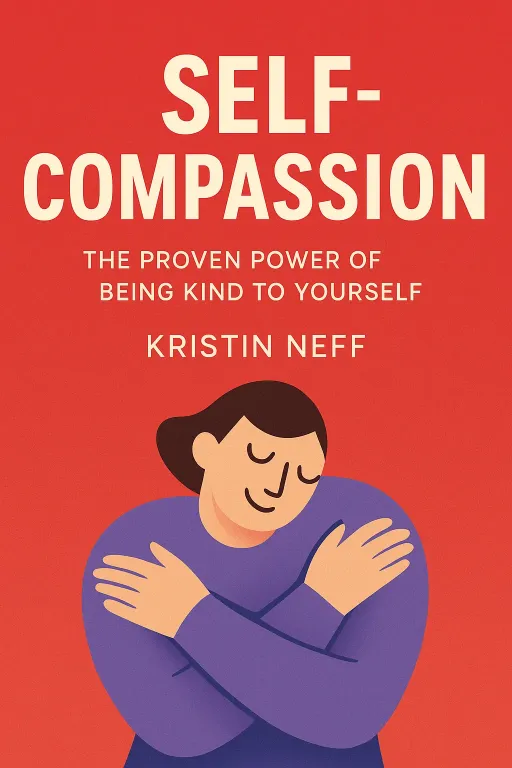
Nova: Absolutely. And that's precisely what we're exploring through two incredible books today. First up, we're looking at "Self-Compassion" by the brilliant Kristin Neff. Neff, a research psychologist, actually began her deep dive into self-compassion after realizing her own intense self-criticism wasn't serving her, despite her academic achievements. Her work is a powerful blend of rigorous scientific research and very personal insight.
Atlas: That’s a great way to put it. It shows it's not just theory, but something she's lived.
Nova: Exactly. And we'll also be drawing insights from "Radical Acceptance" by Tara Brach. Tara is a renowned meditation teacher and clinical psychologist, so her approach beautifully integrates Western psychological understanding with profound Eastern spiritual practices. She brings a holistic, openhearted wisdom to navigating our inner world.
Atlas: I love that blend. It sounds like she really gets to the root of things.
Nova: She does. So, today we'll dive deep into this from two perspectives. First, we'll explore how treating ourselves with kindness is a superpower, not a weakness. Then, we'll discuss the profound impact of radically accepting all parts of ourselves, even the messy bits, for genuine inner peace.
Atlas: That sounds like a journey we all need to take. I'm curious, for someone who's always pushed themselves with a critical inner dialogue, where do we even begin to untangle that?
The Shift from Self-Criticism to Self-Compassion
SECTION
Nova: That’s the perfect question, Atlas, because many of us genuinely believe that being tough on ourselves is the only way to stay motivated. We think self-criticism is our inner drill sergeant, keeping us in line. But Kristin Neff's research turns that idea on its head.
Atlas: But wait, isn't being self-compassionate just… letting yourself off the hook? Like, if I mess up at work, and I'm just kind to myself, won't I just keep messing up? It feels counterintuitive.
Nova: It absolutely feels counterintuitive, and that's the core misconception Neff addresses. She argues that self-compassion isn't self-pity or self-indulgence. It's treating yourself with the same kindness, understanding, and desire for well-being that you would offer to a dear friend facing a similar struggle.
Atlas: Oh, I like that. So it's not about ignoring the mistake, it's about how you to the mistake.
Nova: Precisely. Imagine Sarah, a project manager, who just missed a critical deadline. Her initial reaction is a torrent of self-criticism: "I'm such an idiot. I always mess things up. I'm going to get fired." This internal barrage doesn't help her fix the problem; it paralyzes her with anxiety and shame. She might even start procrastinating on other tasks because she's so overwhelmed by her perceived inadequacy.
Atlas: I can definitely relate to that spiral. It's like the self-criticism creates more problems than it solves.
Nova: Exactly. Now, if Sarah were practicing self-compassion, instead of that harsh judgment, her inner voice might say: "This is a really tough situation. Missing that deadline is painful, and everyone makes mistakes. What do I need right now to understand what went wrong and move forward?"
Atlas: That’s a completely different energy. It’s moving from attack to inquiry.
Nova: Right. It allows her to acknowledge the pain of the situation without adding layers of self-blame. It helps her regulate her emotions, which in turn frees up cognitive resources to actually problem-solve. She can then objectively analyze why the deadline was missed, learn from it, and strategize for the future, rather than just drowning in shame.
Atlas: So you're saying that self-compassion actually you more effectively, because it removes the fear of failure that often shuts us down?
Nova: That's a great way to put it, Atlas. Self-compassion fosters what Neff calls "wise attention." It allows you to see your shortcomings clearly, not through the distorting lens of self-criticism, and then address them with kindness and a genuine desire to grow. It’s a sustainable form of motivation rooted in care, not fear.
Atlas: That makes sense. It’s like if you have a friend who's always beating themselves up, you don't help them by joining in. You help them by offering support and helping them find solutions. We should do that for ourselves.
Embracing Imperfection: The Practice of Radical Acceptance
SECTION
Nova: And that idea of kindness to ourselves naturally leads us to something even deeper, something Tara Brach calls "Radical Acceptance." While Neff focuses on how we, Brach expands this to how we, especially the uncomfortable parts.
Atlas: Okay, so "radical acceptance." That sounds a bit… passive. How can accepting pain or imperfection make things better? Isn’t that just giving up on trying to change things?
Nova: It’s a common and very understandable question, Atlas. But "radical acceptance" is anything but passive. Tara Brach teaches that it’s about embracing our present moment reality, including our pain, our imperfections, our fears, with openhearted awareness. It means dropping the struggle against what.
Atlas: So it's not about liking the pain, but about not fighting the fact that it's there?
Nova: Exactly. Let's consider someone, let's call her Maria, who struggles with chronic anxiety. Every time she feels that familiar knot in her stomach, her mind immediately goes to, "Oh no, not again. I can't handle this. I need to get rid of this feeling." This resistance, this internal battle against her anxiety, actually amplifies her suffering. It adds a layer of distress on top of the original anxiety.
Atlas: Wow, that’s actually really insightful. It’s like the fighting itself becomes a source of pain.
Nova: Precisely. Brach would guide Maria towards radical acceptance. Instead of fighting the anxiety, Maria would be invited to acknowledge it: "Ah, here's that anxious feeling again. I notice the tightness in my chest, the racing thoughts." She would then breathe into it, offering it a space, rather than pushing it away.
Atlas: But how does that? How does simply noticing it make it better?
Nova: The magic lies in the cessation of struggle. When Maria stops fighting the anxiety, she creates a space for it to simply. Paradoxically, this often reduces its intensity because she's no longer fueling it with resistance and self-judgment. She might even notice that the anxiety, like all emotions, is impermanent. It shifts, it changes. This openhearted awareness allows her to connect with a deeper, more peaceful part of herself that exists beneath the anxious thoughts. It's a profound shift from being by the feeling to simply it with kindness.
Atlas: That’s powerful. So it’s not about resignation, but rather an active, compassionate presence with whatever is happening. It’s moving from "I hate this feeling" to "This feeling is here, and I can be with it."
Nova: You've got it. It’s about recognizing that our pain and imperfections are part of the human experience. When we stop judging ourselves for having them, we create the possibility for genuine healing and a more authentic connection to who we are, flaws and all. It frees up enormous emotional energy that was previously spent on fighting ourselves.
Synthesis & Takeaways
SECTION
Nova: So, bringing these two powerful ideas together – Neff's self-compassion and Brach's radical acceptance – we see a clear path to true inner resilience. It's not about being invincible or perfect. It's about transforming our relationship with our own humanity, especially when things go wrong or when we face difficult emotions.
Atlas: Yeah, it’s not about silencing the inner critic, but about changing its job description. Instead of a judge, it becomes a compassionate guide.
Nova: Exactly. We shift from a place of self-judgment and resistance to one of kindness and openhearted presence. It's a profound reorientation, recognizing that our vulnerabilities and struggles are not weaknesses to be overcome, but opportunities for deeper connection, both with ourselves and with others.
Atlas: That's actually really inspiring. It feels like a much more sustainable and gentle way to build strength, rather than constantly battling yourself. For our listeners who are navigating their own inner critics and difficult feelings, I'd challenge you to take a moment today. Notice a difficult feeling – whether it's frustration, inadequacy, or anxiety. Instead of judging it, just for a moment, offer yourself a kind thought, as if you were comforting a dear friend. See what shifts.
Nova: What a perfect way to put it, Atlas. Because true strength isn't about never falling, but about how kindly we pick ourselves up.
Atlas: This is Aibrary. Congratulations on your growth!









