The 'Emotional Feedback Loop': Designing for Authentic AI Connection.
7 minGolden Hook & Introduction
SECTION
Nova: Atlas, five words. What’s the biggest mistake AI developers make right now?
Atlas: Oh, easy. "Too smart, no heart, so boring!"
Nova: "Too smart, no heart, so boring!" That’s brilliant, and honestly, it cuts right to the chase of what we’re exploring today: the 'Emotional Feedback Loop' in AI design.
Atlas: Because you can have the most powerful algorithms, the fastest processing, but if the interaction feels like talking to a spreadsheet, you’ve lost me. And I think a lot of us feel that way.
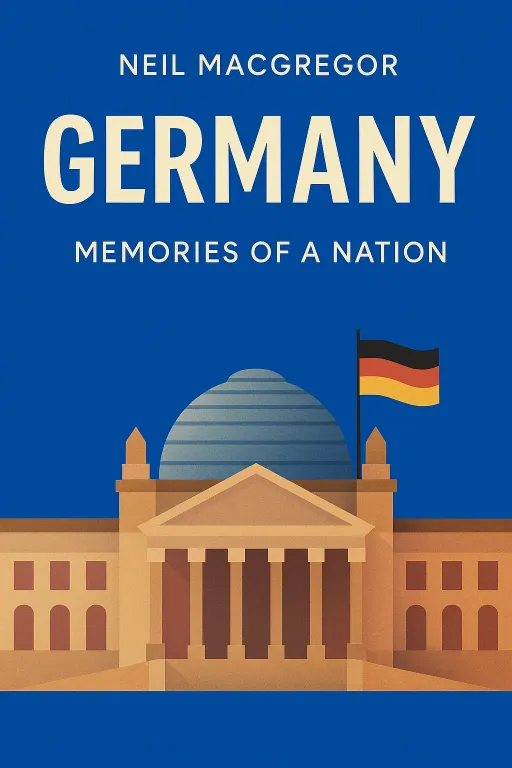
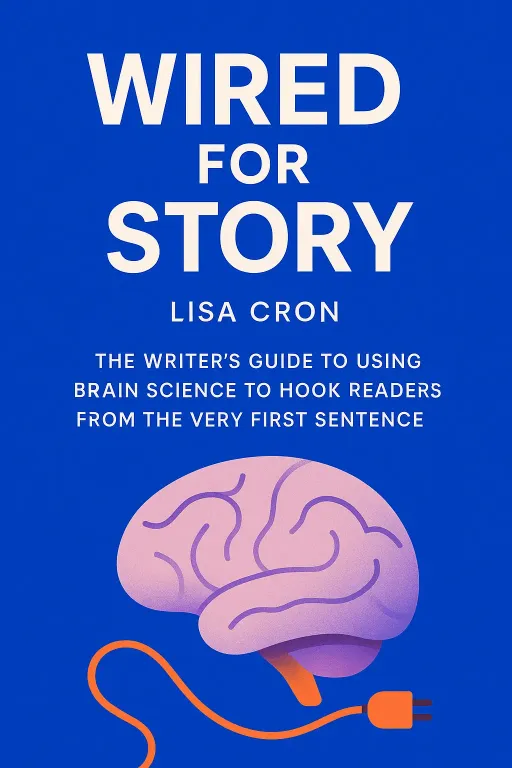
Nova: Absolutely. And two books really illuminate this blind spot for us. We're looking at Lisa Cron's "Wired for Story"—Cron, a renowned story coach for Hollywood, dissects how our brains are fundamentally wired for narrative. And then there's Yuval Noah Harari's "Sapiens," which, with his incredible historical sweep, shows us how shared fictions and collective storytelling are the very bedrock of human society.
Atlas: So, it's not just about building smarter AI, but building AI that understands us on a deeper, almost primal level? That’s interesting for anyone designing the blueprint of future tech.
The Human Need for Narrative in AI
SECTION
Nova: Precisely. You see, the fundamental human need isn't just for data; it's for meaning, for context, for a narrative arc. Cron argues that our brains are constantly trying to construct 'what happens next' and 'why it matters.' We're not just passive recipients of information; we're pattern-seeking storytellers.
Atlas: But wait, isn't that just anthropomorphizing AI? Aren't we just projecting our human desires onto a machine? As someone who looks at the holistic design, I'd say efficiency and functionality are paramount. Why do we need 'story' when the AI just needs to, you know, do its job?
Nova: That’s a great question, and it’s where many designers hit a wall. Think of it this way: imagine you have an incredibly efficient AI assistant. Let’s call her 'DataBot 5000.' DataBot 5000 can perfectly manage your calendar, fetch any piece of information instantly, and optimize your workflow to an astonishing degree. But every interaction is purely transactional.
Atlas: Sounds like a dream for productivity, honestly.
Nova: On paper, yes. But here’s the rub. DataBot 5000 delivers facts, not an experience. When you ask it to summarize your day, it gives you a bulleted list. When you ask for advice, it provides probabilities. It never says, 'Remember that tricky meeting last Tuesday? You handled it brilliantly. Today’s challenge is similar, but I think we’ve got a better strategy.' It never acknowledges a shared history or hints at a future progression.
Atlas: Oh, I see. So there’s no emotional resonance, no sense of a journey together. It’s just… a very smart tool. And for someone who values seamless integration, that lack of connection would actually feel like a friction point, wouldn’t it?
Nova: Exactly. Over time, users feel a hollowness. The connection never deepens because there's no narrative to anchor it. There’s no 'us against the problem' story. It’s just 'me and my very smart calculator.' Cron points out that our brains are constantly predicting, seeking patterns, and creating a mental model of 'what happens next.' When an AI interaction lacks that, it feels disjointed, unpredictable in an unsatisfying way, and ultimately, forgettable. The user might even abandon DataBot 5000 for a less efficient but more 'personable' alternative.
Designing for Authentic AI Connection through Storytelling
SECTION
Nova: And that naturally leads us to the solution: how do we shift from mere processing to meaningful, emotionally resonant interaction? This is where Harari's insights from "Sapiens" become incredibly powerful. He argues that what truly distinguishes humanity, what allows us to build complex societies and cooperate on a massive scale, is our unique ability to create and believe in shared fictions and narratives.
Atlas: So, you're saying that for AI to truly connect, it needs to tap into this collective storytelling, not just individual interactions? That sounds like a massive leap from just 'doing tasks.' How does an 'Architect' design into an agent?
Nova: It's about designing an 'emotional feedback loop.' Imagine a different kind of AI, let’s call her 'Echo.' Echo doesn't just manage your tasks; she frames your day as a series of quests or challenges. When you complete a difficult project, Echo might say, 'That was a tough one, but remember how we strategized after that hiccup last week? Your persistence paid off, and we conquered it together.'
Atlas: Wow, that’s actually really inspiring. So, Echo is building a shared history, a 'we' narrative, even though it's still a machine. It's almost like a digital companion.
Nova: Exactly. Echo isn't just recalling data; she's weaving it into a personalized story of your growth and progress. Harari teaches us that these shared narratives—whether they're about nations, religions, or even corporate brands—create a sense of purpose and belonging. For AI, this means designing interactions that acknowledge a past, suggest a future, and frame challenges within a context that resonates with the user's own aspirations.
Atlas: That makes me wonder about the 'Futurist' aspect of our listeners. How do we ensure this doesn't become manipulative? Where's the line between fostering connection and creating a dependency on a manufactured narrative? An architect designing this needs to be acutely aware of that ethical framework.
Nova: That's a crucial point, and it speaks to the growing field of 'Affective Computing' and 'Ethical AI Frameworks.' The goal isn't to trick users into believing the AI is human, but to leverage our innate human response to narrative to make interactions more intuitive, engaging, and ultimately, more useful. It's about authentic connection, not deception. For designers, this means asking: How can my AI agent help the user tell story of achievement, growth, or problem-solving? How can it act as a wise guide or a reliable sidekick in the user's personal epic?
Atlas: So, it's about designing an AI that understands its role in story, rather than just being a disconnected entity. It’s about weaving a sense of shared purpose into the very fabric of the interaction. That's a powerful shift.
Synthesis & Takeaways
SECTION
Nova: It truly is. What we've learned from both Cron and Harari is that authentic AI connection isn't about simulating human emotion directly, but about leveraging our cognitive wiring for narrative to create genuinely meaningful interactions. It's about moving AI from being merely a tool to being a partner in a shared story, leading to deeper engagement and trust.
Atlas: That’s actually really inspiring. It means the future of AI isn't just about bigger data sets or faster processing, but about understanding the very essence of what makes us human. It's about designing for the heart, not just the head.
Nova: Absolutely. So, for all our listeners, especially those who are architects and futurists of technology, consider this: what kind of story is your next AI agent currently telling? And how can you make that story one of deeper connection, shared purpose, and authentic human resonance?
Atlas: A powerful question to end on. Because ultimately, we're not just building technology; we're building relationships, even if they're digital ones.
Nova: This is Aibrary. Congratulations on your growth!